Best Water Filter System For House

Let’s be honest—water is having a moment. It’s no longer just the stuff that comes out of your tap; it’s a lifestyle accessory, a wellness trend, and for some, a full-blown ob...
Let’s be honest—water is having a moment. It’s no longer just the stuff that comes out of your tap; it’s a lifestyle accessory, a wellness trend, and for some, a full-blown obsession.
You’ve seen the influencers with their giant glass jugs, the fridge filters that beep at you, and the pricey bottled brands that promise mountain springs in every sip.
But here’s the real tea (or, well, water): the best water filter system for your house isn’t about trends—it’s about taste, health, and a little bit of domestic peace of mind.
Must Read
The Great Water Divide
We all have that one friend—let’s call them “Dave”—who swears by a specific brand of bottled water. Dave buys it by the case, stacks it in his garage, and treats it like a survival ration.
Meanwhile, the rest of us are just trying to figure out why our morning coffee tastes like a swimming pool. The culprit is often chlorine, sediment, or hard minerals left over from your city’s treatment plant.
A whole-house water filtration system is the ultimate power move. It purifies every drop that enters your home, from the showerhead to the kitchen faucet, making Dave’s garage stash totally obsolete.
What Even is a Whole-House System?
Think of it as the guardian angel for your pipes. Instead of a tiny filter on your tap (which, let’s face it, you forget to change for six months), this system sits at the main water line.
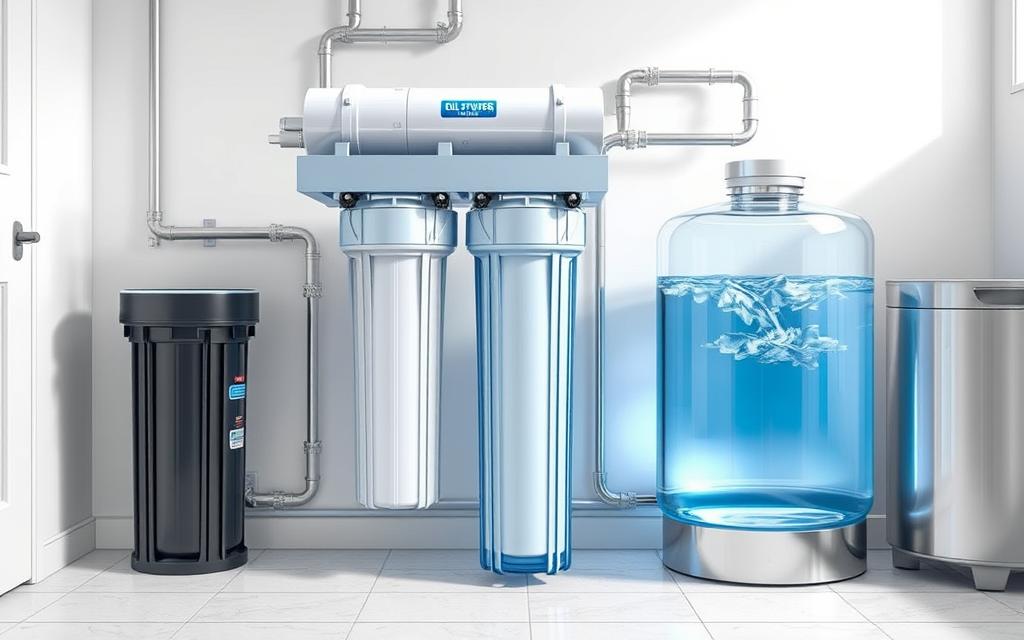 Best Whole House Reverse Osmosis Water Filter Guide
It catches everything: rust, dirt, chlorine, and even those weird microscopic particles that make you squint at your glass. The result is water that’s consistently crisp, clear, and flavorless—in the best way possible.
Fun fact: Ancient Romans used complex aqueducts and settling tanks to clarify their water. They didn’t have carbon block filters, but they understood the vibe. You’re basically upgrading to a modern Roman bath, minus the togas.
Reverse Osmosis vs. Carbon vs. Salt-Free
This is where it gets geeky, but stay with me. Reverse osmosis (RO) systems are the heavy hitters. They push water through a semi-permeable membrane, stripping away almost everything—including fluoride and lead.
It’s like sending your water through a very strict bouncer at an exclusive club. The downside? They can be a bit slow and waste a bit of water, but the purity is unmatched.
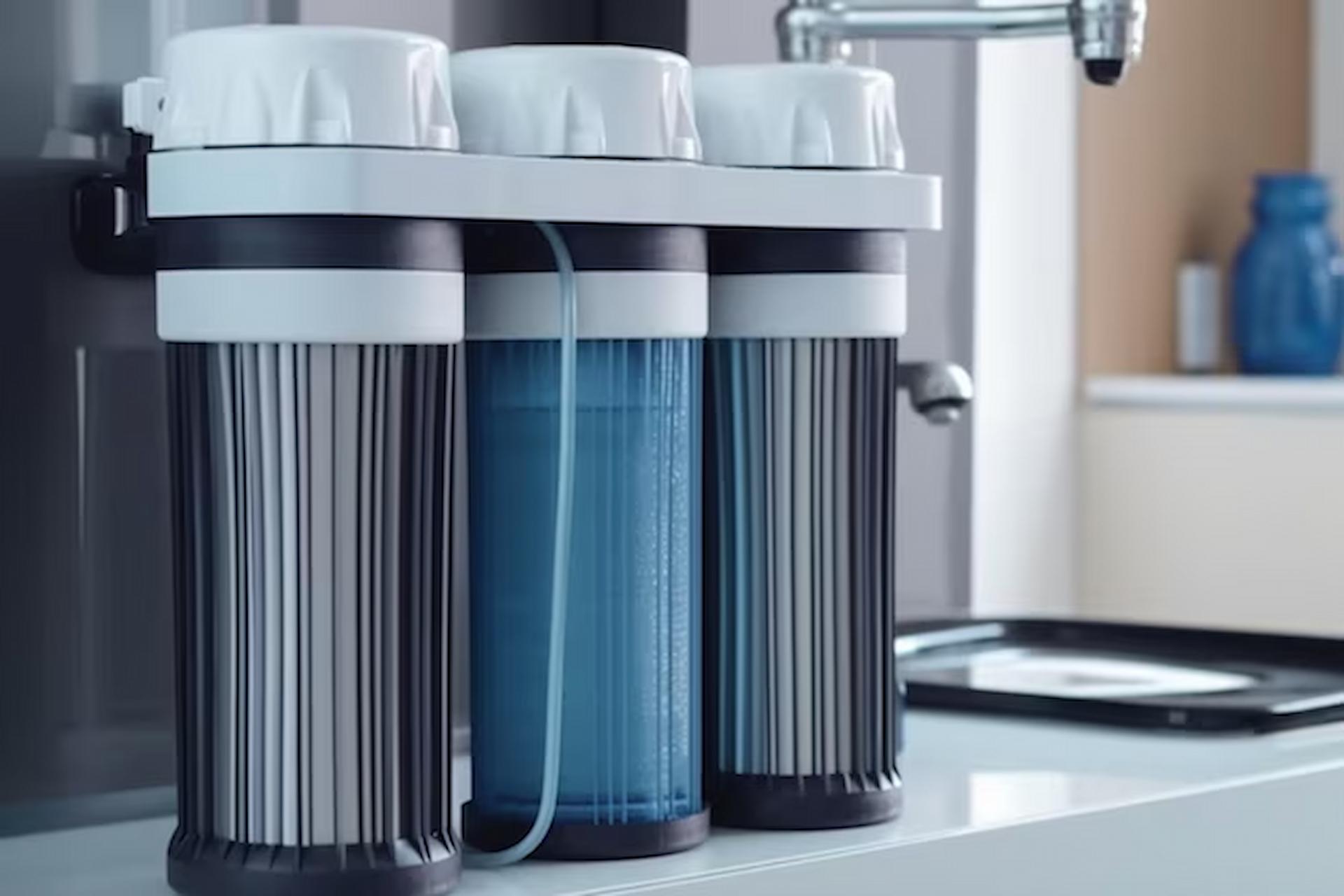 What to Look for in the Best Water Filter System for Your Home
Carbon filters are your friendly, everyday choice. They’re great at removing chlorine, bad tastes, and odors. Think of them as the comfortable pair of jeans in your water filtration wardrobe—reliable, affordable, and always in style.
Then there’s salt-free systems (often called water conditioners). They don’t actually soften water by removing calcium, but they change its structure to prevent scale buildup in your pipes. It’s like a life hack for your water heater, extending its lifespan by years.
The Shower Test
Real talk: filtered water isn’t just for drinking. Ever step out of the shower and feel like your skin is coated in invisible chalk? That’s hard water residue.
A whole-house filter means your shampoo lathers better, your hair feels silkier, and your skin stops screaming for moisturizer. It’s basically self-care that happens while you’re half-asleep at 7 AM.
Cultural reference moment: Remember that scene in Under the Tuscan Sun where Frances falls in love with a villa? The water there is famously hard. If she’d had a filter, she might have skipped the existential crisis and just enjoyed the view.
:strip_icc()/bhg-ge-gxwh20t-whole-house-water-filtration-system-lisa-noah-02-bc3eb4183925488e9e72560bfee7c81e.jpeg) The 3 Best Whole House Water Filters, Tested by BHG
The 3 Best Whole House Water Filters, Tested by BHG
Three Practical Tips for Buying
First: test your water. Don’t guess. You can buy a cheap home testing kit or check your local water utility’s annual report. Knowing your enemy (chlorine? iron? lead?) is half the battle.
Second: measure your flow rate. A system that’s too small for your three-bathroom house will become a trickle. Imagine trying to fill a bathtub through a coffee straw—that’s the energy you want to avoid.
Third: look at the filter lifespan. Some cartridges last six months, others up to a year. A system that needs monthly replacements will quickly feel like a high-maintenance pet. Aim for something that matches your calendar, not your anxiety level.
The Money Talk
Let’s address the elephant in the living room: cost. A decent whole-house system can range from $500 to $3,000 plus installation.
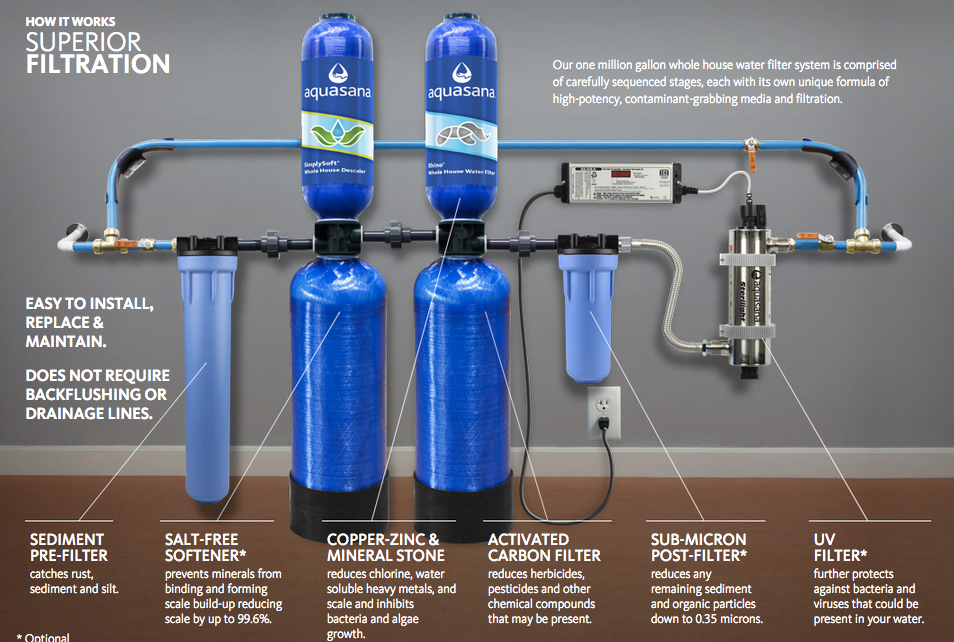
 Aquasana Whole House Water Filter System Review - PureWaterGuide
But here’s the sneaky math: stop buying bottled water for your family of four for a year. That alone can save you over $1,000. Add in fewer plumbing repairs, longer appliance life, and less spent on skin creams, and the system pays for itself faster than you’d think.
Plus, it’s a massive flex to guests. They’ll fill their glass at your sink and say, “Wow, this tastes amazing.” You just nod mysteriously, like a water sommelier.
The Final Sip
Choosing the best water filter system for your house is really about choosing a relationship with the most essential element of your day. It’s the thing you drink, bathe in, and cook with—yet we often ignore it until it tastes funny.
In a world full of complexity, clean water is a quiet luxury. It’s the simple act of turning on a tap and not thinking twice. That’s the real win—a little more ease, a little more joy, and a lot less plastic.
So go ahead, upgrade your H2O game. Your morning coffee, your Sunday bath, and your skin will all send a thank-you note. And Dave? Dave will eventually ask to use your sink. Let him. Gracefully.
