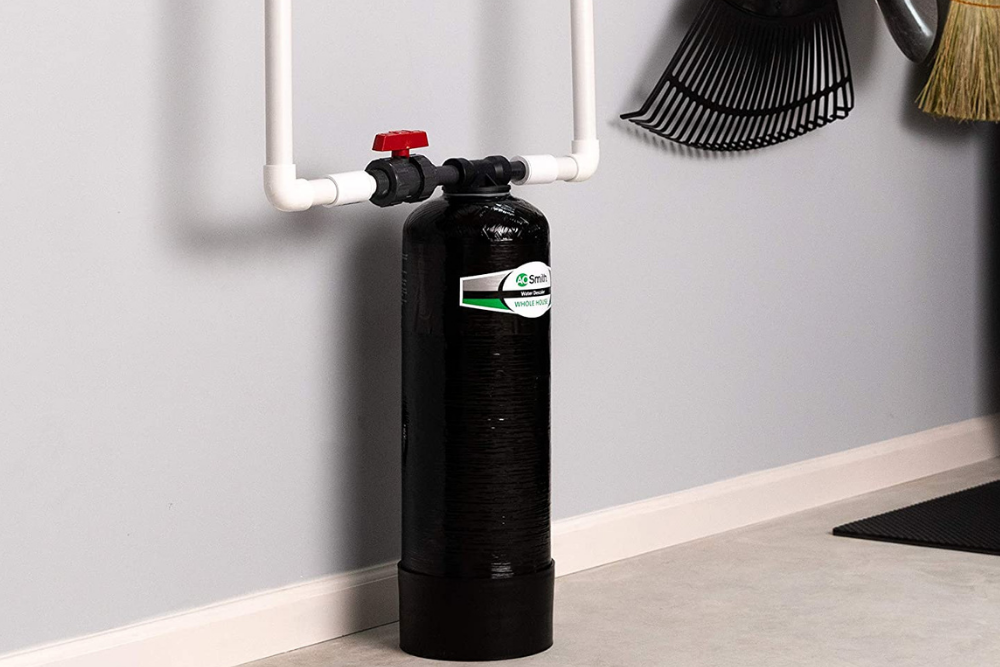
Best Saltless Water Softener System

So, your water is harder than a two-dollar steak, and you’re tired of the scale buildup that looks like a tiny, unwelcome limestone quarry in your pipes. You’ve heard the horr...

So, your water is harder than a two-dollar steak, and you’re tired of the scale buildup that looks like a tiny, unwelcome limestone quarry in your pipes. You’ve heard the horror stories about traditional salt-based softeners—the heavy bags of salt, the constant refilling, the suspiciously high electric bill, and that slimy, slippery feeling on your skin that makes you question your own hygiene. Well, pull up a chair, because I’m about to introduce you to the coolest, most misunderstood appliance since the air fryer: the saltless water softener system.
First, a shocking truth bomb: technically, saltless systems don’t actually soften water. I know, I know, the name is a dirty liar. What they actually do is condition the water, using a process called Template Assisted Crystallization (TAC) or electromagnetic wizardry to transform the calcium and magnesium into harmless, microscopic crystals that can’t stick to your pipes. Think of it like this: you’re not removing the hard-water bullies; you’re just giving them tiny, non-stick jackets so they slide right through your plumbing without causing trouble. It’s less a hair-pulling wrestling match and more a polite escort to the drain.
Why Your Grandparents’ Salt Tank is So Last Century
Look, I love tradition as much as the next person, especially when tradition involves pie. But traditional salt-based softeners are like that relative who still uses a fax machine—they work, but they’re clunky, high-maintenance, and wasteful. You have to haul huge bags of salt home (goodbye, car trunk dignity), and you’re constantly dumping brine into the sewer system, which isn’t exactly eco-friendly. Meanwhile, a saltless system just sits there, plugged in, with zero drama and zero salt-buying journeys. My personal favorite part? No slimy feeling. Your skin will feel normal, like it should, because you’re not stripping away the natural minerals your skin loves.
Must Read
And here’s a punchline that will make your wallet chuckle: many municipalities actually ban salt-based softeners because the brine discharge violates environmental regulations. That’s right—your water-softening salt could be breaking the law. A saltless system is like a legal, eco-friendly ninja that sneaks through the regulations, leaving no trace but a trail of scale-free plumbing. If you’re on a septic tank, saltless is also a lifesaver. Traditional softeners can wreck your tank’s bacterial ecosystem, whereas a saltless system is like a gentle spa day for all those hard-working microbes.
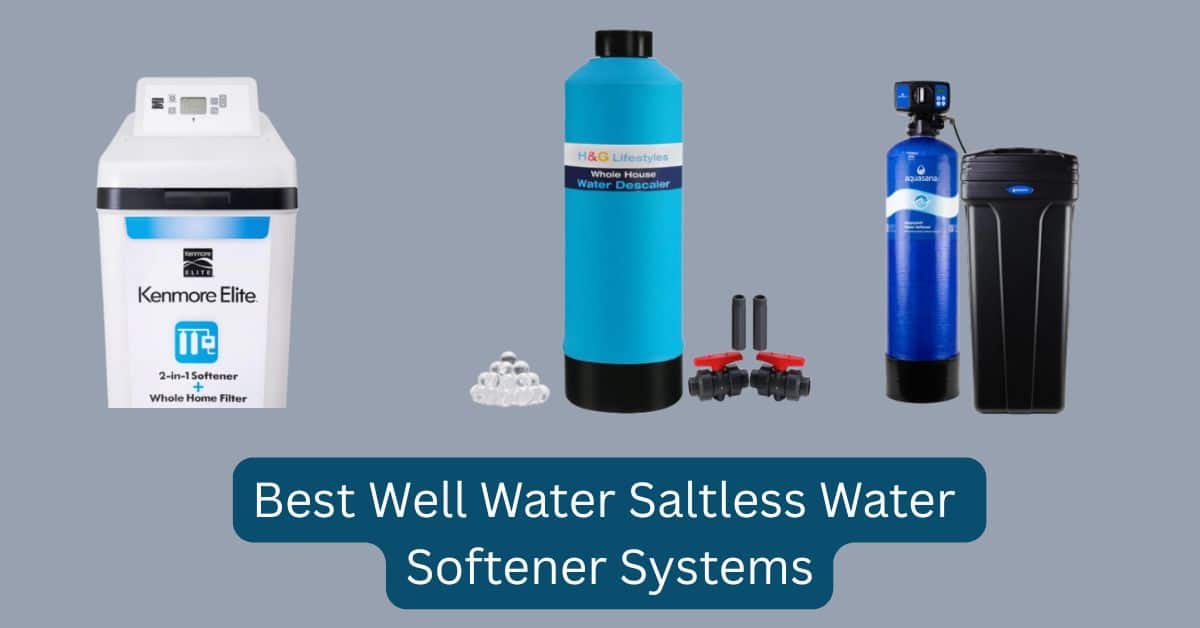 Best Well Water Saltless Water Softener – Soft Water Solution | Island
The Surprising Fact That Sounds Like a Bad Magic Trick
Here’s the part that will make you the most interesting person at a dinner party: saltless systems actually improve the taste of your water. I’m not kidding. Because they don’t add sodium (salt-based softeners swap calcium for sodium, meaning you’re drinking what’s essentially a very weak soup), your water keeps its natural mineral profile but loses the chalky, metallic edge. You’ll taste the difference in your coffee, your tea, and even your ice cubes. One user told me their morning coffee went from “mild regret” to “this is why I wake up.” Plus, if you’re on a low-sodium diet, skipping the salt softener is a no-brainer. A glass of softened water can add 20-30 mg of sodium per cup—that’s like drinking a tiny, insidious pickle juice.
But wait, there’s a catch, because there’s always a catch. Saltless systems are not magical cure-alls for extreme water hardness. If your water’s hardness is above 20 or 25 grains per gallon (that’s “crunchy” territory, like a gravel road in your glass), a saltless system might struggle to keep up. In those cases, you might need the salt-based heavy artillery. However, for the vast majority of homes with moderately hard water (which is like most of us, living on a planet made of rocks), a saltless system will slash buildup by 80-90%. That’s a lot of saved scrubbing on your showerhead, which currently looks like it’s wearing a crusty white sweater from the 1980s.
 8 Best Salt-Free Water Softener Reviews: Saltless Systems 2024 – WDXO
The Verdict: Should You Buy One?
If you hate hauling salt, detest slimy skin, and want to feel like a techy hero saving the planet one water molecule at a time, then yes—get a saltless system. Brands like Whole House Water Filter Systems or Aquasana make solid models that are easy to install (you can usually do it in an afternoon, provided you’re not a total plumbing potato). They last for years, require zero chemical refills, and they’ll protect your water heater, dishwasher, and washing machine from an early, crusty grave.
Just remember: you’re not buying a water softener. You’re buying a water conditioner. But that’s a terrible marketing term, so everyone calls it saltless anyway. Don’t let the semantics fool you. In the end, your pipes are clear, your skin is happy, your coffee tastes divine, and you’ll never again have to argue with a bag of salt in the back of your car. Go forth, and let your water flow free as a feather in a non-stick breeze.