Best Sediment Filters For Well Water

So, you’ve got a well. Awesome, right? No water bills, and that “fresh from the earth” taste. But then you turn on the tap, and it looks like you’re pouring a glass of gravel...

So, you’ve got a well. Awesome, right? No water bills, and that “fresh from the earth” taste. But then you turn on the tap, and it looks like you’re pouring a glass of gravel dust. Suddenly, you’re not feeling so rural-chic anymore.
You need a sediment filter. And not just any filter—you need the best one for your well’s particular brand of crud. Because let’s be honest, well water is a wild card. It’s like Mother Nature’s unopened grab bag, and sometimes you get sand, sometimes you get rust flakes.
The Villains in Your Water: Sand, Silt, and Rust
Think of sediment as the unwanted party guests in your plumbing. They’re not dangerous, but they are annoying. They’ll clog your faucets, wreck your washing machine, and make your water heater sound like it’s gargling rocks.
Must Read
That’s why a sediment filter is your first line of defense. It’s the bouncer at the club, making sure only the clean stuff gets through. And you get to choose your bouncer based on how rowdy your water is.
1. The Spin-Down Filter: The Low-Maintenance Hero
If your water has big chunks—think sand, gravel, or actual small pebbles (yes, it happens)—you need a spin-down filter. It’s a clear plastic chamber that uses centrifugal force to fling the heavy stuff to the bottom. Then you open a little valve, and whoosh! The sludge drains out without you even touching the filter cartridge.
It’s delightfully lazy-friendly. No replacing filters every month. Just a quick spin and you’re done. Honestly, it’s almost satisfying to watch that brown mess flow away. Almost.
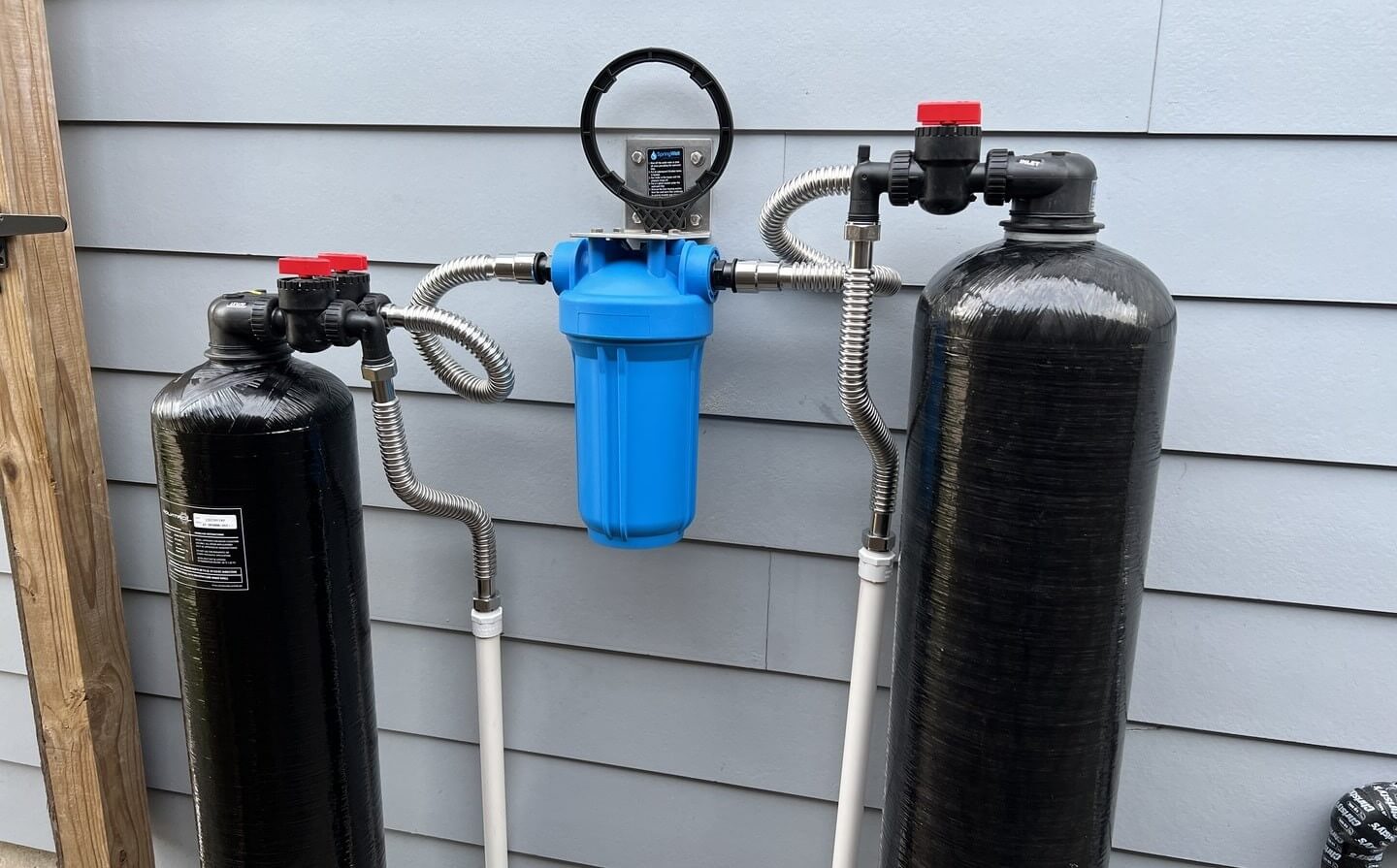 9 Best Sediment Filters for Well Water — Reviewed And Ranked
2. The Pleated Cartridge Filter: The All-Around Workhorse
This is the classic paper filter that looks like a giant accordion. It’s perfect for fine particles—silt, clay, or that mysterious orange slime we call “well water gunk.” You can get them in different micron sizes, which is just a fancy way of saying “how tiny of a speck do you want to catch?”
For general well water, go with a 30-micron filter. That’s the sweet spot. Too fine (like 5 microns), and it clogs in a week. Too coarse (like 100 microns), and it’s basically a fishnet. You’ll be changing it every time you sneeze.
Pro tip: Get a big blue housing. The standard little clear housings are cute, but they clog fast. A 4.5” x 20” big blue will give you months of clear water before you need to swap it out. Your future self will thank you.
 5 Best Sediment Filter for Well Water in 2026 - A Garden Diary
3. The Polypropylene (PP) String Wound Filter: The Deep-Diver
These look like a giant spool of white yarn. They’re weirdly satisfying to touch, too (don’t judge me). The string-wound design traps sediment all the way through the filter’s thickness, not just on the surface. So it can hold a lot more gunk before it gives up.
They’re amazing for heavy-duty work. If your water comes out looking like weak tea or has a lot of fine, dark sediment, this is your buddy. Just be warned: they can be a beast to replace if you get them too dirty. That thing gets heavy and slimy. It’s a great arm workout, though.
4. The Backwashing Sediment Filter: The High-Tech Splurge
Okay, this is for the serious well owners. I’m talking about a tank that looks like a mini water softener. It’s filled with a media (like gravel or special sand) that catches sediment. Then, once a week or so, it automatically flushes itself backwards, spitting the dirt out into a drain.
You never, ever have to buy filter cartridges again. Ever. That’s the magic word. Sure, it costs more upfront (like, a few hundred bucks), but if you have chronic sediment issues or just hate changing filters, this is your dream machine. It’s basically the Roomba of water filtration.
 We Tested the 6 Best Sediment Filters for Well Water 2026! Stop Clogged
How to Choose the Right One (Without Losing Your Mind)
First, know your enemy. Fill a clear glass with tap water. Let it sit for an hour. What’s at the bottom? If it’s sandy, get a spin-down. If it’s a fine, cloudy layer, get a pleated or string-wound filter. If there’s nothing at all, then you’re either lucky or lying to yourself.
Second, don’t over-filter right away. Start with a 50-micron filter. If your water still looks like a swamp, drop to 30-micron. If that clogs fast, you need the backwashing system. It’s like Goldilocks, but with sediment and less porridge.
Third, check your flow rate. A filter that slows your water to a trickle is not a filter—it’s a punishment. Most big blue housings handle 10-15 gallons per minute, which is plenty for a standard household. If your well pump screams when you use two faucets, get a larger housing or the backwashing model.
 5 Best Sediment Filters For Well Water: Tested & Reviewed 2026
And one more thing: always install a pressure gauge before and after the filter. When the pressure drop hits 10 PSI, it’s time to change the cartridge. Otherwise, you’ll just guess, and guessing leads to burst filter housings. Trust me on this one—I’ve mopped up that mess.
My Lazy Person’s Pick
If I had to recommend one for most people? The big blue 30-micron pleated filter from brands like GE or Pentek. It’s cheap, it works reliably, and you can find replacement cartridges at any hardware store. Stick with the clear housing so you can visually check for “sediment surprise” days.
But if you’re fancy and hate chores? The backwashing sediment filter is worth every penny. It’s the “set it and forget it” of well water. Perfect for people who’d rather drink rusty water than change a filter. That’s not you. You’re reading this. You’re already a champion.
So go on, pick your weapon. Your faucets, your washing machine, and your poor water heater are begging you. They’ll sing your praises with clear, clean, sand-free water. And you? You’ll be the hero of the plumbing system. No cape needed, just a filter wrench.
