Best Residential Water Filter System

Let me set the scene: It’s 6 AM, I’m bleary-eyed, shuffling to the kitchen for that first life-giving sip of water. I fill my glass from the tap, take a gulp—and immediately t...

Let me set the scene: It’s 6 AM, I’m bleary-eyed, shuffling to the kitchen for that first life-giving sip of water. I fill my glass from the tap, take a gulp—and immediately taste that faint, metallic echo of… something. Old pipes? City chlorine? The ghost of last night’s stir-fry? I spat it out, defeated. That’s when I knew: my trusty tap was lying to me.
And honestly? If you’re reading this, you’ve probably had your own “ugh, what’s in this water?” moment. You’re not just looking for a filter—you’re looking for peace of mind in every glass. So, let’s ditch the jargon and talk about the best residential water filter system for real life.
The “One-Size-Fits-All” Myth (Spoiler: It’s a Lie)
Here’s the first thing nobody tells you: there’s no single “best” system for every home. Shocking, right? Your neighbor’s fancy reverse osmosis unit might be overkill for your relatively clean municipal supply. Meanwhile, your well water could be chock-full of sediment and iron that a simple pitcher filter just laughs at.
Must Read
So, before you buy anything, you need to play detective. Grab a water test kit (they’re cheap on Amazon, I swear) or check your city’s annual water report. Know thy enemy—or in this case, know thy contaminant. Lead? Chlorine? Microplastics? Your filter choice hinges on this one boring-but-critical step.
Option 1: The Under-Sink Workhorse (Reverse Osmosis)
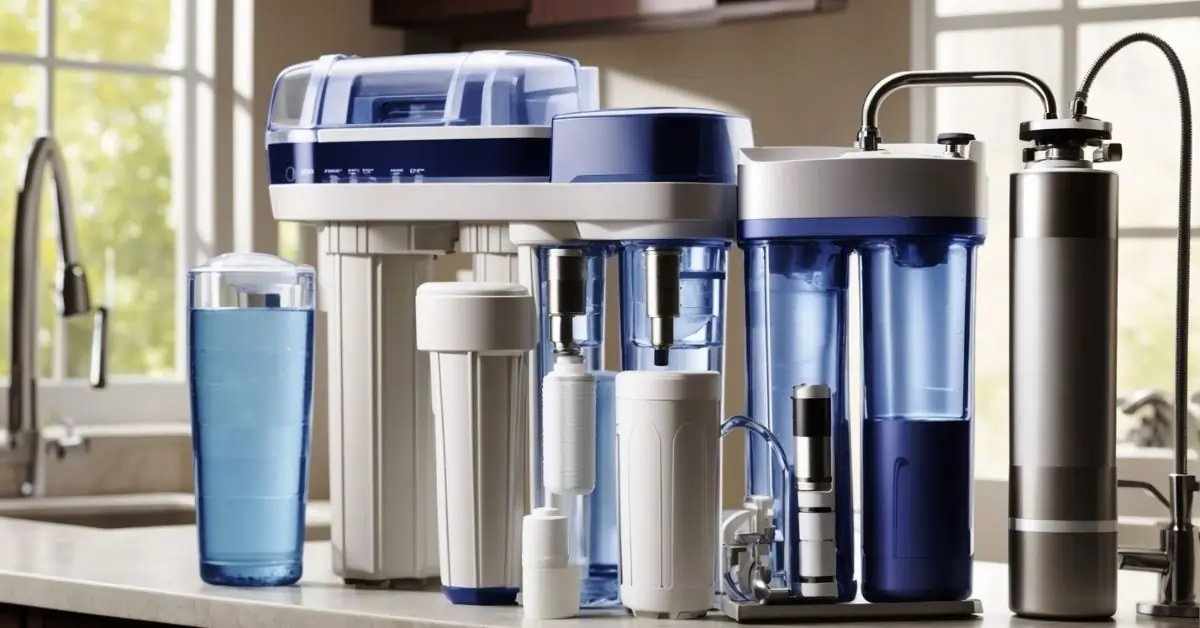
Alright, let’s start with the heavy hitter: reverse osmosis (RO). This thing is basically a water purifier’s version of a superhero origin story. It pushes water through a super-fine membrane that strips out everything—lead, arsenic, fluoride, even that funky “pool water” smell from chlorine. It’s the gold standard for drinking water, no question.
 Types Of Home Water Filtration Systems: Top 5 Powerful Filters
But—and isn’t there always a “but”?—RO systems can be slow and wasteful (about 3-4 gallons of water down the drain for every gallon you drink). Also, they strip out good minerals like calcium and magnesium. You can add a remineralizer filter, but that’s another gadget. For pure, crisp, “bottled-at-the-source” taste? This is your winner. Just be ready for some under-sink plumbing gymnastics.
Option 2: The Fridge-Door BFF (Countertop or Faucet-Mounted)
Maybe you’re a renter, or you’re allergic to drilling holes under your sink. Enter the countertop filter or a faucet-mounted buddy. These are the lazy genius’s dream: screw it onto your tap (or plop it on the counter with a diverter valve), and boom—filtered water on demand. They usually use activated carbon, which is ace at removing chlorine, bad tastes, and odors.
 Household Water Filtration System What Is The Role Of Filtration In
The irony? They look slick, they’re cheap (under $100 for a good one), and they’re super easy to install. But they’re not going to remove heavy metals or viruses. Perfect for improving tap taste, but don’t expect it to turn rusty well water into Evian. It’s the “I just want good coffee water” solution.
Option 3: The Whole-House Beast (Point-of-Entry Systems)
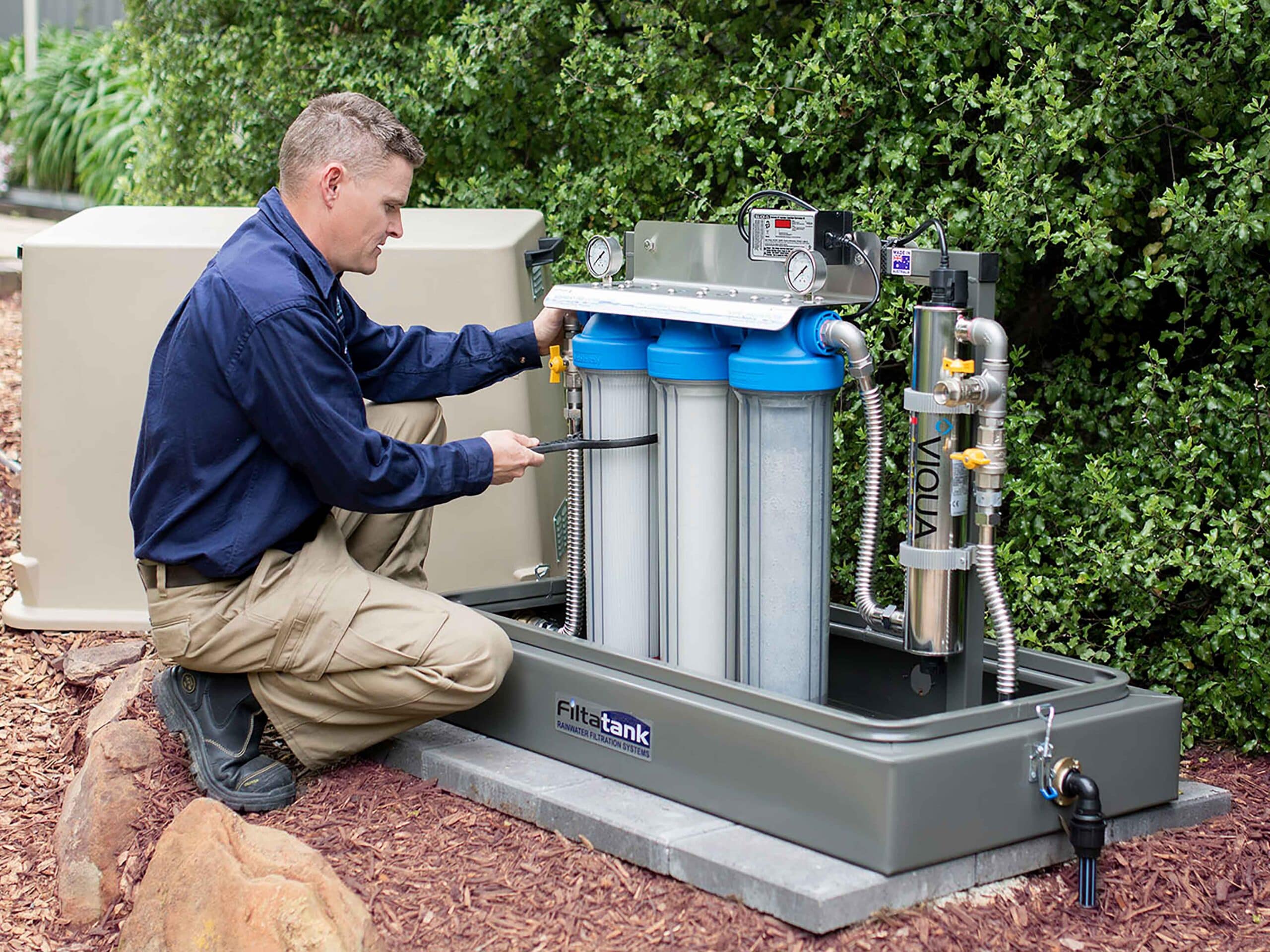
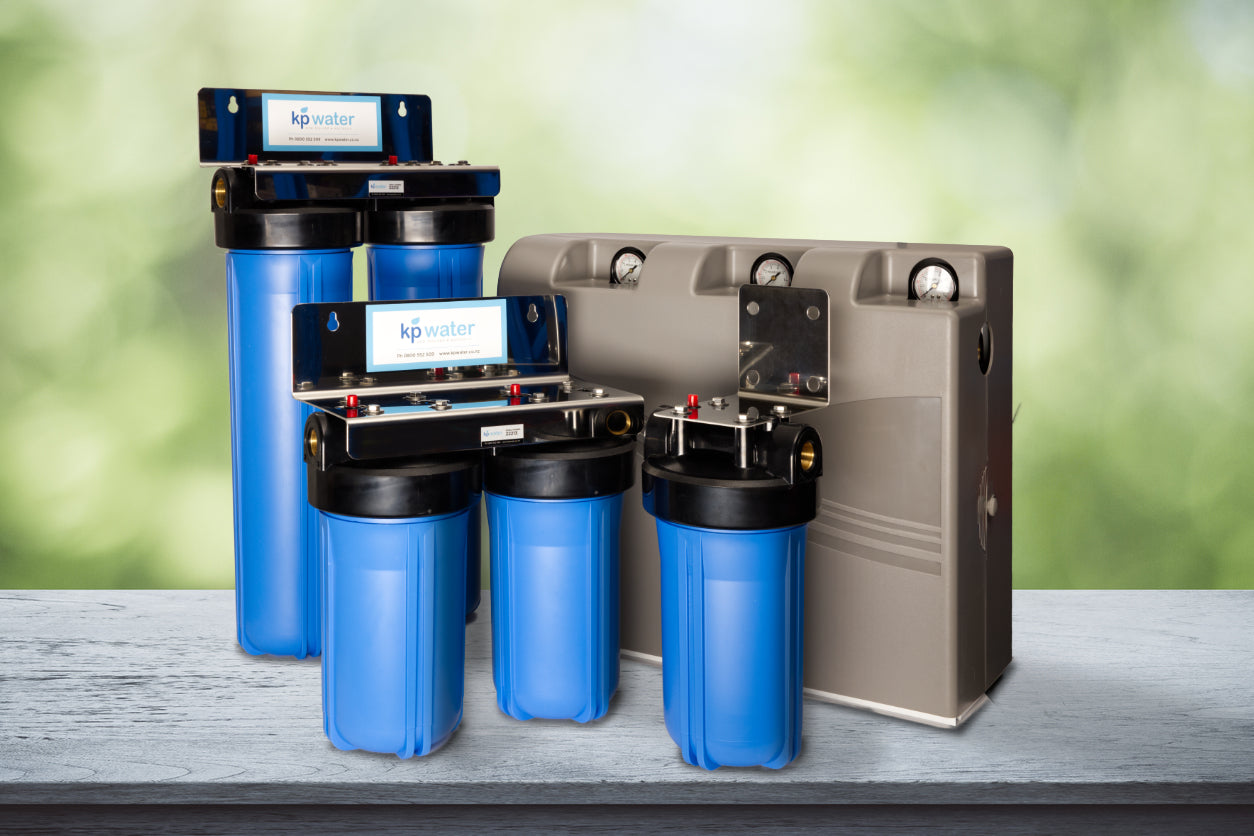
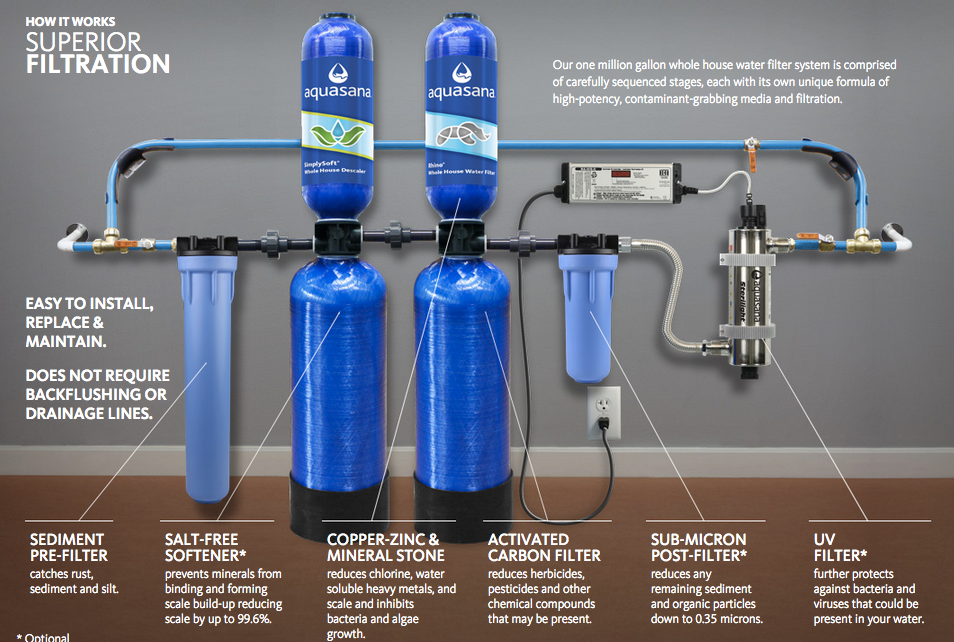
Now we’re talking “go big or go home.” A whole-house filter sits at your main water line and treats every drop—shower, toilet, washing machine, you name it. Sound excessive? Not if you have hard water that’s ruining your skin and leaving scale on your kettle. These usually combine sediment filters and carbon cartridges to remove dirt, chlorine, and some heavy metals.
But listen—this is not a weekend DIY project. You’ll likely need a plumber, $500–$2,000 in hardware, and space near your water meter. The payoff? No more dry, itchy skin after a shower, and your appliances will thank you. For families with serious water issues, it’s a game-changer that makes your whole house feel like a spa.
 KP Water Filters NZ | Whole Home Water Filtration Systems
The Salt-Based Softener vs. Filter Confusion
Okay, quick sidebar because this trips everyone up: water softeners are not the same as filters. Softeners use salt to swap calcium and magnesium (hardness) for sodium. They stop scale, but they don’t remove contaminants. A filter removes the bad stuff. Many people combine both—a softener first, then a final RO under the sink. That’s the “belt and suspenders” approach, and it’s glorious if you’ve got both hard water and sketchy pipes.
What About the Planet?
I’ll be real with you: the most eco-friendly option is usually a countertop carbon filter or a basic under-sink unit. Why? Because they don’t waste water like RO systems, and you ditch plastic bottles forever. RO is amazing but has a bigger environmental footprint (the wasted water, the filter cartridges to replace). If you recycle and compost, a simple activated carbon filter is your guilt-free choice.
 Best Whole House Water Filter System — Guide & Reviews | by
My Honest Verdict (No BS)
If you’re on city water and just want great-tasting, clean drinking water without the headache: get a quality countertop carbon filter—the Big Berkey style or a AquaTru. They’re simple, efficient, and you won’t need a PhD in plumbing. If you’re on well water or paranoid about lead: invest in an under-sink RO system with a remineralizer. It’s the nuclear option for purity.
And if you’re still reading this, itching to buy something? Stop. Test your water first. I know, I sound like your nagging uncle. But I promise: the best filter is the one that actually matches what you’re dealing with. Your taste buds—and your future self, not cursing at a leaky pipe—will thank you.
Now go fill that glass. You deserve water that tastes like… well, nothing, in the best way possible.
