Best Water Treatment System For Home

Okay, friend, let’s talk water. Not the stuff you pay $5 for in a plastic bottle, but the magic liquid coming out of your own tap. You know, the stuff that might taste like a...

Okay, friend, let’s talk water. Not the stuff you pay $5 for in a plastic bottle, but the magic liquid coming out of your own tap. You know, the stuff that might taste like a swimming pool or leave weird white spots on your dishes. Am I right?
If you’ve ever wondered, “Why does my morning coffee taste like a rusty pipe?”, you’re not alone. That’s your home’s water supply throwing a little tantrum. The good news? You can fix it with a water treatment system. No, really—it’s totally possible.
First Things First: What’s Bugging Your Water?
Before you buy anything, you need to know what is in your water. Grab a glass. Fill it. Look at it. If it’s cloudy, smells like rotten eggs, or leaves a film, you’ve got clues. Hard water? That’s the chalky white stuff on your faucets. Chlorine? That’s the pool-smell.
Must Read
Don’t guess. Get a simple home test kit from the hardware store. Or, if you want to feel like a scientist, send a sample to a lab. Trust me, knowledge is power—and cleaner glasses.
Meet the Contenders: The Best Systems for Your Home
Let’s break this down without the corporate jargon. You’ve got three main players: whole-house filters, under-sink units, and countertop gadgets. Each one has a superpower. Which one is yours?
The Whole-House Filter: The Big Boss
This beast hooks up right where your main water line enters the house. Every tap gets treated—the shower, the kitchen sink, even the garden hose. It’s like hiring a bouncer for your entire plumbing system. No more chlorine in your bath water. No more sediment clogging your washing machine.
 The 7 Best Reverse Osmosis Systems For Well Water (2025)
The downside? It takes some work to install. You might need a plumber. And it’s not cheap—think $500 to $1,500. But if you have crazy hard water or smell sulfur, this is your hero. Your hair will thank you later.
The Under-Sink System: The Sneaky Genius
This one lives under your kitchen sink. It connects directly to your drinking water line. Pure water on demand. You install it in about twenty minutes, no plumbing degree required. Most use reverse osmosis, which removes basically everything—lead, arsenic, microplastics, and that weird medicine taste.
The trade-off? It’s only for one tap. And it’s slow. You’ll fill a pitcher over thirty seconds, not ten. But the taste? Pure, crisp, mountain-stream good. Perfect for your fancy coffee setup.
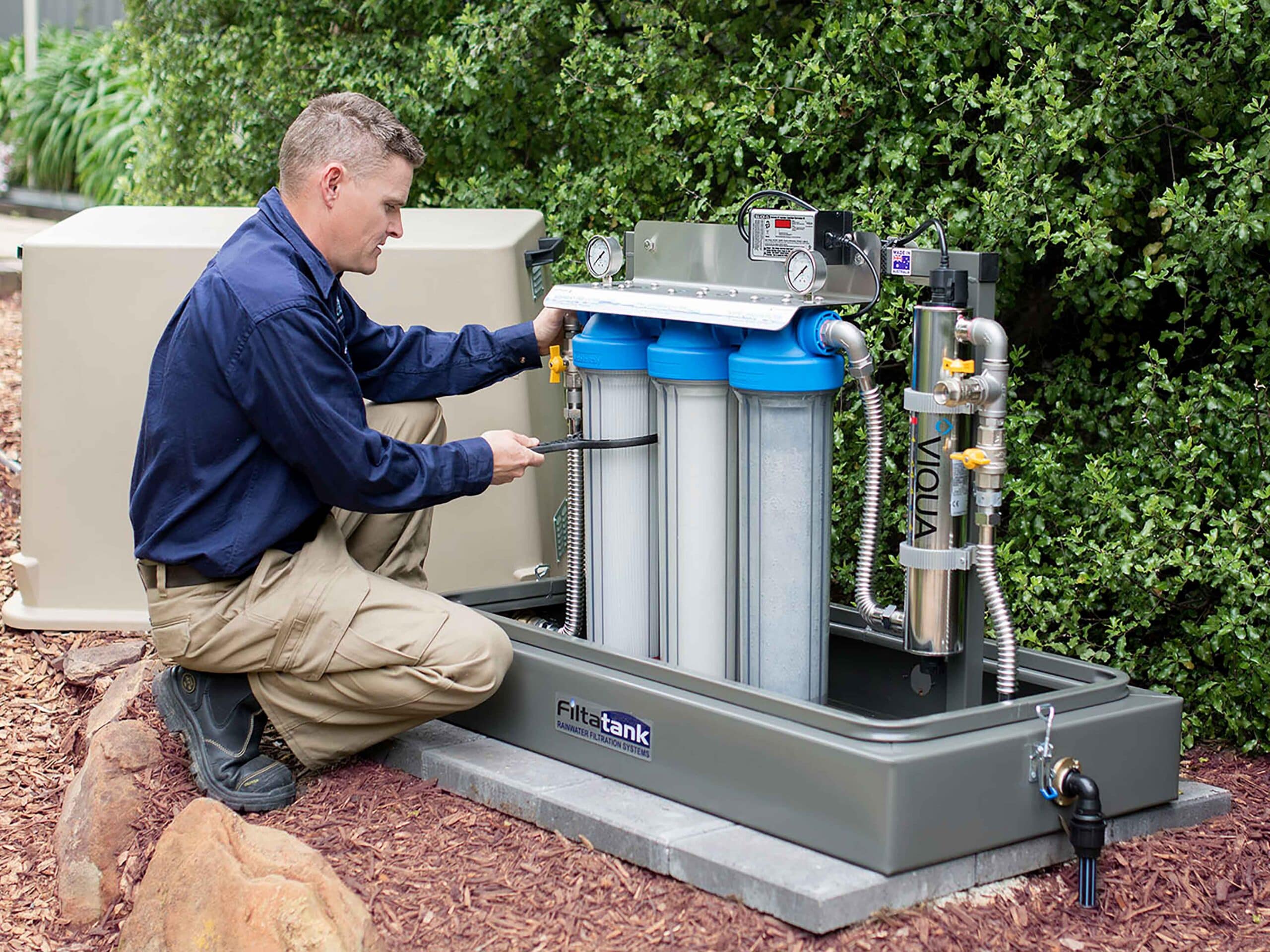 Household Water Filtration System What Is The Role Of Filtration In
The Countertop Carafe: The Easy Breezy Option
Remember that Brita pitcher from college? This is its cooler, way more advanced cousin. You fill it, it filters by itself in minutes. No installation. No tools. Zero commitment. Some even come with fancy mineral filters that add trace minerals back—like a spa treatment for your glass.
Is it the most powerful? No. But if you rent your home or just want better-tasting iced tea, this is your buddy. Cheap, cute, and it works.
What About Salt-Based Softeners? (The Big Guns)
Here’s where you need to be careful. If your water is hard—like, leave soap scum on your skin hard—you need a water softener. But don’t confuse softening with filtering. Softeners swap calcium and magnesium for sodium. They don’t remove chlorine or heavy metals.
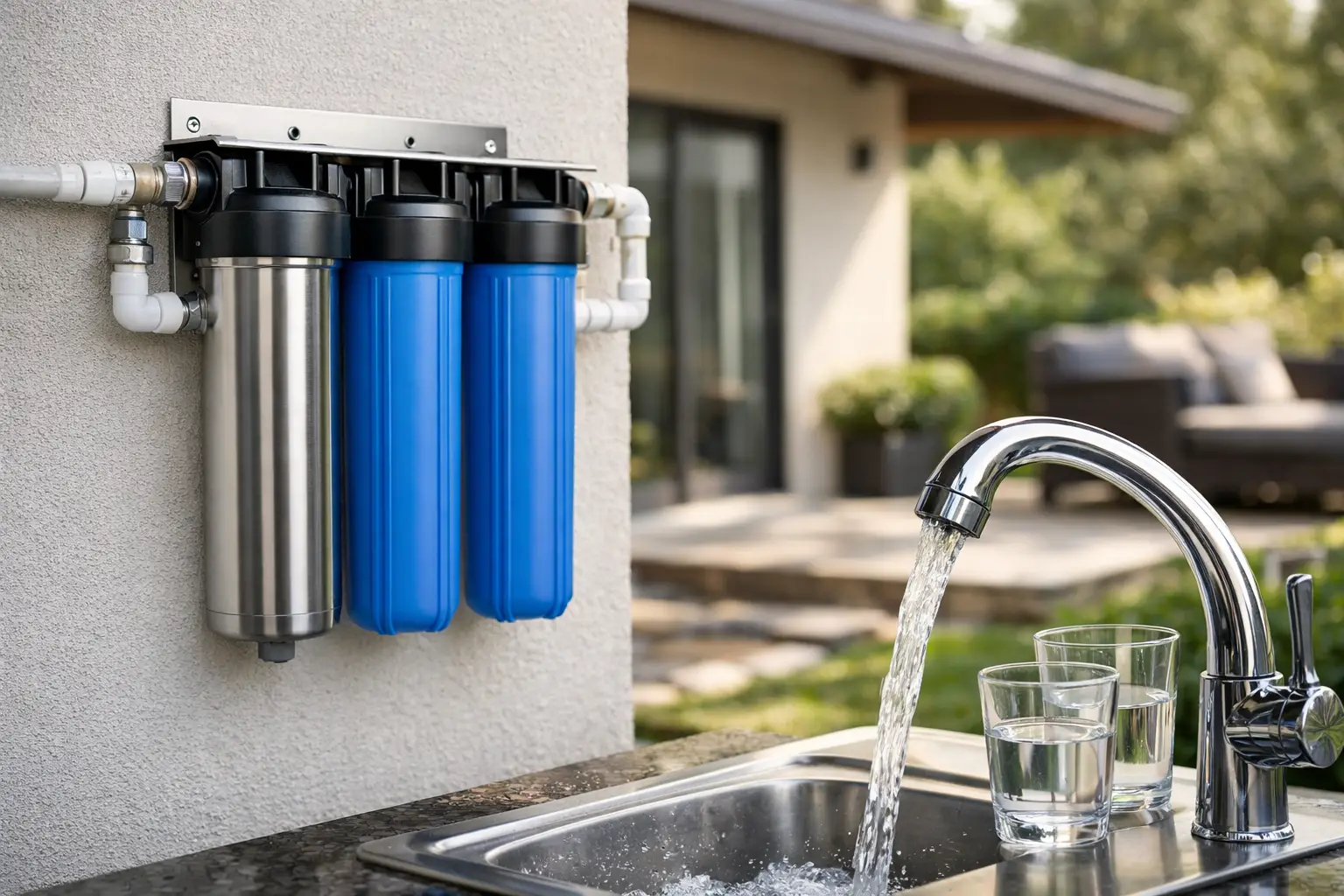 Best Whole House Water Treatment Systems – Aqua Mantra Filters
So if you want soft and clean water, you might need both: a whole-house softener plus a reverse osmosis system for drinking. Yes, that’s two systems. But if you have hard water and city chlorine, it’s the golden ticket. Your skin will feel like baby silk.
A Word on Maintenance (Boring but True)
None of these systems are “set it and forget it.” Filters need changing every 3 to 12 months. Softener salt needs refilling. If you ignore them, your water gets worse than before. Don’t be that person who buys a $500 system and never changes the filter.
Set a phone reminder. Write it on your fridge. Seriously. It’s like changing the oil in your car—annoying, but crucial.
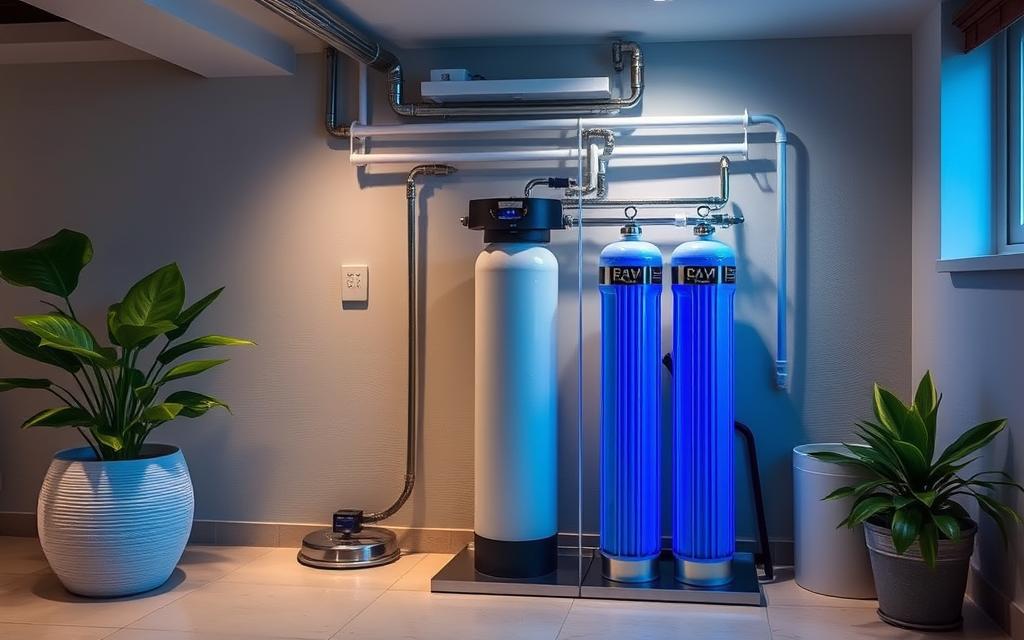 Whole House Reverse Osmosis Water Treatment Systems
So, Which One Do You Pick?
Here’s my super-simple cheat sheet: If you rent or love simple things, buy a countertop filter like the Berkey or a top-rated carafe. If you own your home and hate cleaning shower doors, get a whole-house filter (maybe with a softener). If you’re a water snob (I mean that as a compliment), get an under-sink reverse osmosis system.
Need a specific recommendation? For under-sink, the APEC ROES-50 is a tank. For whole-house, the iSpring WGB32B is a crowd favorite. For countertop, the Clearly Filtered pitcher is my personal obsession—it removes more stuff than any other carafe. No, I’m not paid to say that.
Final Sips of Wisdom
Listen, you don’t need to spend a month’s rent on fancy water gear. But if you’ve ever grimaced at the taste of your own tap water, it’s worth the investment. Your coffee will taste better. Your skin will feel smoother. Your tea kettle will stop looking like a fossil.
So go ahead. Pick a system. Drink amazing water. And if your neighbor asks why you’re suddenly so hydrated and happy, just smile. You’re in on the secret now.
