Best In House Water Filtration System

Alright, picture this: you’re standing in your kitchen, staring at a glass of tap water that looks fine—until you remember that one time it tasted like a melted garden hose. Y...
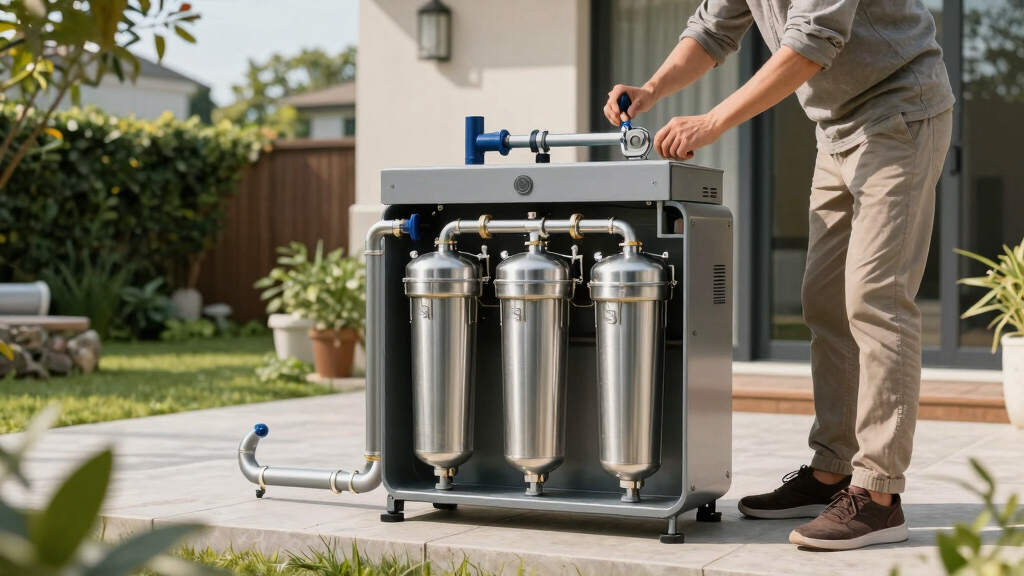
Alright, picture this: you’re standing in your kitchen, staring at a glass of tap water that looks fine—until you remember that one time it tasted like a melted garden hose. You’re not paranoid; your water is basically a traveling circus of minerals, microbes, and who-knows-what from the city pipes. That’s where an in-house water filtration system comes in, saving you from drinking a science experiment gone wrong.
Let’s get real: buying bottled water is like paying for air in a box—except the box is plastic and will outlive your grandkids. The average American spends over $1,000 a year on bottled water, and half of it is just tap water in disguise. You’re basically a sucker for marketing geniuses who convinced you that “mountain spring” tastes better when it came from a hose in New Jersey.
So, the best in-house system? It’s the reverse osmosis setup, often called the “Water Wizard” by people who love not tasting iron. This bad boy pushes water through a semi-permeable membrane that’s so tight, it blocks everything from lead to that weird smell your neighbor’s fish tank gives off. Surprising fact: reverse osmosis can remove up to 99% of contaminants, including fluoride, which is basically what the dentist’s office uses to brainwash your teeth.
Must Read
Now, don’t panic—reverse osmosis isn’t some sci-fi gadget that requires a PhD to install. You get a multi-stage system with carbon filters, a sediment filter, and that fancy membrane, all stacked like a delicious filtration lasagna. It’s the “nuclear option” for clean water, but without the radioactive fallout.
But wait—there’s a catch. Reverse osmosis wastes about 3-5 gallons of water for every gallon it cleans. Yeah, you read that right: it’s a thirsty beast. One hilarious workaround is to attach the waste water to your garden hose, so your petunias get a spa day while you sip perfection. Just don’t tell the neighbors you’re watering tomatoes with “filter rejection” water—they’ll think you’ve gone full survivalist.
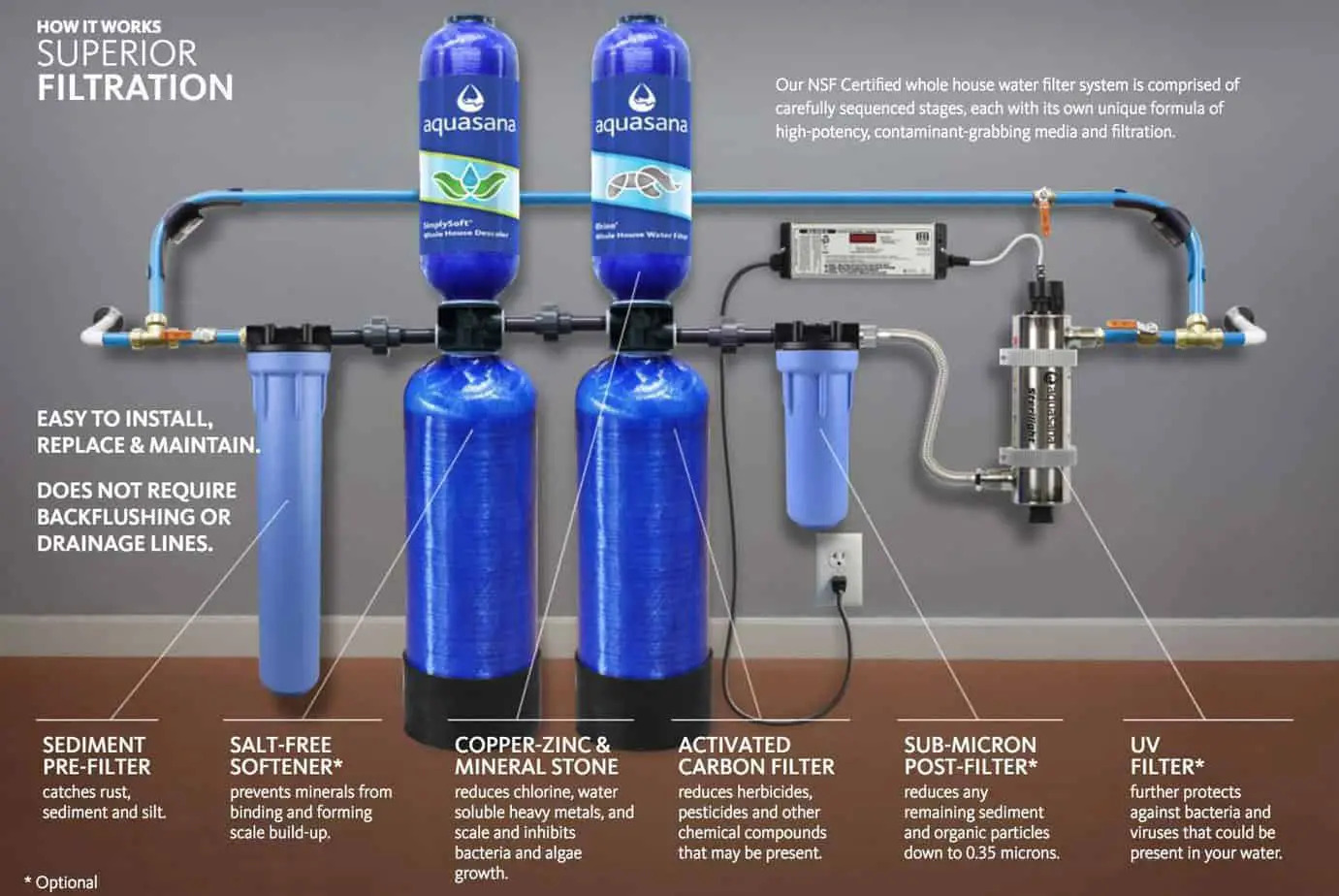 Residential Water Purification Lead Removal Whole House Water Filter
The “Budget Hero” Option
If you’re not ready to drop $500 on a system that sounds like a spaceship part, try a whole-house activated carbon filter. It’s the humble babysitter of water filtration—boring, reliable, and it removes chlorine, which makes your shower smell like a public pool. Fun fact: activated carbon is also used in nuclear power plants to trap radioactive particles. So, yeah, your water is basically a superhero now.
You can get a decent carbon filter for under $100, and it installs right where the water enters your house. Your skin will stop feeling like sandpaper after showers, and your hair might even thank you by not frizzing into a clown wig. It’s the “I’m not fancy, but I’m Frank” of water systems—does the job without the drama.
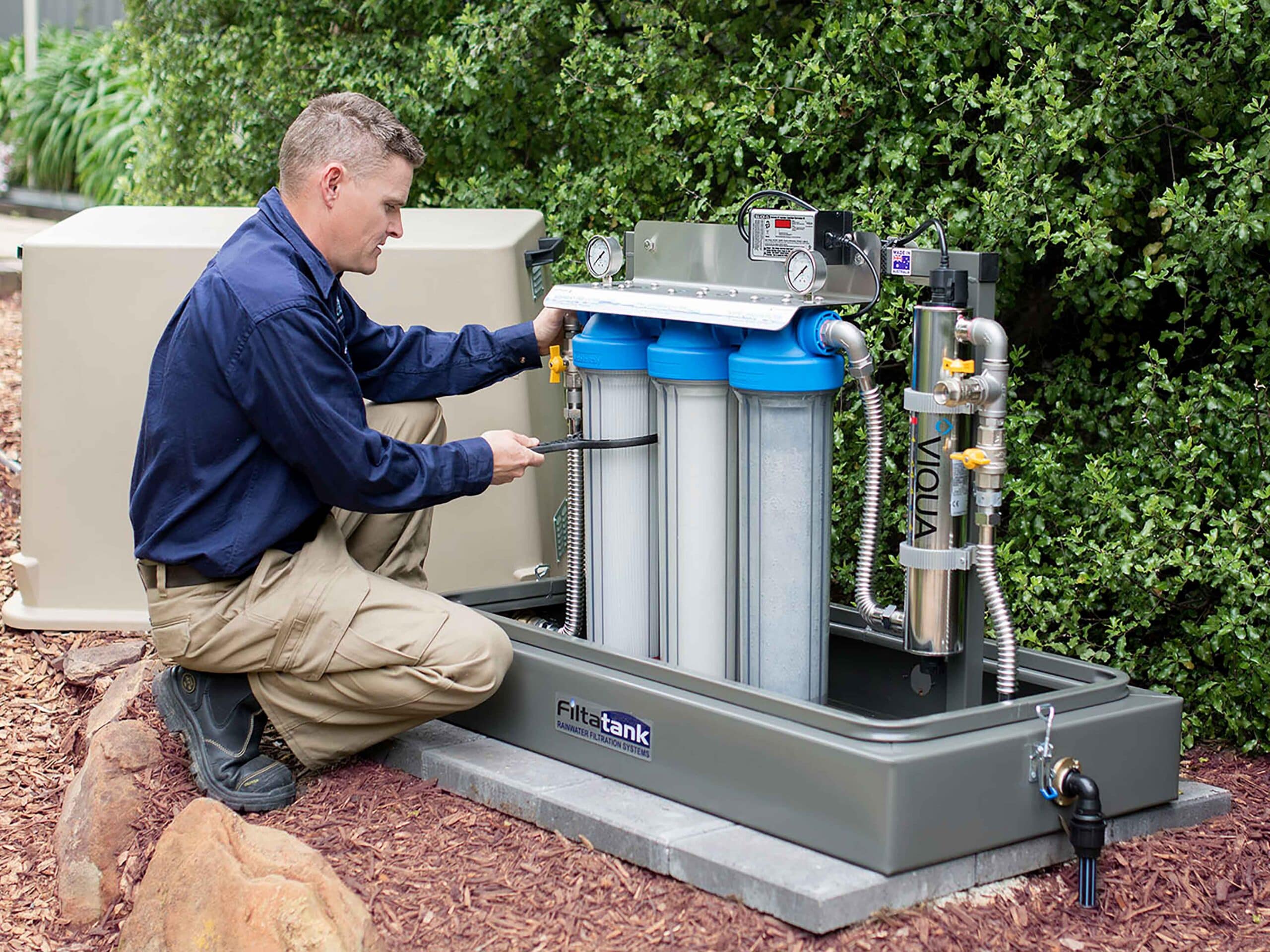 Household Water Filtration System What Is The Role Of Filtration In
The Countertop Cool-Kid
Okay, what if you’re renting an apartment and your landlord thinks “maintenance” is a dirty word? Enter the countertop pitcher filter with a built-in ion exchange—basically a Brita on steroids. It doesn’t remove everything, but it kicks out heavy metals and pesticides, so you’re not accidentally drinking a chemical abstract. True story: some of these pitchers use coconut-shell carbon, which means your water has been filtered through a coconut’s ghost.
The downside? You’ll have to refill it every few hours, and it’s about as fast as a sloth on tranquilizers. But for $30, it’s the gateway drug to water purity—perfect for procrastinators who can’t commit to plumbing.
The “Weird But Genius” Contender
Then there’s the ultraviolet (UV) filtration system, which zaps bacteria with light so strong, it’s basically a tanning bed for germs. UV kills 99.99% of microorganisms, including the ones that make you run for the toilet after a suspicious sip. But here’s the kicker: it doesn’t remove chemicals or sediment, so you’ll need a carbon pre-filter. It’s like pairing a tuxedo with Crocs—effective, but visually confusing.
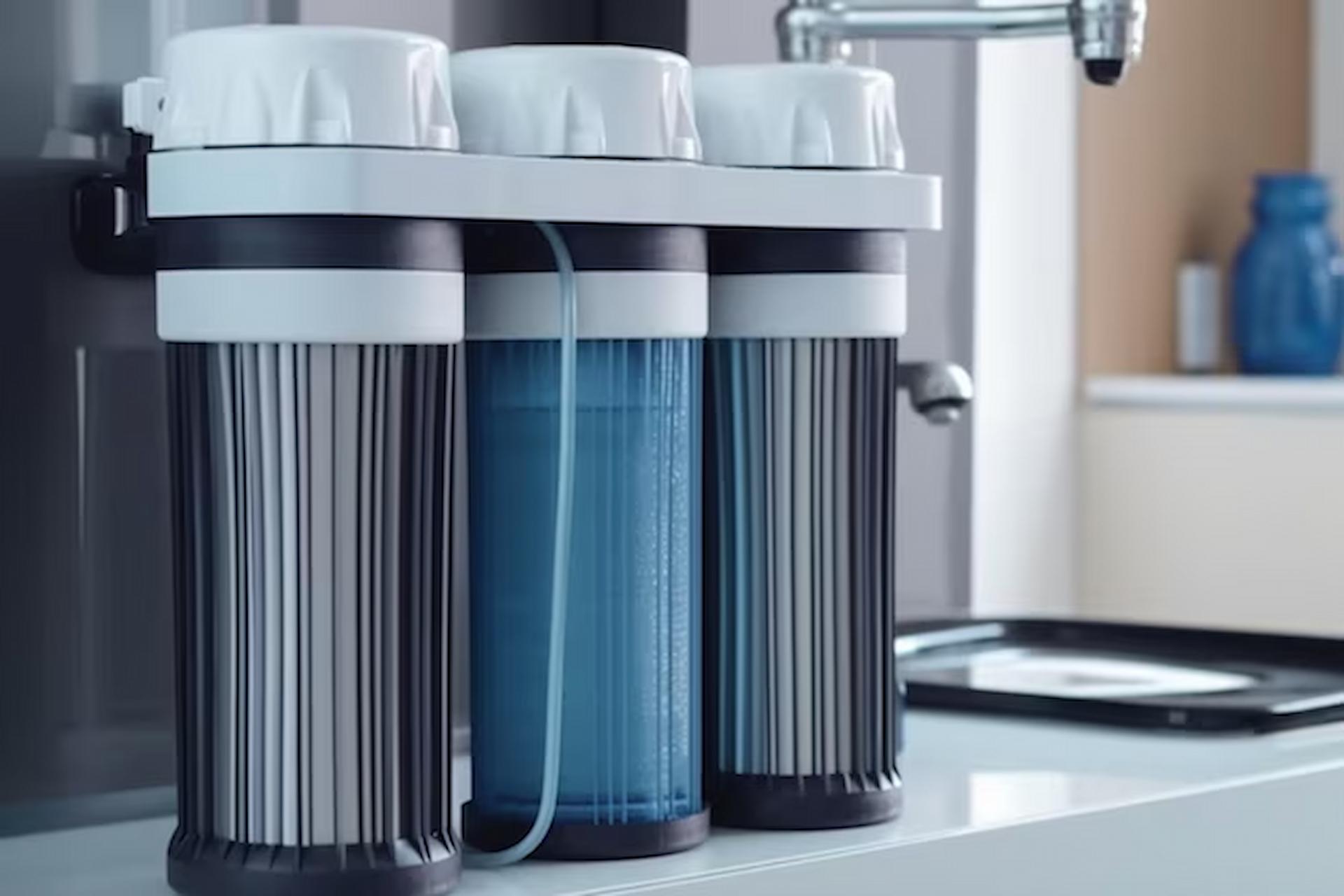 What to Look for in the Best Water Filter System for Your Home
Installation is simple: you stick it under the sink, plug it in, and hope you don’t accidentally look at the light (it’s like staring at the sun, but for your eyeballs). Pro tip: if you have a well, this is your savior. Otherwise, it’s overkill, like using a flamethrower to toast bread.
The Installation “Fun”
Now, I’d love to say installing these systems is a breeze, but brace yourself: you’ll watch at least three YouTube videos, curse a plumber’s ghost, and lose a screw under the fridge. Most systems come with push-fit connectors that are “idiot-proof”—but idiots are surprisingly resourceful. Buy a budget for snacks during the setup, and remember: water is supposed to come out, not all over your shoes.
 Best Whole House Water Filtration System In Dubai – EZPJU
One shocking fact: in many municipalities, tap water contains harmless but hilarious amounts of fish pheromones from the water treatment process. That’s right—you’re drinking fish love notes. A good filter removes that too, so your glass of water won’t smell like a dating app for carp.
The Bottom Line
So, what’s the best in-house system? For most people, it’s the reverse osmosis—the “I’m not messing around” choice—mounted under the sink with a dedicated faucet. It’s a beast, but it’ll make your water taste so clean, you’ll start judging restaurant ice cubes. Bonus joke: your guests will ask, “Is this from a mountain?” and you can reply, “Nope, just my kitchen—and a little plumbing miracle.”
Go ahead, invest in your water. You deserve to drink like a king, not like a bird from a puddle. And if nothing else, you’ll have a great story to tell at the café—just don’t mention the fish pheromones until dessert.
