The Best Reverse Osmosis Filter System

So there I was, staring at a glass of water. It looked clear enough, but my tongue knew better. After a weekend at a friend’s house where the tap water tasted like a mountain...

So there I was, staring at a glass of water. It looked clear enough, but my tongue knew better. After a weekend at a friend’s house where the tap water tasted like a mountain spring, my own kitchen sink felt like a betrayal.
I took a sip. It tasted like a swimming pool had a bad breakup with a metal pipe. I sighed, thinking about the hundreds of dollars I’d spent on bottled water over the years. That was the moment I realized I needed a reverse osmosis (RO) filter system—and not just any system, but the best one.
What Even Is Reverse Osmosis? (Don’t Worry, It’s Not Rocket Science)
In simple terms, reverse osmosis uses pressure to push water through a semi-permeable membrane. This membrane acts like a bouncer at an exclusive club, letting only pure H2O molecules through while kicking out the riff-raff: lead, chlorine, fluoride, pesticides, and even tiny plastics.
Must Read
Think of it as a super-powered colander for your tap water. But not all colanders are created equal, and neither are RO systems—trust me, I learned this the hard way after buying a cheap unit that gurgled like a dying robot.
The best systems don’t just filter; they remineralize the water afterward. Otherwise, you’re drinking distilled water that tastes flat and boring. (Your coffee deserves better, doesn’t it?)
The Three Pillars of the Best System: Flow, Filtration, and Fussiness
Let’s get one thing straight: a slow RO system is a dealbreaker. You don’t want to wait five minutes for a glass of water when you’re hangry. The best systems have a built-in tank or a high-flow membrane that delivers at least 50 gallons per day.
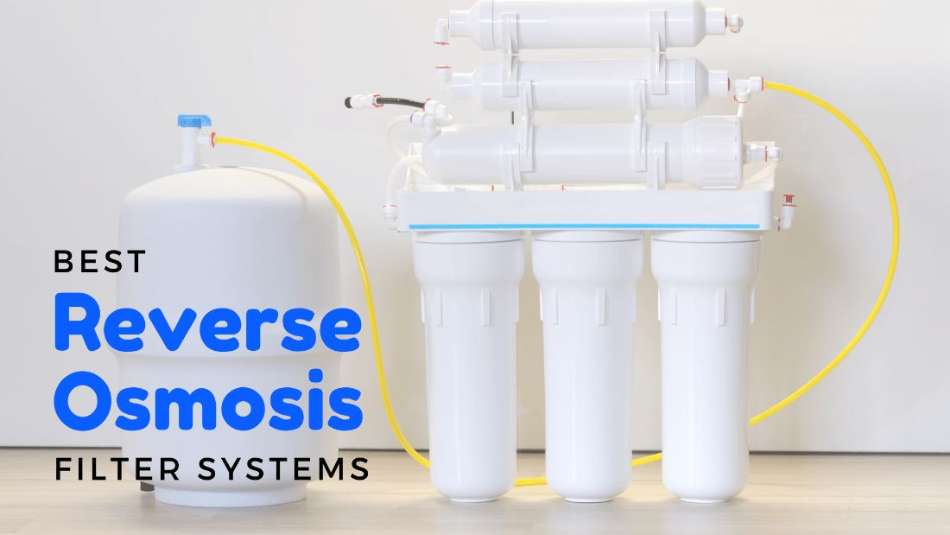 Best Reverse Osmosis Filter Systems (2026) - Water Filter Zone
Then there’s the filtration stage count. A 5-stage system is the sweet spot: sediment filter, carbon block, the RO membrane itself, a second carbon filter, and a remineralizer. Anything fewer than four stages is just a fancy paperweight.
Finally, fussiness. Do you want to replace filters every two months? I didn’t think so. Look for systems with long-life filters—some last up to 12 months—and twist-and-lock cartridges that don’t require a plumber’s degree to swap out.
My Top Contender: The Under-Sink Hero
After weeks of reading reviews (and maybe a few angry Reddit threads), I landed on the Waterdrop G3P800. Yes, it’s a mouthful of a name, but it’s the quietest, fastest system I’ve ever used. It has a tankless design, so it frees up under-sink space for your cleaning supplies or that bag of onions you forgot about.
 Top 12 Best Reverse Osmosis Water Filter Systems Revealed! - American
The installation was surprisingly simple. It came with clearly labeled tubes and a step-by-step video. No, seriously—if I can install it without cursing, you can too. The water tastes clean, almost sweet, and my coffee has never been better. My French press is grateful.
But here’s the kicker: it also removes 99.9% of TDS (total dissolved solids). That’s the stuff that leaves spots on your glasses and makes your kettle look like a crime scene. I even use the water for my houseplants now, and my monstera is thriving. Coincidence? I think not.
The Budget-Friendly Champion: Don’t Sleep on the APEC Water Systems ROES-50
If your wallet isn’t ready for the Waterdrop, the APEC ROES-50 is the old reliable. It’s been around for years, has a stellar reputation, and costs about half the price. It’s a tank-based system, so it’s slower, but it’s absolutely bulletproof.
Think of it as the Toyota Camry of RO systems—not flashy, but it will run for a decade without complaining. Pair it with a cheap remineralization add-on, and you’ve got pristine water for under $200. Your wallet will thank you, and so will your taste buds.
 Featured Reverse Osmosis Systems - Reverse Osmosis Filters
One downside: the filters need changing every six months, which is more frequent than the tankless models. But honestly, replacing a $20 filter is a small price to pay for water that doesn’t taste like a municipal swimming pool.
What About the Countertop Models? (Spoiler: They’re Actually Good)
If you’re renting or hate drilling holes in your counter, countertop RO systems are a game-changer. The AquaTru is the gold standard here. It sits on your counter, doesn’t require installation, and filters water in a few minutes. It’s also certified to remove PFAS (those forever chemicals everyone’s worried about).
The catch? It takes up counter space, and the filters are pricey. But for apartment dwellers or skeptical renters, it’s a solid choice. Just don’t expect it to fill a gallon pitcher in 30 seconds—patience is key.
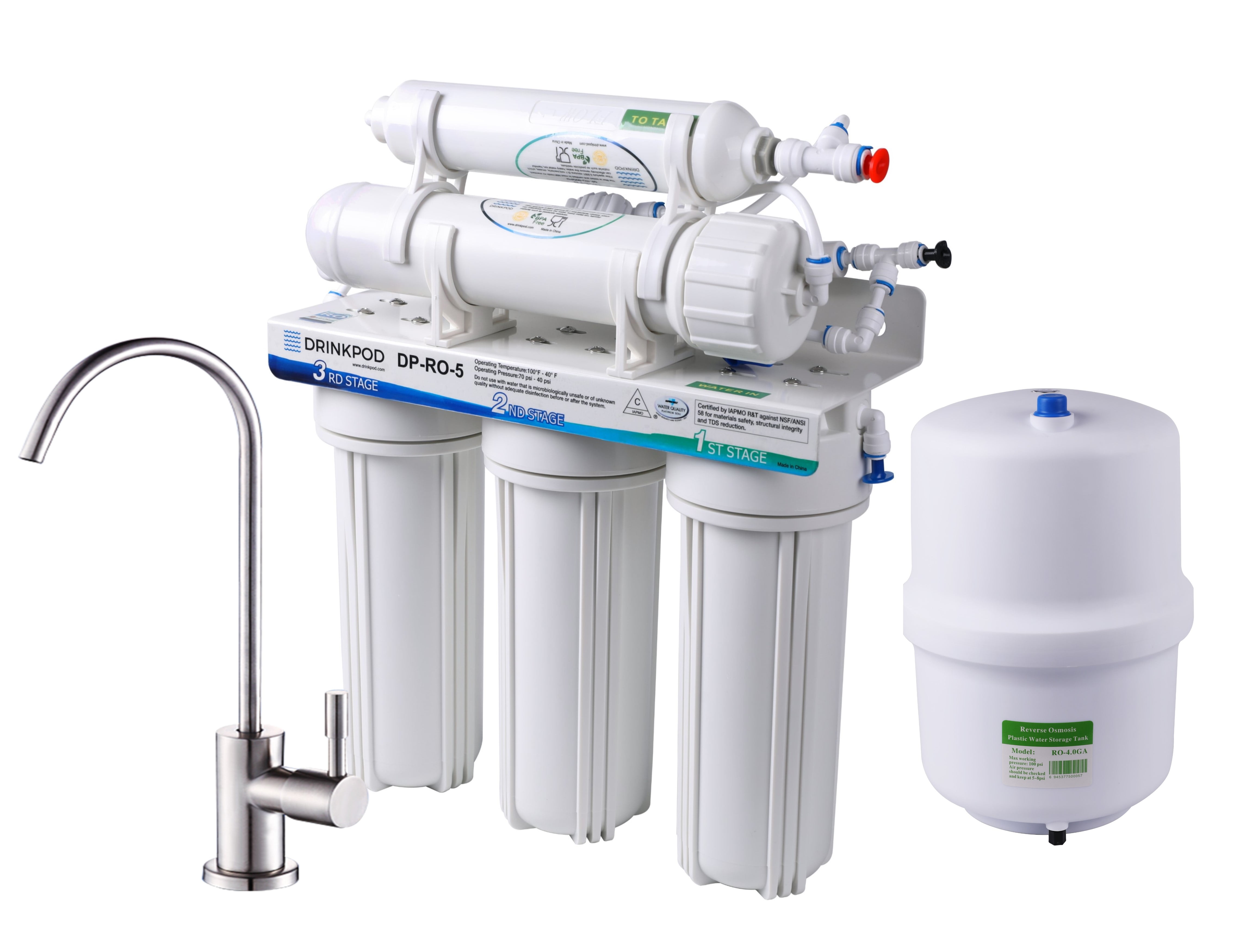 Drinkpod 5 Stage Under Sink Reverse Osmosis System with Brushed Nickel
Side note: if you have a hard water problem, skip countertop models and go under-sink. The salt-based softeners in some systems will extend the life of the RO membrane, and your appliances will thank you.
Final Thoughts: Don’t Overthink It—But Don’t Underbuy Either
Here’s the truth: the best reverse osmosis system is the one you’ll actually maintain. A fancy $1,000 system is worthless if you ignore the filter change reminders. Conversely, a cheap $80 system will frustrate you with its slow drip and tiny tank.
My advice? Spend between $200 and $500, prioritize a tankless design for speed, and make sure it includes a remineralization stage. Your daily hydration routine will transform from a chore into a moment of quiet joy. Really.
Oh, and that friend’s house? I brought them a bottle of my new RO water. They admitted it was better than theirs. I’m not saying I won the water war, but… I definitely won. Cheers to never drinking pool water again.
