Best Water Filtration System For House

Last Tuesday, my friend Dave took a sip of tap water and made a face like he’d just bitten into a lemon wrapped in a gym sock. “This tastes like a swimming pool that’s seen so...
Last Tuesday, my friend Dave took a sip of tap water and made a face like he’d just bitten into a lemon wrapped in a gym sock. “This tastes like a swimming pool that’s seen some things,” he groaned. And honestly? He wasn’t wrong. That moment kicked off a three-hour rabbit hole of Google searches, YouTube tear-downs, and a heated debate about whether “mineral taste” is a good thing or just fancy marketing for dirt.
You’re here because you’ve probably had your own “Dave moment.” Maybe your water smells like a public pool after a chlorine party, or leaves white crust on your coffee pot like it’s building a tiny limestone fortress. You’re not crazy—and you don’t need to move to a mountain spring to fix it. You just need the best water filtration system for house, and I promise you, it’s simpler than assembling IKEA furniture (which, let’s be real, is a low bar).
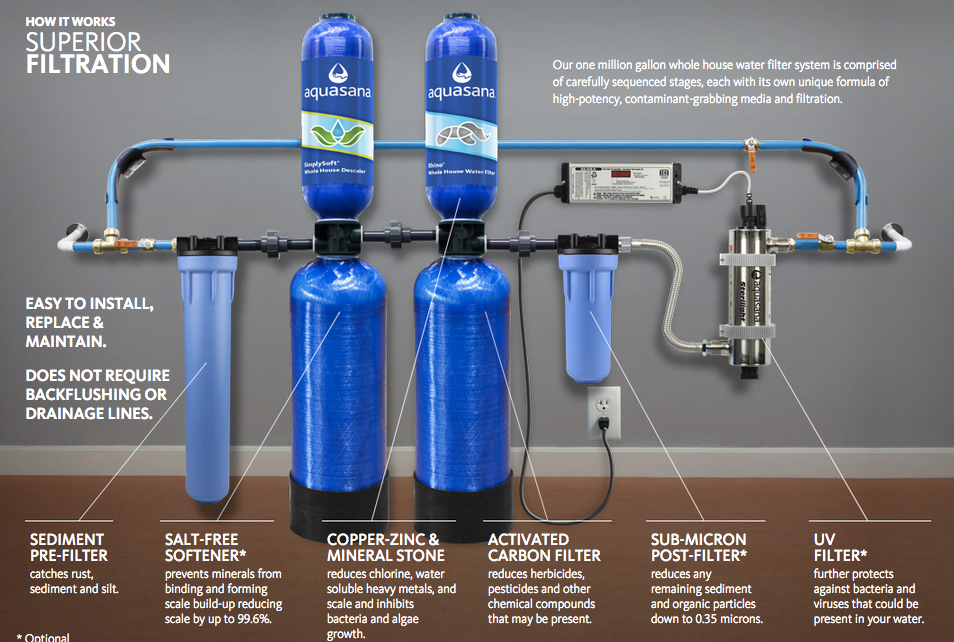
Let’s start with the elephant in the kitchen: whole-house filters. These bad boys treat every drop that enters your pipes—from the shower head to the ice maker. Yes, even the toilet gets fancy water (your toilet doesn’t care, but your skin and hair will thank you). If you live in an area with hard water or weird smells, this is the “nuclear option” that solves everything at once. It costs more upfront—think $400 to $2,000—but it saves you from scrubbing lime scale off your shower doors every Saturday.
Must Read
But wait—do you really need to filter water for the washing machine? Maybe, maybe not. Here’s the ironic part: most people over-filter. You might just need a point-of-use system, like an under-sink filter for your kitchen tap. Those are cheaper—around $100 to $300—and they focus on the water you actually drink and cook with. They’re also easier to install, which matters when your Saturday is already booked with “nap” and “maybe a sandwich.”
The Players: Reverse Osmosis vs. Carbon Filters
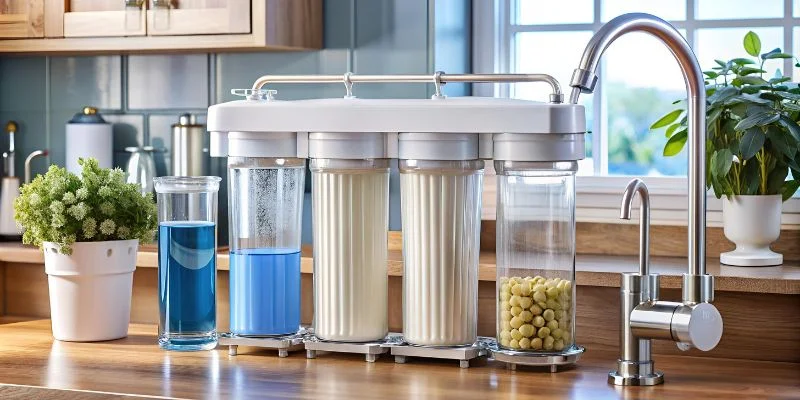
Alright, let’s break down the heavyweights. Reverse osmosis (RO) systems are the gold standard if you want to remove everything—lead, arsenic, fluoride, microplastics, and even that weird “pharmaceutical aftertaste” nobody talks about at parties. The catch? RO wastes a bit of water (about 3 gallons for every 1 gallon of clean water—ouch), and it strips out some healthy minerals. You can add a remineralizing filter later, but that’s like putting a “vitamin boost” sticker on a salad that’s mostly iceberg lettuce. It works, but you’ll pay extra.
 Best Home Water Filtration Systems | How to Choose
On the other hand, carbon filters are the reliable minivan of water filtration. They’re affordable ($30 to $150 for a basic faucet attachment), they remove chlorine and bad tastes, and they leave in the good stuff like calcium and magnesium. But they won’t catch heavy metals or fluoride. So if your water report looks like a chemistry textbook from 1985, skip the carbon and go for RO. (Side note: always check your local water quality report first. It’s free, it’s online, and it’s way more interesting than you think. I’m not joking—I read mine and found out we had “excessive iron.” My water wasn’t rusty; it was just emo.)
What About Pitchers and Faucet Mounts?
Ah, the Brita pitcher—the gateway drug of water filtration. Let’s be real: pitchers are fine for renters and people who drink like birds. They improve taste, but they’re slow and you have to remember to refill them (which I fail at constantly). Faucet-mounted filters are better for speed, but they can be bulky and sometimes leak if you have a weird faucet design. Pro tip: if your faucet looks like a swan from a 1980s sci-fi movie, stick with an under-sink system.
 Household Water Filtration System What Is The Role Of Filtration In
Here’s a controversial opinion: don’t waste money on “smart” filters that connect to your phone. Yes, they show you water quality stats in real time, but do you really need an app to tell you your water is “good”? Just taste it. If it tastes like Dave’s swimming pool, it’s bad. If it tastes like nothing, you’re golden. (Unless you like the taste of minerals, in which case—go you, weirdo.)
Installation: DIY or Call a Friend With Tools?
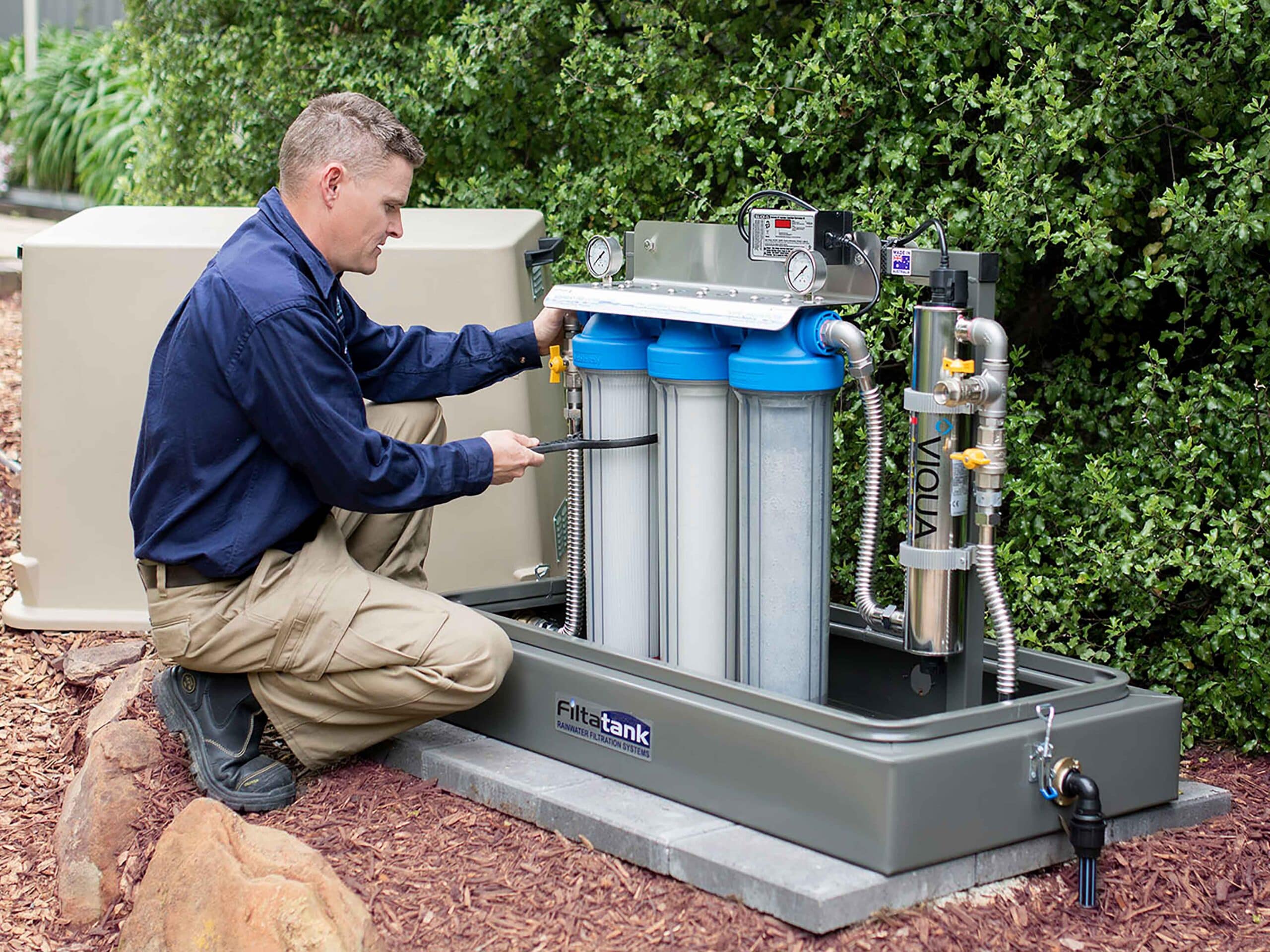
For under-sink systems, you’ll need basic plumbing skills—turning off the water, tightening a few nuts, and maybe cursing under your breath. If you’re handy, it’s a 30-minute job. If you’re like me, you’ll spend 45 minutes watching a YouTube tutorial, 10 minutes doing the work, and 20 minutes cleaning up a puddle of water while muttering “why didn’t I call someone?” Whole-house systems are another beast—they require cutting into your main water line and mounting a large tank. That’s a job for a plumber unless you enjoy weekend projects that turn into month-long grudges.
 Best Whole House Water Filtration System In Dubai – EZPJU
Finally, let’s talk maintenance. Every filter needs replacing—generally every 6 to 12 months. If you ignore this, your “filter” becomes a bacteria hotel. Gross, but true. Set a reminder on your phone, or better yet, buy a system with a built-in meter that alerts you. Your future self will appreciate it, even if your present self just wants to stop thinking about this.
The Verdict (Spoiler: It’s Personal)
So, what’s the best water filtration system for your house? If you want the “set it and forget it” solution with no compromise, go with a whole-house RO system—but be ready to spend and to waste some water. If you’re on a budget and mostly care about drinking water, a dual-stage under-sink carbon filter with a sediment pre-filter is your sweet spot. (Bonus: it’s cheap, easy, and doesn’t make you feel guilty about the environment.)
And if you’re still reading this because you’re indecisive? Just buy a good faucet-mounted carbon filter for now. It’s $40, it’s instant, and it will stop you from making Dave’s face every time you pour a glass. You deserve water that tastes like water, not a science experiment. Now go hydrate—and maybe call Dave to tell him the good news. He’s still over there drinking from a bottle like it’s 1995.