Best Commercial Water Softener Systems

So there I was, staring at my basement floor after a long weekend away. A two-inch puddle of murky water had crept from the utility sink, spreading like a silent accusation. M...

So there I was, staring at my basement floor after a long weekend away. A two-inch puddle of murky water had crept from the utility sink, spreading like a silent accusation. My "trusty" little residential softener had given up the ghost—and taken my sanity with it.
My neighbor, a guy who runs a small car wash, just laughed. He said, "Buddy, you need a commercial system. Those things don't quit." And he was right. That soggy mess got me thinking about the real workhorses: commercial water softener systems.
Let's be honest—most of us don't need a water softener the size of a refrigerator. But when you do need one, you want the kind that makes a promise and keeps it, not one that leaks at the first sign of a hard-water weekend. So, what makes a system "best" in this tough-love category?
Must Read
First, let's talk about flow rate. This is the big, boring number everyone ignores. Think of it like a highway: a small residential unit is a two-lane road, fine for a family of four. A commercial system? That’s a six-lane interstate.
If you have a coffee shop, a laundry mat, or even a ranch with lots of animals, you need a system that can handle bursts of water without slowing down. A best-in-class commercial softener should handle 20+ gallons per minute easily, sometimes more. Don't let anyone sell you a "commercial-grade" unit that chokes when you run two showers and a dishwasher.
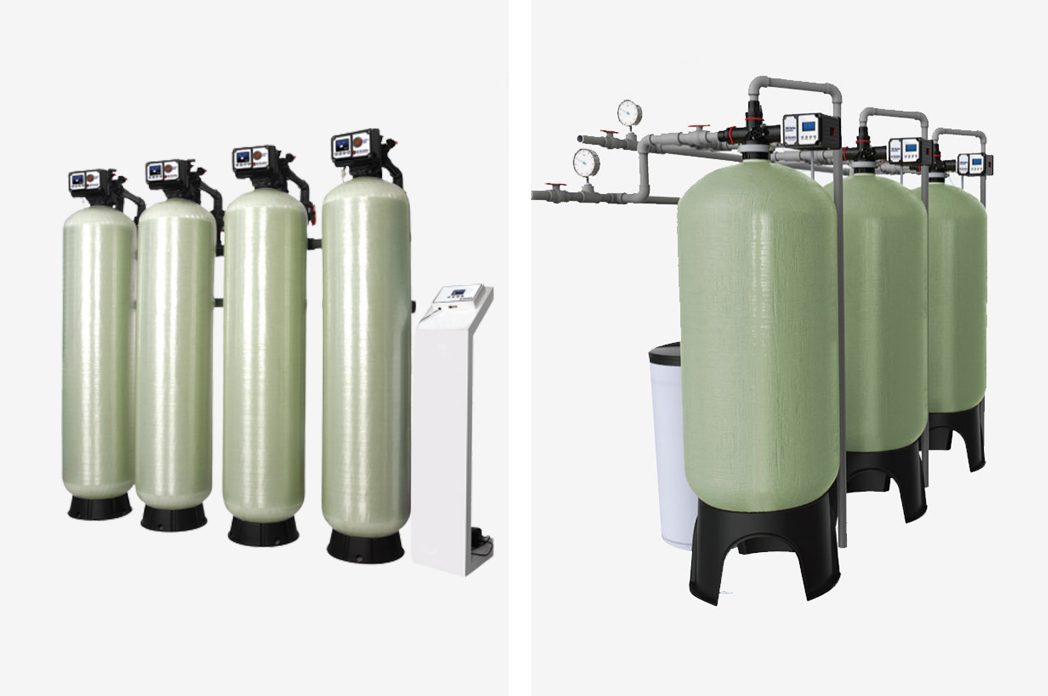 Commercial Water Softeners | Lone Star Water | Commercial Water
Next up: tank construction. This is where the magic—or the disaster—happens. Look for a system with a fiberglass or stainless steel tank. No plastic. Plastic tanks are fine for apartments, but they can bulge or crack under constant pressure and regeneration cycles.
The valve is the brain of the operation. You want a commercial-grade control valve, often made by brands like Fleck or Clack. These are built like tank parts and can be repaired easily. Stay away from integrated, sealed units—when they break, you throw the whole system away. That’s just bad planning (and bad for your wallet).
Now, resale resin vs. high-capacity resin. Resin is the tiny beads that actually grab the calcium and magnesium. Cheap systems use a standard resin that wears out in 5-7 years. The best commercial softeners use high-cross-link resin (like 10% or higher).
 Commercial and Industrial Water Filtration & Softening Systems
This stuff lasts 15-20 years and resists chlorine damage better. It’s a few hundred dollars more upfront, but it saves you from replacing the entire tank down the line. Trust me on this one—I’ve dumped out old resin that looked like wet dirt, and it’s not a fun job.
Let's get into the features that actually make a difference. A metered regeneration system is non-negotiable. It only regenerates when it needs to, based on actual water usage. That saves salt, water, and money. You don't want a timer-based system that flushes every three days whether you use water or not.
Also, look for bypass valves built into the system. You know why? Because when you need to service it—and you will, eventually—a bypass lets you keep water flowing to your building while you work. Without one, you're shutting off water to an entire business. Oof.
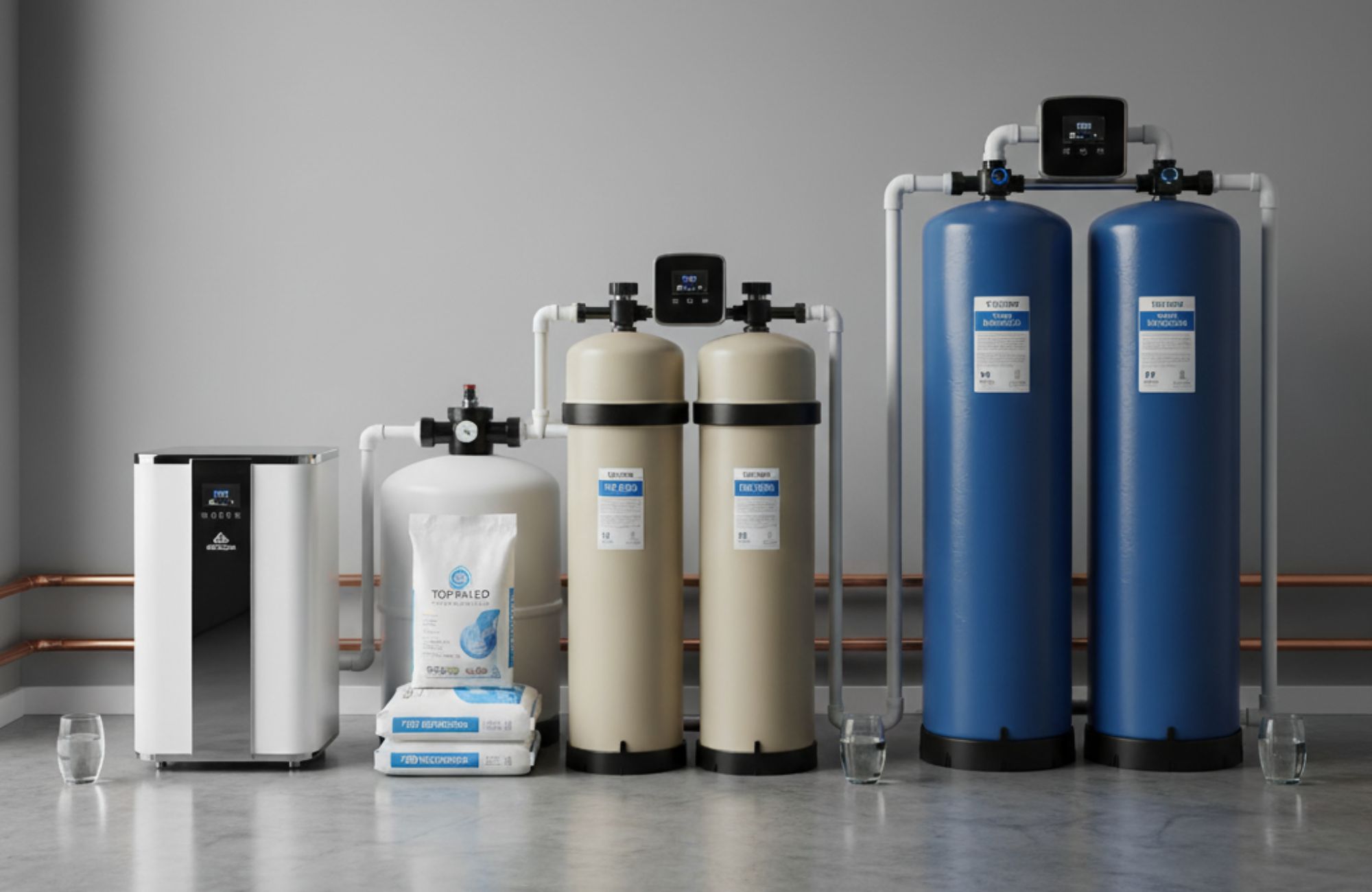 Best Water Softener Systems in Wolcott, CT (2025) - Housatonic Valley
Now, a few brand names that keep coming up in the commercial world. Kinetico makes a non-electric system that uses water pressure to run. It’s clever, but expensive and harder to find parts for, especially in smaller towns. I prefer Fleck 5600 or 5810 series valves paired with a good tank.
Then you have Culligan—the big yellow trucks you see everywhere. Their commercial units are solid, but you're locked into their service contracts. That’s fine if you have money and hate DIY. But if you like to tinker? Buy a standalone system from a supplier like Aquasure or RainDance. You can install it yourself.
One ironic truth: bigger is not always better. I saw a restaurant owner install a monster unit designed for a hotel. It regenerated only once a week, and the resin sat in stagnant brine for days. The resin actually rotted. He ended up with hard water anyway. Match the system to your average daily use, not your peak paranoia.
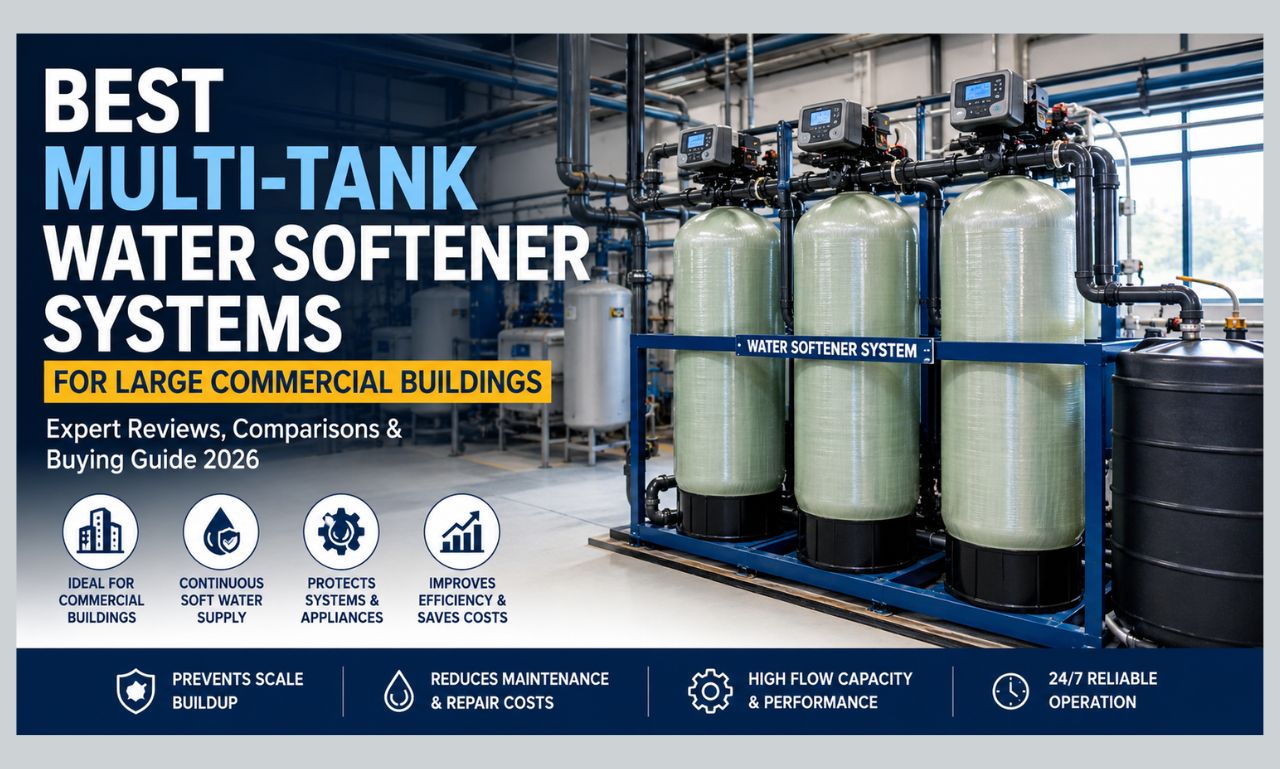 Best Multi-Tank Water Softener Systems for Large Commercial Buildings 2026
What about maintenance? Commercial systems are like pickups—they like a little attention. Sanitize the resin bed once a year with a resin cleaner. Check the brine tank for salt mush (that gooey salt that turns into a brick). And if you hear a grinding noise during regeneration? That's the valve struggling. Fix it immediately.
So, what’s the best commercial water softener system? There isn't one perfect box. But the best for you is a system with a proven metal or fiberglass tank, a rebuildable valve from Fleck or Clack, high-cross-link resin, and a metered control. Ignore the flashy LEDs. Listen for the hum of a system that just works.
After my basement flood, I bought a 2-cubic-foot commercial unit with a Fleck 5812 valve. It’s ugly, loud during regeneration, and sits in a corner like a faithful beast. But you know what? My water is so soft that soap barely rinses off, and I haven’t had a single drip of trouble in three years. That’s the kind of boring, heroic performance you want. Don’t settle for less.
