Best Whole Home Water Filtration System

We’ve all been there—standing in the grocery aisle, staring at a sea of plastic water bottles, feeling a mix of guilt and indecision. You want clean water, but you also want t...

We’ve all been there—standing in the grocery aisle, staring at a sea of plastic water bottles, feeling a mix of guilt and indecision. You want clean water, but you also want to stop being that person who forgets to recycle. The solution, my friend, isn’t in a shrink-wrapped six-pack; it’s right under your sink.
A whole home water filtration system is the ultimate glow-up for your plumbing. It’s not just about taste—it’s about transforming every drop from every tap into a luxury experience. Imagine showering in water that doesn’t smell like a swimming pool, or brewing coffee that actually tastes like coffee, not chlorine.
Why Go Whole Home?
Let’s get real: that pitcher filter in your fridge is cute, but it’s also a little lazy. It only handles the water you drink, leaving your skin, hair, and appliances to fend for themselves. A whole home system tackles the entire house, from the shower head to the washing machine.
Must Read
Think of it as the cool, responsible sibling of the under-sink filter. It installs at the main water line, stopping contaminants like sediment, chlorine, and heavy metals before they even enter your pipes. Your skin will thank you, your kettle will stop looking like a science experiment, and your plants will literally drink better than you do.
Fun fact: The average person absorbs more chlorine through their skin during a 10-minute shower than by drinking eight glasses of tap water. So yes, you’ve been marinating in pool-grade chemicals. A whole home system solves that.
Pick Your Player: The Main Filters
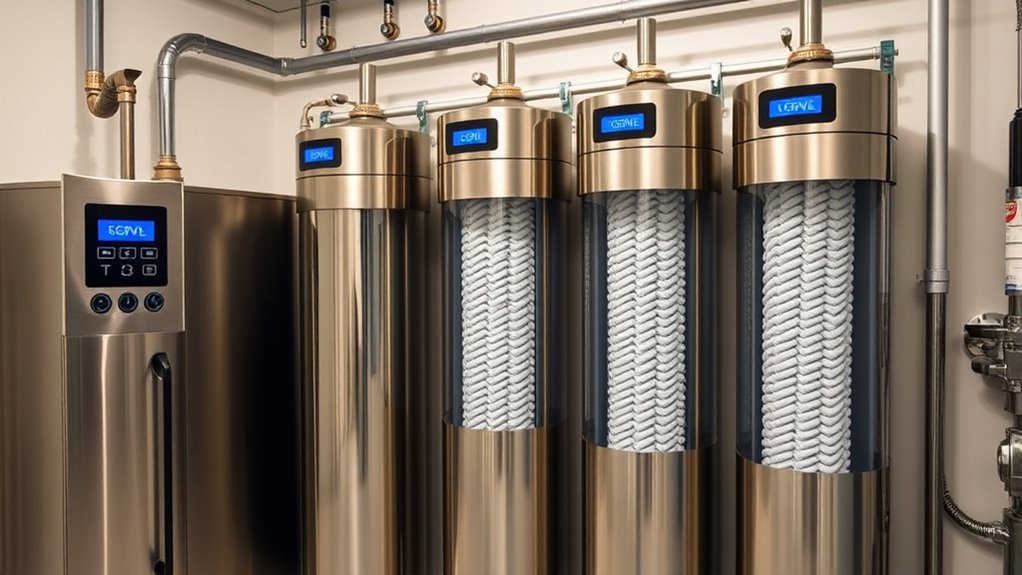
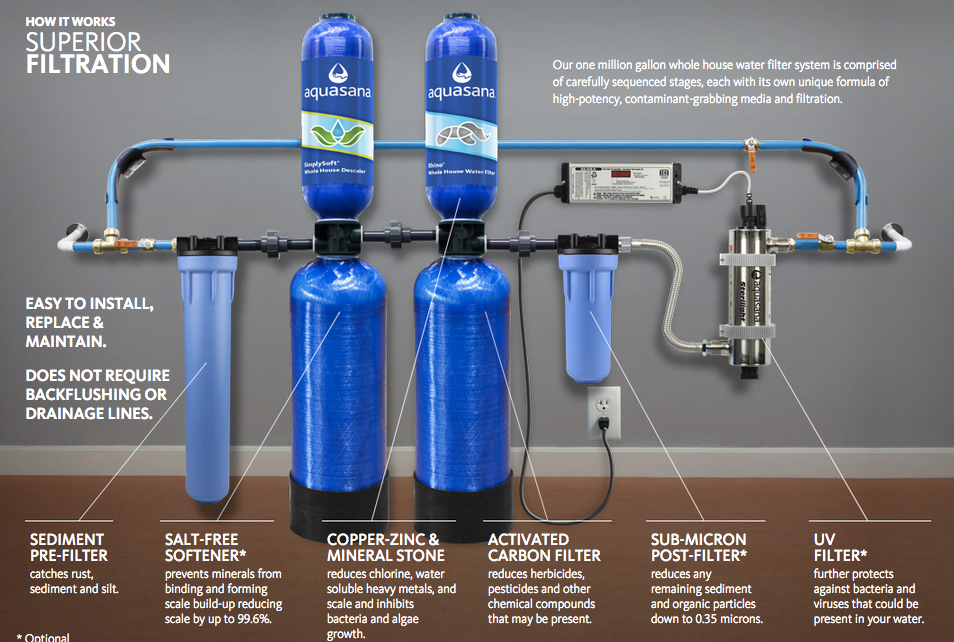
Not all filters are created equal, and choosing one is a bit like dating. You need to know what you’re getting into. The media filter (using carbon, KDF, or catalytic carbon) is your best friend for removing chlorine, taste, and odor. It’s the friendly, low-drama option.
 15 Best Whole House Water Filter Systems That Promise Clean, Safe Water
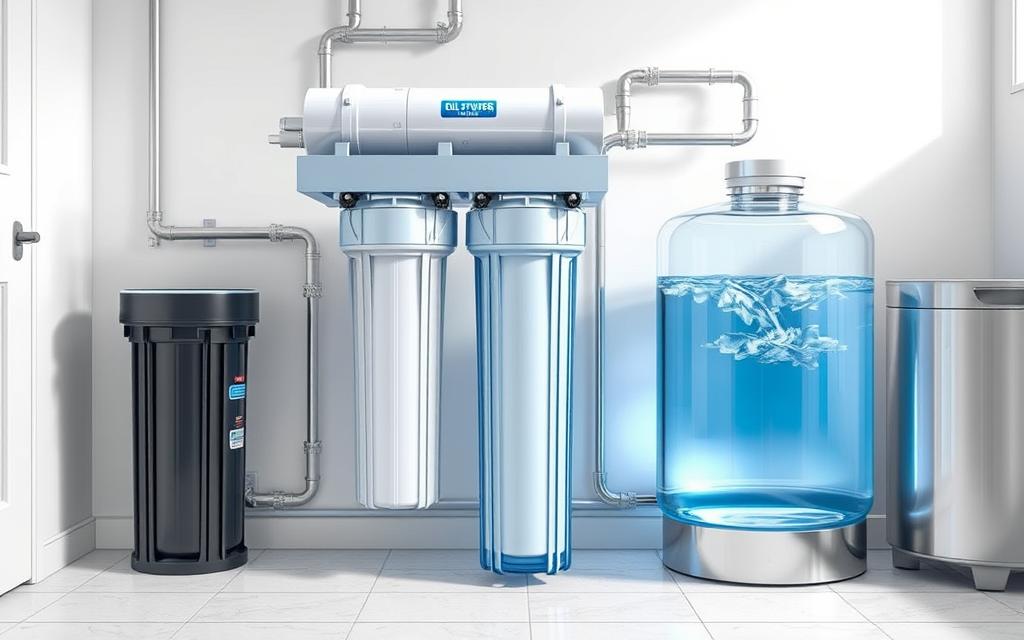
For the heavy lifters, consider a reverse osmosis (RO) system. Yes, it’s a bit extra—like the friend who brings a salad to a BBQ—but it removes everything from lead to pharmaceuticals. Just be warned: it produces wastewater, so it’s best paired with a whole home system if you’re serious about efficiency.
Then there’s the water softener. If you live in an area with hard water (read: your dishes look cloudy and your skin feels like sandpaper), this is non-negotiable. It swaps calcium and magnesium for sodium, making your water silky and your soap actually lather. Practical tip: Test your water hardness with a simple strip kit—it’s cheaper than guessing and way more satisfying than a home science experiment.
The Installation Plot Twist
Here’s the thing: installing a whole home system isn’t a weekend DIY project unless you’re secretly a plumber with a Pinterest board. You’ll need to cut into your main water line, which involves shutting off water to your entire house. That’s a strong argument for hiring a pro.
 Best Whole House Reverse Osmosis Water Filter Guide
The average cost for installation ranges from $500 to $3,000, depending on your home’s setup. But don’t let the price tag scare you—think of it as a long-term investment in your hydration and your home’s resale value. A well-maintained system can last 10 to 15 years.
If you’re renting or on a budget, start with a point-of-entry sediment filter (around $100) before the water heater. It won’t remove chemicals, but it will protect your appliances from grit. That’s the “I’m just here for a good time” option.
Maintenance: The Unsexy Secret
Here’s a reality check: a whole home system is not “set it and forget it.” You have to change the cartridges, backwash the media tank, and test the water every six months. It’s like owning a car—it requires care, but it also gives you freedom.
:max_bytes(150000):strip_icc()/aquasana-whole-house-well-water-filter-system-68651cbaa66a4921b287057afec93edf.jpg) The 8 Best Whole House Water Filters of 2024 to Improve Your Water Quality
The 8 Best Whole House Water Filters of 2024 to Improve Your Water Quality
Most systems have a digital display that reminds you when to swap filters. If yours doesn’t, set a calendar reminder for every six months. Pro tip: Pair it with your seasonal time change—fall back, change filters. You’ll never forget.
And here’s a fun fact that’ll make you feel fancy: whole home filtration systems were once only found in high-end spas and eco-lodges. Now, they’re the quiet luxury move for anyone who wants their daily shower to feel like a ritual, not a chore.
Cultural Touchpoints
Remember the Epcot water fountains that tasted like pure life? That’s the goal. Or think of those TikTok videos where people show their “golden hour” bathroom lighting with ice-cold, crystal-clear water pouring from a sleek tap. You can have that.
 Best Whole House Water Filter System — Guide & Reviews
In Japan, whole home filtration is basically standard in modern apartments—they call it “mizu oyogi” (water swimming) because the water feels soft enough to swim in. In Los Angeles, it’s the unofficial status symbol of anyone who’s ever complained about the city’s hard water and lived to tell the tale.
The big takeaway: Your water tells a story. With a whole home system, you can write a new one—one that doesn’t involve rust, weird smells, or hair that feels like straw.
A Final Reflection
I used to think filtered water was a luxury for the “wellness” crowd. But then my skin cleared up, my coffee stopped tasting like a public pool, and my washing machine stopped breaking down every two years. That’s not luxury; that’s self-respect in a pipe.
So, here’s the real question: when you turn on your faucet, what do you want to feel? If the answer is “clean, cool, and cared for,” then a whole home system is the handshake you need. It’s a small change that touches every part of your day—from your morning rinse to your evening glass of water. And honestly? You deserve that kind of consistency.
