Best Under Counter Reverse Osmosis System

So, you’re ready to talk under counter reverse osmosis systems. That’s like saying you want a mini science lab hidden under your sink, but one that doesn’t leak and ruin your...

So, you’re ready to talk under counter reverse osmosis systems. That’s like saying you want a mini science lab hidden under your sink, but one that doesn’t leak and ruin your floor. I’m here to help, and yes, I’ll try to make water filtration sound as fun as a Friday night—which, let’s be honest, is also mostly about staying hydrated.
First, let’s clear up a common myth. Reverse osmosis doesn’t just “filter” water; it psychologically interrogates every molecule until it confesses to being pure. Okay, not really, but it does use a semi-permeable membrane so tight that only water and a few tiny molecules get through. It’s basically the velvet rope at a club, but for your tap.
What Actually Happens Under Your Sink?
Imagine a tiny, industrious plumber who works 24/7. Your under counter system pushes tap water through a series of filters, then that skinny membrane, then a final polish. The result? Water so clean it makes bottled water look like pond runoff.
Must Read
Here is the surprising fact that will blow your mind: a standard reverse osmosis system can remove up to 99% of dissolved solids. That includes lead, chlorine, fluoride, and even the mysterious “wonky taste” from your grandma’s old pipes. It’s like having a tiny superhero in a plastic canister.
But wait—there’s a catch. These systems are slow. They produce water at a trickle, like a polite guest at a buffet. That’s why they come with a small storage tank, which looks like a mini water heater from a spaceship. You’ll never run out for your morning coffee, but you won’t be filling a swimming pool in five minutes.
Why Go Under Counter Instead of Countertop?
Countertop models sit there, taking up space and screaming, “Look at me, I’m a water filter!” Under counter models hide away like a secret agent. Your kitchen stays sleek, and you get a dedicated faucet that looks like it belongs on a premium yacht. Bonus points: no one has to see the plastic tubes.
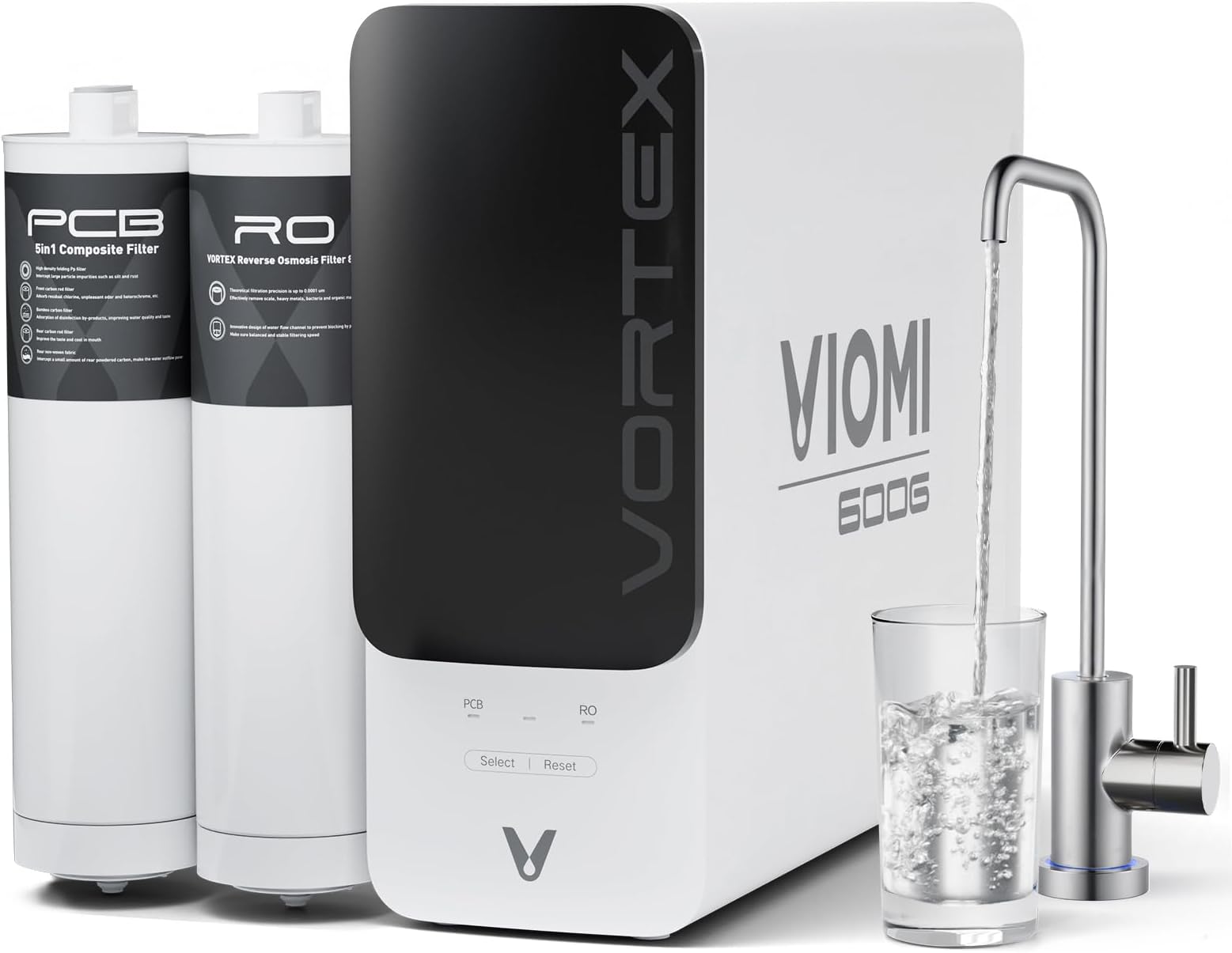 Reverse Osmosis Water Filter, TECASA Tankless Under Sink 5-Stage
The key upgrade is the dedicated faucet. It usually has a stylish, modern design. You’ll feel fancy every time you fill a glass, even if you’re just making instant ramen. It’s the little things, people.
What to Look for (Without Crying)
First, check the membrane size. A 50-gallon-per-day system is fine for a couple; a 100-gallon system is for families or people who drink water like it’s their job. Don’t buy a 25-gallon system unless you live in a dollhouse.
Next, look at the pre-filters. Most systems use sediment and carbon filters before the membrane. Carbon filters remove chlorine, which is the enemy of your svelte membrane. Without them, your membrane will clog faster than a teenager’s DMs after a breakup.
:max_bytes(150000):strip_icc()/best-reverse-osmosis-systems-4586893-jay-wilde-b88c627b82da4a93827ca422b1ad9b8e.jpg) Under Sink Reverse Osmosis
Under Sink Reverse Osmosis
Here’s a joke: An RO system walks into a bar. The bartender says, “Sorry, we don’t serve dissolved solids here.” The RO system says, “That’s fine, I’ll just take a tap water.” See? Water humor is real.
The Storage Tank: Friend or Foam?
That white or blue tank holds about 2-3 gallons of purified water. It uses air pressure to push water out, like a balloon that refuses to pop. Be warned: if you never use the system for a week, the water can get a bit “stale.” That’s called stagnation, and it’s the system’s way of sulking.
You can solve this by simply running the faucet for 10 seconds each day. Treat it like a goldfish—remember to feed it, but in this case, “feed” means “drain a little water.” Easy peasy.
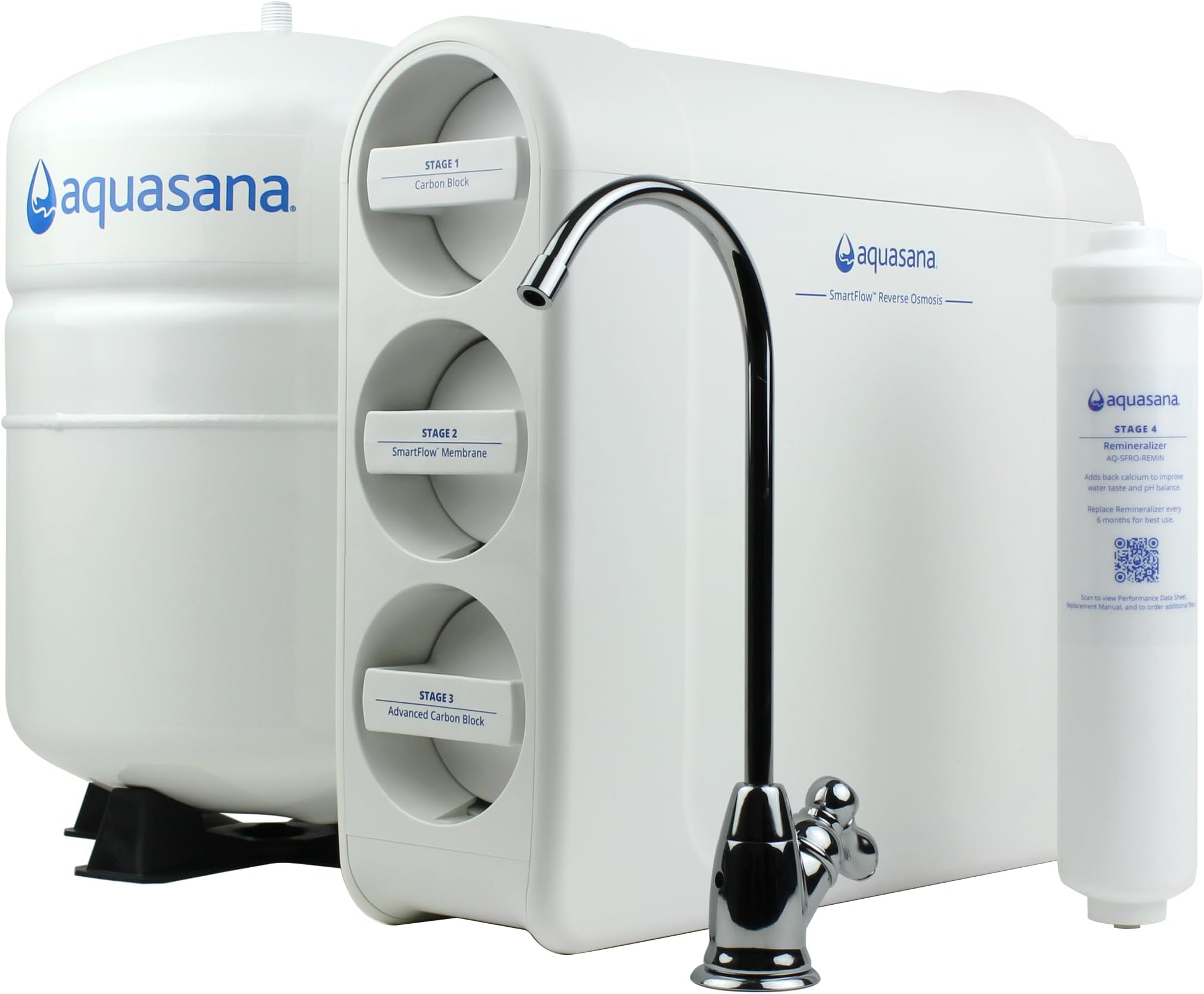 Aquasana SmartFlow™ Reverse Osmosis Water Filter System - High
The Best Under Counter Systems Right Now
For pure value, the iSpring RCC7 is the undefeated champion. It’s reliable, cheap, and works like a plumber with a grudge. The APEC ROES-50 is the silent workhorse, perfect for first-timers. If you want tech, the Waterdrop G3 has a touchscreen and no storage tank—it’s the Tesla of RO systems, though it’s half the price.
One weird thing: some systems include a “DI” (deionization) stage. This makes water so pure it can strip minerals out of your body. It’s overkill for drinking, but aquarium nerds love it for their $10,000 fish. You don’t need that. Stick to standard RO for your morning hydration.
Installation: You Can Do It (Maybe)
Installing an under counter RO system is like assembling IKEA furniture, but with water. You’ll need a drill for the faucet hole, some Teflon tape, and patience. Most kits come with clear instructions, but expect one tiny leak you’ll fix with a tightened hose. It’s a rite of passage.
 5 Best Under Sink Reverse Osmosis Systems of 2025 | Best Under Sink Ro
If you hate plumbing, hire a handyman. It costs about $100 and saves you from a kitchen flood that would require a boat. That’s cheaper than a new floor.
The Final Verdict
Should you buy one? If you’re tired of juggling water bottles that taste like plastic, or if your tap water smells like a swimming pool, absolutely yes. It’s a one-time cost that pays off in better coffee, clearer ice cubes, and no more existential dread about microplastics.
Just remember: reverse osmosis systems are simple machines that do a hard job. They’re not magic, but they’re the next best thing. And if your friends mock you for having a “science experiment” under your sink, just pour them a glass of perfect water and smile. They’ll be jealous in about three sips.
Now go, install your mini water purification lab, and drink like royalty. Your taste buds—and your dishwasher—will thank you.
