What Micron Filter Is Best For Well Water

So, you’ve got a well. Congrats! You’re now the proud owner of a personal, underground lake. But let’s be real: well water is a wildcard. It might taste amazing, or it could b...
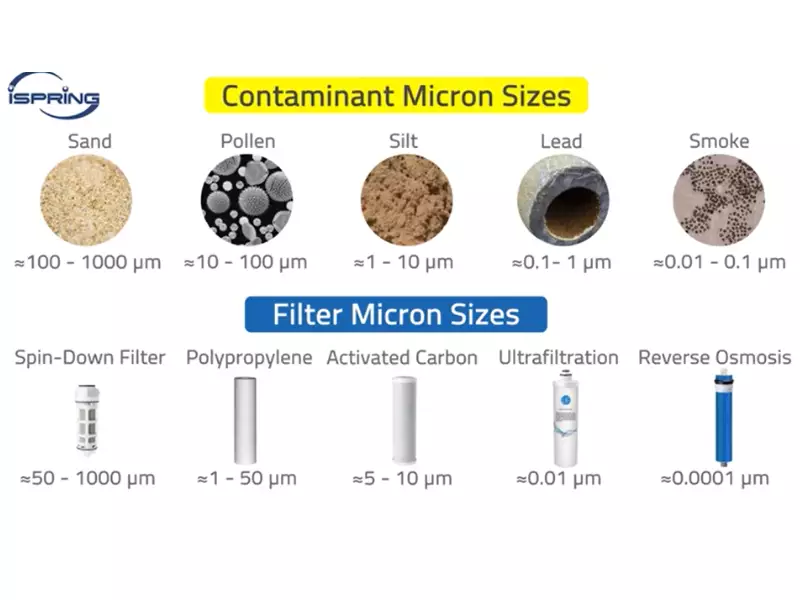
So, you’ve got a well. Congrats! You’re now the proud owner of a personal, underground lake. But let’s be real: well water is a wildcard. It might taste amazing, or it could be a science experiment of sand, silt, and mystery.
That’s where micron filters come in. Think of them as bouncers for your water. They decide what tiny party crashers get through. The big question is: which micron number is your water’s best friend?
Micron? Like a Mini-Me?
A micron is a unit of measurement. It’s one-millionth of a meter. To put it in silly human terms: a human hair is about 70 microns wide. So a 1-micron filter is catching things 70 times smaller than a hair. That’s tiny!
Must Read
Here’s a weird fact: a single grain of sand is about 500 microns. The E. coli bacteria? Just 0.5 microns. Your water is a battlefield of invisible monsters and mineral flecks.
So, picking the right micron is like choosing a net. Too big, and everything swims through. Too small, and it clogs instantly. Balance is everything.
The Heavyweight Champion: 5-Micron
For most well owners, 5-micron is the sweet spot. It catches sand, silt, rust, and most sediment. Your water stops looking like cloudy iced tea and starts looking… clear. It’s the “Goldilocks” of filters.
It’s not too tight, so water flows fast for showers and laundry. It’s not too loose, so your dishwasher doesn’t get sandblasted. Fun fact: a 5-micron filter is about the size of a red blood cell. Your water is basically getting a blood transfusion of clarity.
 What Micron Filter Is Best For Well Water: Ultimate Guide 2025 - RO System
But wait! If you have a lot of sand or “red water” (iron), a 5-micron can still clog fast. You’ll be changing it like underwear. That’s annoying.
The Overachiever: 1-Micron
Going down to 1-micron is next-level. This catches cyst parasites like Giardia and Cryptosporidium. Those are the microscopic villains that cause stomach nightmares. Think of it as your water’s personal bodyguard.
One micron can even trap some bacteria. But here’s the punchline: it also traps air bubbles. A 1-micron filter can make your water look milky for a minute. That’s just trapped air escaping—harmless, but freaky.
The downside? Flow rate. You’ll get a trickle. If you have a big family, get ready for long showers. It’s for drinking water only, not washing your muddy dog.
 What is a Water Filter Micron Rating?
The Underdog: 20-Micron (And Why You Need It First)
Don’t skip the 20-micron pre-filter. This is the entrance bouncer. It catches big chunks of grit, leaves, and tiny pebbles. Without it, your expensive 1-micron filter gets wrecked in a week.
Think of a 20-micron as the garlic crusher for your water system. It handles the rough stuff. Then the finer filter polishes it. Always stack them: 20 first, then 5 or 1.
Quirky fact: some wells have sulfur that smells like rotten eggs. A micron filter won’t fix that. That’s a whole different monster (carbon or aeration). Know your enemy.
The “Rule of Thumb” (Literally)
Here’s a pro trick: fill a clear glass with well water. Hold it up to light. If you see floating specks, start with a 20-micron. If it’s clear but tastes gritty, go straight to 5-micron.
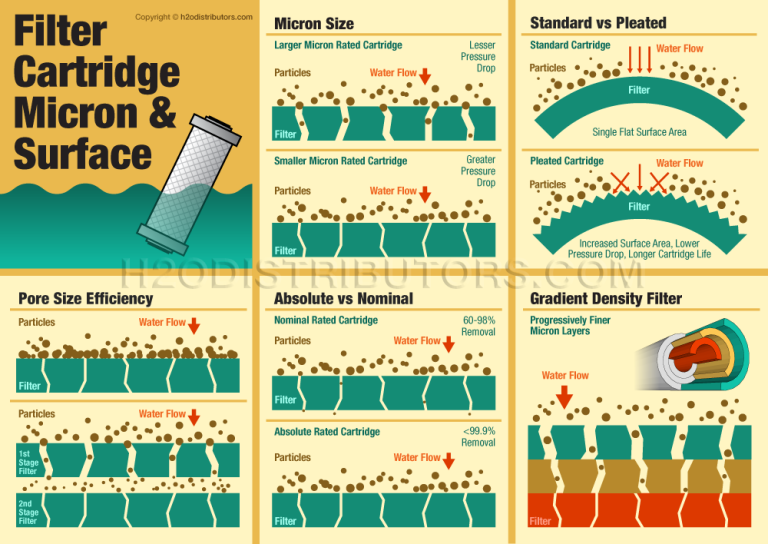 Optimal Micron Ratings: Your Guide to Clean Water
If your water is crystal clear but you still worry, do a test. A simple bacteria test is $20. It’s cheaper than buying the wrong filter and crying.
Never assume your well is pure. Rainwater picks up dirt, dead bugs, and mineral dust before it even hits the ground. Your well is a natural coffee filter—but not a perfect one.
The Sad Truth: No Single Filter Is Perfect
Micron filters are for sediment. They are not for chemicals, pesticides, or dissolved iron. That green gunk in your toilet is a different problem. For that, you need a sediment filter and a carbon filter. It’s a tag-team.
But for general well water? A 5-micron sediment filter is your MVP. Pair it with a 20-micron pre-filter. Change them every 3-6 months. Your water heater will thank you. Your skin will thank you.
 What Size Micron Filter for Well Water is Best?
Fun fact: if you let a 5-micron filter sit too long, it grows bacteria. So don’t be a lazy filter owner. Set a reminder. Your water is alive—literally.
The Final Verdict (No Drama)
Still confused? Here’s the cheat sheet:
• Lots of sand or grit → 50-micron pre-filter, then 20-micron, then 5-micron.
• Cloudy water, no weird smell → 5-micron is your hero.
• You’re a hypochondriac or have babies → 1-micron for the tap, 20-micron for the whole house.
• Water tastes like dirt → Add a carbon filter after the micron. You need both.
Remember: no filter makes your water “perfect.” It just makes it less gross. And that’s a win. Your well is a treasure chest of minerals and mystery. Own it. Filter it. Drink up.
Now go look at your filter. Is it dirty? Time to swap. Your water is waiting for its upgrade.
