The Best Water Filtration System For Home

Let’s be honest: tap water is a trust exercise. You pour a glass, eye it suspiciously, and wonder if that faint smell is "minerals" or a cry for help from the pipes. We’ve all...
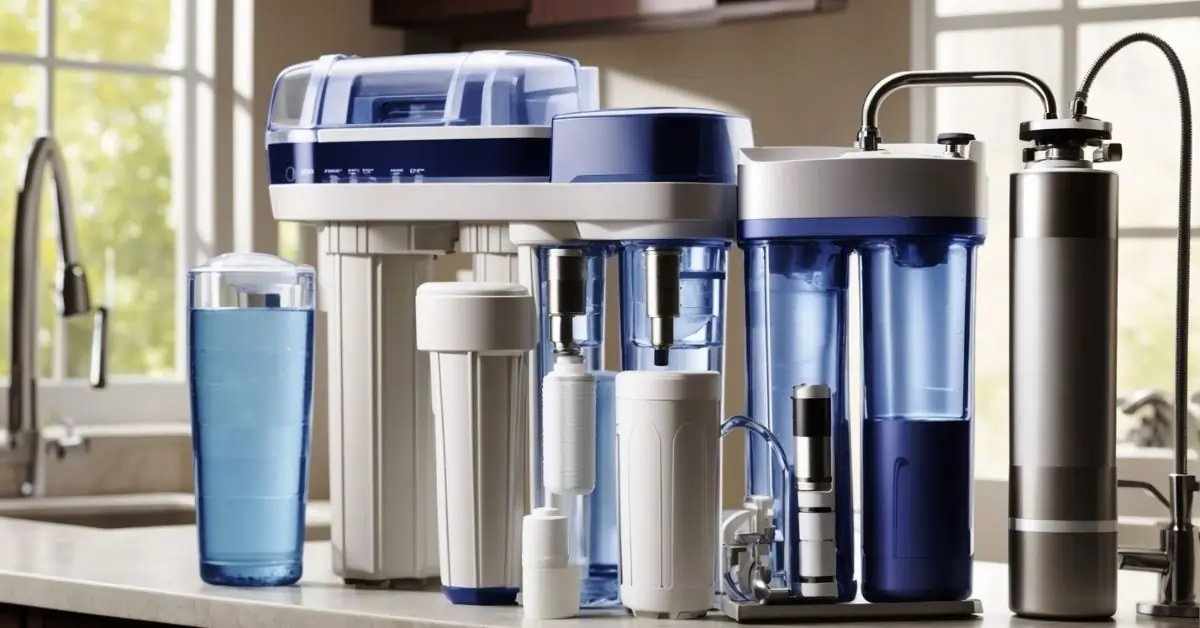
Let’s be honest: tap water is a trust exercise. You pour a glass, eye it suspiciously, and wonder if that faint smell is "minerals" or a cry for help from the pipes. We’ve all been there, staring into our drinking glass like it’s a Magic 8 Ball predicting “Bleach Later.” The solution? A water filtration system. But which one? Spoiler: it’s not the one that costs as much as a used car.
The "I’m Not a Chemist" Reality Check
First, a shocking fact: your bottle of "glacial spring water" might legally contain trace amounts of arsenic and uranium. Yup, the government says it’s fine, but I’d rather not play "nuclear roulette" with my morning coffee. Filtering at home isn’t just about taste—it’s about dodging uninvited guests like lead, chlorine, and microplastics. Think of it as a bouncer for your sink.
The good news: you don’t need a PhD in plumbing to get clean water. The bad news: there are 12 types of filters on Amazon, and half of them look like sci-fi props. Let’s cut through the marketing nonsense.
Must Read
Pitcher Filters: The Cute Beginner
The classic Brita pitcher is the goldfish of water filters—easy, cheap, and everyone has one. It removes chlorine and some bad tastes, which is great if your tap tastes like a swimming pool. But here’s the catch: it’s about as effective at filtering lead as a spaghetti strainer. Surprising fact: a single pitcher can cost you $200 a year in replacement filters. That’s 20 fancy lattes down the drain.
If your water is already decent, go for it. But if you live in an old house with "mystery pipes," this is like putting a bandage on a shark bite. Save it for the office fridge.
 Best Home Water Filtration Systems | How to Choose
Faucet-Mounted Filters: The Lawnmower of Hydration
These screw right onto your tap, and they’re perfect for renters who can’t wield a wrench. The PUR or Culligan models are popular, and they do remove lead and some contaminants. But here’s the joke: they slow your water flow to a dramatic trickle. Filling a pot for pasta becomes a 10-minute meditation exercise. Also, they look like a plastic tumor on your faucet. Style points: zero.
If you’re patient and hate installing things, this is your jam. Just don’t invite guests over for dinner—they’ll mock your "water robot."
Under-Sink Filters: The Secret Agent
Hidden under your sink like a spy, this system is the Volkswagen Beetle of filtration—reliable, affordable, and keeps your counter clean. The iSpring RCC7 or APEC Water systems use reverse osmosis (RO), which is fancy science for "makes your water nearly as pure as a baby’s soul." It removes 99% of contaminants, including lead, arsenic, fluoride, and that weird "rust" taste. Surprising fact: RO water is so clean it can actually pull minerals out of your body if you drink it exclusively. But relax—you’d need to drink a bathtub’s worth daily to notice.
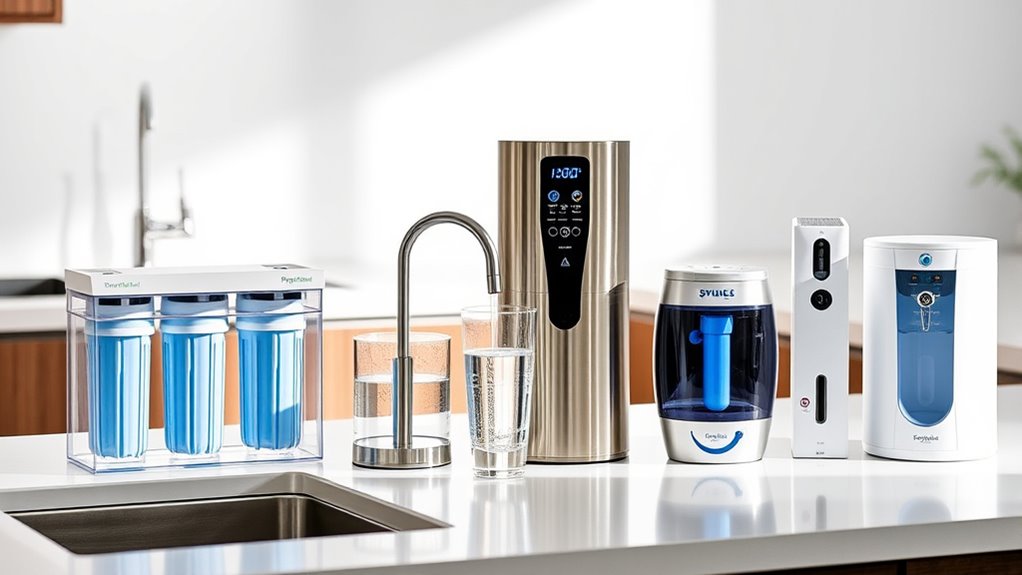 15 Best Water Filtration Systems for Your Home in 2025: Clean Water
Installation? You’ll need a drill and a YouTube tutorial, but it’s doable for an adult who can assemble IKEA furniture without crying. The downside: it wastes about 4 gallons of water for every clean gallon. Ouch. But if you have a garden, redirect that "waste" water to your tomatoes. They won’t complain.
Whole-House Filters: The Overachiever
This is the water filter equivalent of buying a tank to kill a mosquito. It hooks into your main water line and cleans every drop in your house—showers, toilets, garden hoses. Your hair will feel like silk, and your dishes will sparkle like a Disney movie. But it costs $1,000+ and requires a plumber, a sandbag, and possibly a blood sacrifice to the plumbing gods.
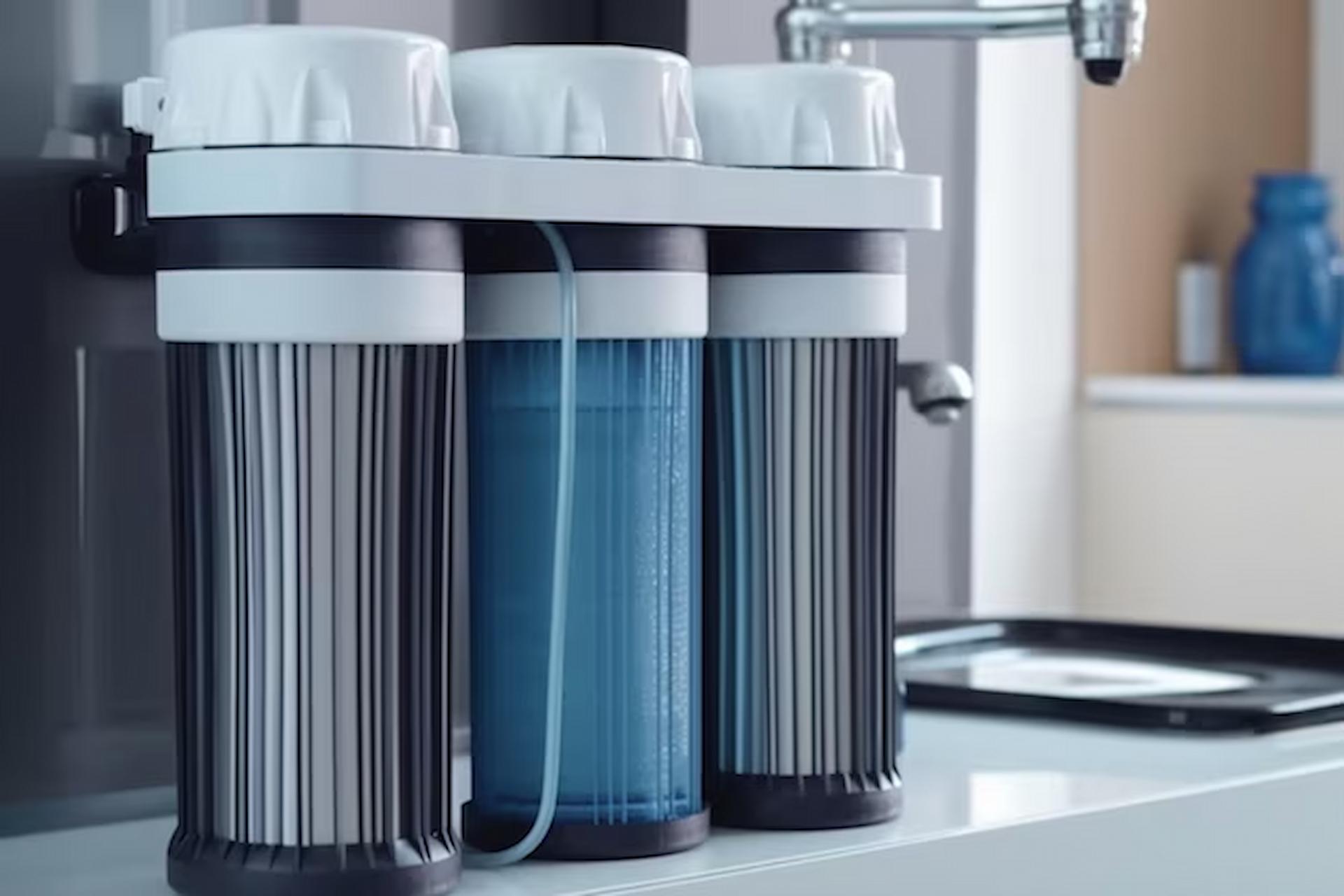 What to Look for in the Best Water Filter System for Your Home
Unless you live in Flint, Michigan, or have a secret phobia of hard water, skip this. It’s overkill for 99% of normal humans. However, if you have six children and a coal mine in your basement, congratulations: you’ve found your soulmate.
The Verdict: Pick Your Fighter
For most people, I recommend the under-sink reverse osmosis system. It’s the Goldilocks: not too cheap, not too expensive, and it actually works. Pair it with a remineralizing filter (a $30 add-on) to put good minerals back in, so your water isn’t "scary pure." Total cost: about $200 upfront, then $50 a year for filters. That’s cheaper than buying bottled water for a month.
Or, if you’re broke and lazy, get a pitcher. It’s better than nothing. Just know that you’re basically drinking fancy tap water with a little less chlorine. And hey, chlorine kills bacteria, so it’s not all bad. Let’s call it a "mineral-enhancing preservation system." Okay, that’s a lie. But your water will taste better, and I’ll promise not to judge your sink tumor.

