Best Whole House Water Filter For Sediment

Last spring, I turned on my kitchen faucet and out came a stream the color of weak iced tea. My first thought? Great, the neighborhood is having a “rust chic” party, and I was...
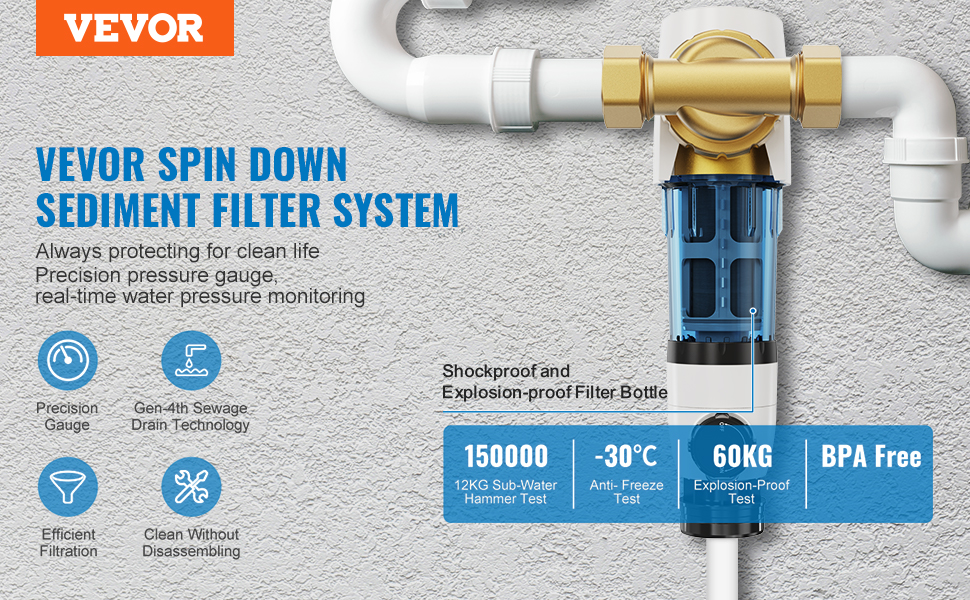
Last spring, I turned on my kitchen faucet and out came a stream the color of weak iced tea. My first thought? Great, the neighborhood is having a “rust chic” party, and I wasn’t invited. I spent the next hour digging brown sludge out of my coffee maker’s filter, muttering curses at the municipal water supply. That’s when I realized: sediment is the silent enemy of every home appliance you own—and your sanity.
Sediment isn’t just gross; it’s like sending a tiny rock tumbler through your pipes. Sand, silt, rust flakes—they grind down your water heater, clog your showerheads, and make your washing machine work twice as hard. If you’ve ever replaced a faucet aerator and found it packed with grit, you know the pain. The solution? A whole house water filter for sediment. Trust me, it’s cheaper than therapy.
What exactly does a whole house sediment filter do?
Think of it as a bouncer for your home’s plumbing. It catches all the nasty particles before they reach your taps, toilets, and appliances. Unlike a pitcher filter (which only fixes drinking water), this bad boy treats every drop entering your house. That means clearer ice cubes, longer-lasting water heater, and showers that don’t smell like a muddy basement.
Must Read
The magic happens inside a big canister—usually blue or clear plastic—that holds a replaceable filter cartridge. Water flows through the cartridge, and the sediment gets trapped in the filter media. Simple physics, massive payoff. You just swap the cartridge every few months, and your plumbing breathes a sigh of relief.
The “micron” game: why size matters
Here’s where things get nerdy—but stick with me. Filter ratings are measured in microns. A 5-micron filter catches particles smaller than the width of a human hair. A 50-micron filter is more like a chain-link fence—great for big chunks, but useless against fine silt. For most homes, I’d recommend a 20 or 30 micron filter as a starting point. It’s the Goldilocks zone: catches the bad stuff without slowing water pressure to a trickle.
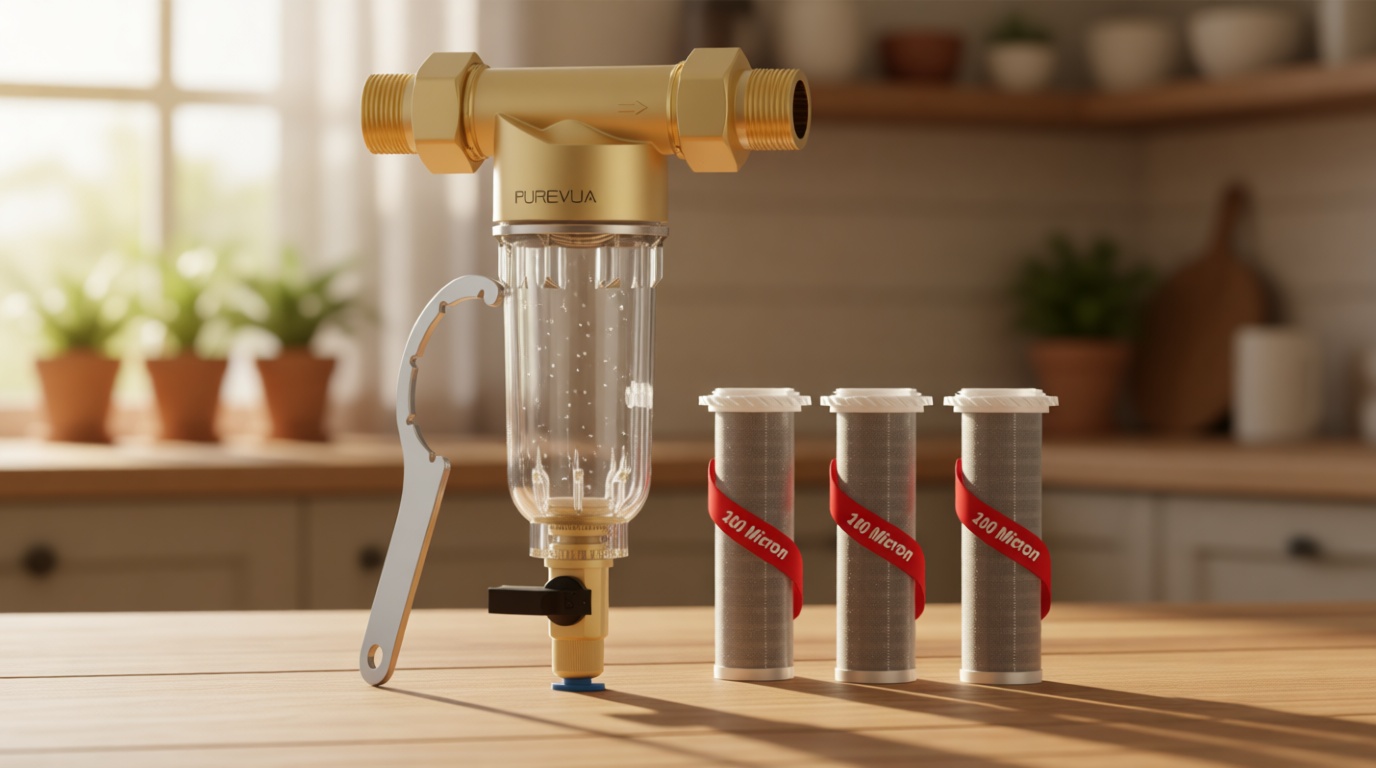 15 Best Sediment Filter For Well Water in 2026 (Buyers Guide) - Burning
Pro tip: if you’re on well water, you’ll likely need a 5-micron or even 1-micron filter because wells love to pump up fine clay (and sometimes tiny creatures—yikes). City water users can usually get away with coarser filters, since the municipality already removes the big stuff. But hey, your local pipes might disagree.
Top picks for 2024: the ones that won’t let you down
Okay, let’s talk brands. I’ve tested a few, and my wallet has strong opinions. The iSpring WSP50 is a crowd favorite—it’s affordable, super easy to install (I did it in 20 minutes while sipping coffee), and handles heavy sediment like a champ. The cartridge lasts about 3-6 months, depending on your water quality. Warning: if you have chronic hard water, you might need a pre-filter for scale, too.
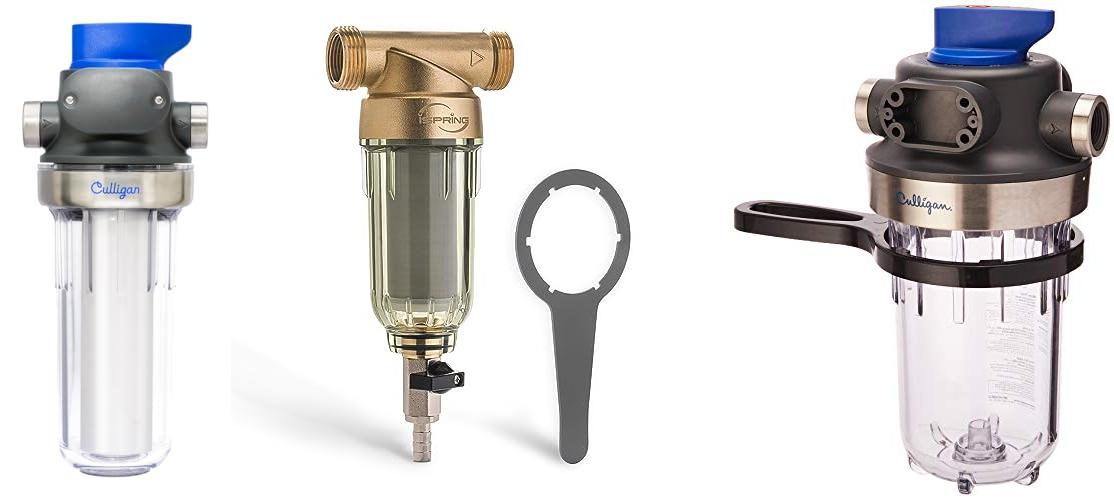 Top 5 Whole House Water Filters: Sediment Removal Reviews & Guide
If you want a heavy-duty beast, check out the Rusco Spin-Down Sediment Filter. This one uses a reusable stainless steel mesh—no cartridges to buy. You just open a valve and spin out the gunk by hand. It’s ideal if you have large amounts of sand or gravel (think rural or coastal areas) and hate ongoing costs. The downside? It doesn’t catch super fine particles, so it’s best paired with a secondary carbon filter.
For the tech nerds (I see you), the Pentair Pentek DGD-5005 is the gold standard. It’s a big blue canister with a massive flow rate—great for large households. You can pair it with a timer or pressure gauge to know exactly when to swap the cartridge. This is the “set it and forget it” option, but it costs a bit more upfront. Worth it for peace of mind.
Installation: you can do it (really)
Installing a whole house sediment filter is surprisingly DIY-friendly. Most kits come with a bypass valve and push-fit connectors, so you don’t need to solder copper pipes. Find the main water line entering your house (usually in the basement, garage, or crawlspace), cut the pipe, and attach the filter housing. Pro tip: install a shut-off valve before the filter so you can change cartridges without flooding your basement.
 Best Whole House Water Filters for Sediment Removal and Cleaner Water
If plumbing gives you the jitters, hire a plumber—it’s a one-hour job. But honestly, watching a YouTube tutorial and sweating through one trip to the hardware store will save you $200. Just don’t overtighten the housing; hand-tight is enough, or you’ll crack the plastic on cartridge change day. Don’t ask how I know.
Maintenance: the only annoying part
Okay, I won’t sugarcoat it—you have to change the cartridge. Every 3-6 months, depending on your sediment load. If you ignore it, the filter clogs, water pressure plummets, and you’ll be back to brown tea from the tap. Set a reminder on your phone. Mark it on a calendar. Name it “Sediment Day” and treat yourself to a pizza afterward.
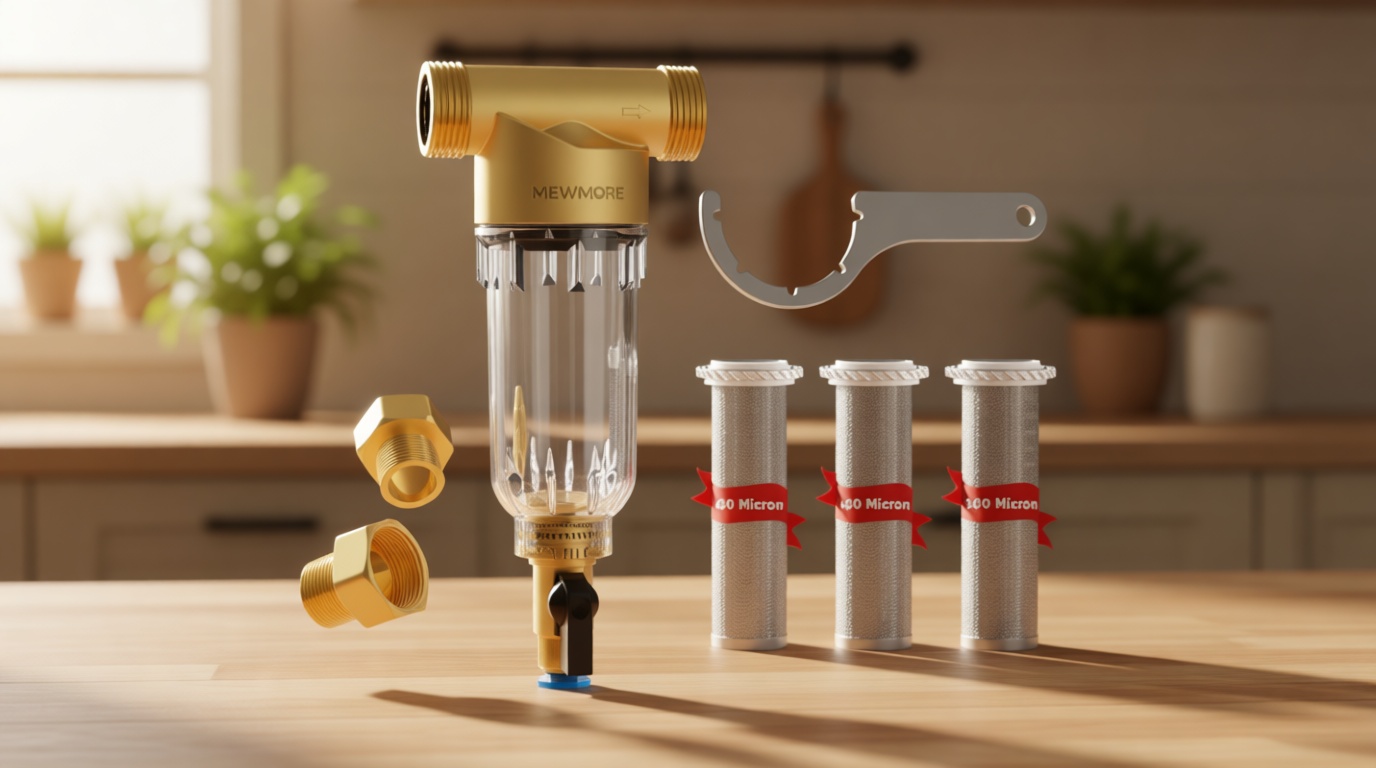 15 Best Sediment Filter For Well Water in 2026 (Buyers Guide) - Burning
Some filters have a clear sump so you can see when it’s full of gunk—which is both satisfying and horrifying. Trust me, the first time you see a slimy orange blob in there, you’ll never skip a change again. It’s like a trophy of all the crap you’ve saved from your family’s lungs and pipes.
One last thing: don’t forget to flush the system after installation. Run an outdoor tap for 10 minutes to clear out any debris from the installation. Your toilet will thank you—and so will your future self when you’re not replacing a $500 water heater every two years.
So, go ahead. Give your pipes the gift of clean water. Sediment doesn’t stand a chance.
