Best Water Filtration System For Restaurant

Let’s be honest: running a restaurant is a bit like juggling flaming torches while riding a unicycle. You’ve got food quality, customer service, staffing, and the ever-present...

Let’s be honest: running a restaurant is a bit like juggling flaming torches while riding a unicycle. You’ve got food quality, customer service, staffing, and the ever-present hum of the ice machine. And right in the middle of all that chaos sits something you probably don't think about enough: your water.
I remember my friend Dave’s little diner. He spent a fortune on fancy coffee beans, but the coffee still tasted like Monday morning regret. Why? The water. It was hard, bitter, and full of chlorine. A simple water filter turned his coffee from “meh” to “magic.” Suddenly, customers were asking for refills.
Here’s the thing: water is the most important ingredient you never list on the menu. It makes up your coffee, your tea, your soups, and even your steamed vegetables. Bad water doesn’t just taste bad; it makes everything around it taste a little sad.
Must Read
Why Your Restaurant’s Water Matters (More Than You Think)
Imagine you’re the customer. You order an iced tea, and it has a faint “pool water” aftertaste. You’ll probably blame the tea bags, not the water. But the water is the real culprit. A good filtration system saves you from these little heartbreaks.
Think about your soda gun. Those syrups are expensive, and you don’t want the carbonation to fall flat because of sediment. Clean water keeps your drinks crisp and your soda machine from turning into a lime-scale monster that drives the repair guy crazy.
And let’s talk about your equipment. Hard water is like a tiny army of mineral gremlins. They build up inside your dishwasher, your ice machine, and your espresso maker. This means faster breakdowns, higher energy bills, and a whole lot of grumpy calls to your plumber.
 Best Water filtration for restaurants in 2024
The Simple Choice: Whole House vs. Under-Sink
You really have two main paths. The first is a whole-house or point-of-entry system. This filters all the water coming into your restaurant. It’s the “set it and mostly forget it” option. It’s great for protecting all your pipes and big equipment.
The second is an under-sink or point-of-use filter. This lives right under your prep station or coffee bar. It’s cheaper, easier to install, and perfect if you mainly want to improve the taste of drinking water and ice. Think of it as the spotlight filter—only the water that gets served gets the VIP treatment.
For most small restaurants, a combination is the sweet spot. A basic whole-house filter for sediment and big particles, plus a high-quality under-sink reverse osmosis (RO) system for the coffee and bar station. You get protection and perfect taste.
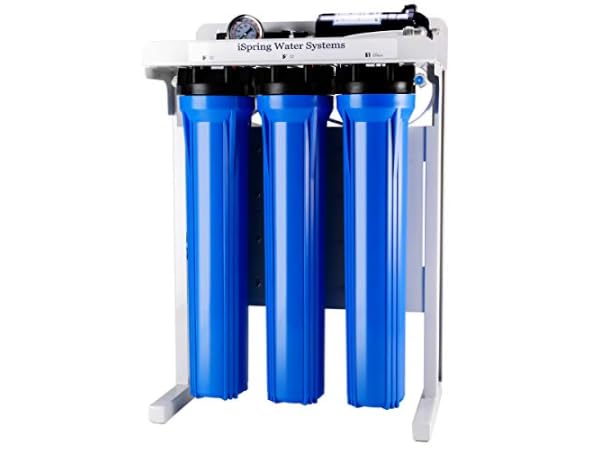 The 10 Best Water Filtration Systems for Commercial of 2025 (Reviews
What to Look For (Without a Science Degree)
You don’t need to become a water chemist. Just look for a few key terms. Carbon filtration is your best friend. It removes chlorine, bad tastes, and odors. It’s like a breath mint for your tap water.
Reverse osmosis (RO) is the big gun. It removes just about everything—minerals, lead, even some bacteria. If you serve high-end coffee or clear ice, this is your golden ticket. Just remember, RO systems can be a bit slow, so you might need a small storage tank.
Here’s a practical tip: check the filter’s flow rate. You need a system that can keep up with your peak lunch rush. A filter that’s too slow means your waitstaff is standing there, tapping their feet, waiting for a glass of water. Nobody wants that awkward moment.
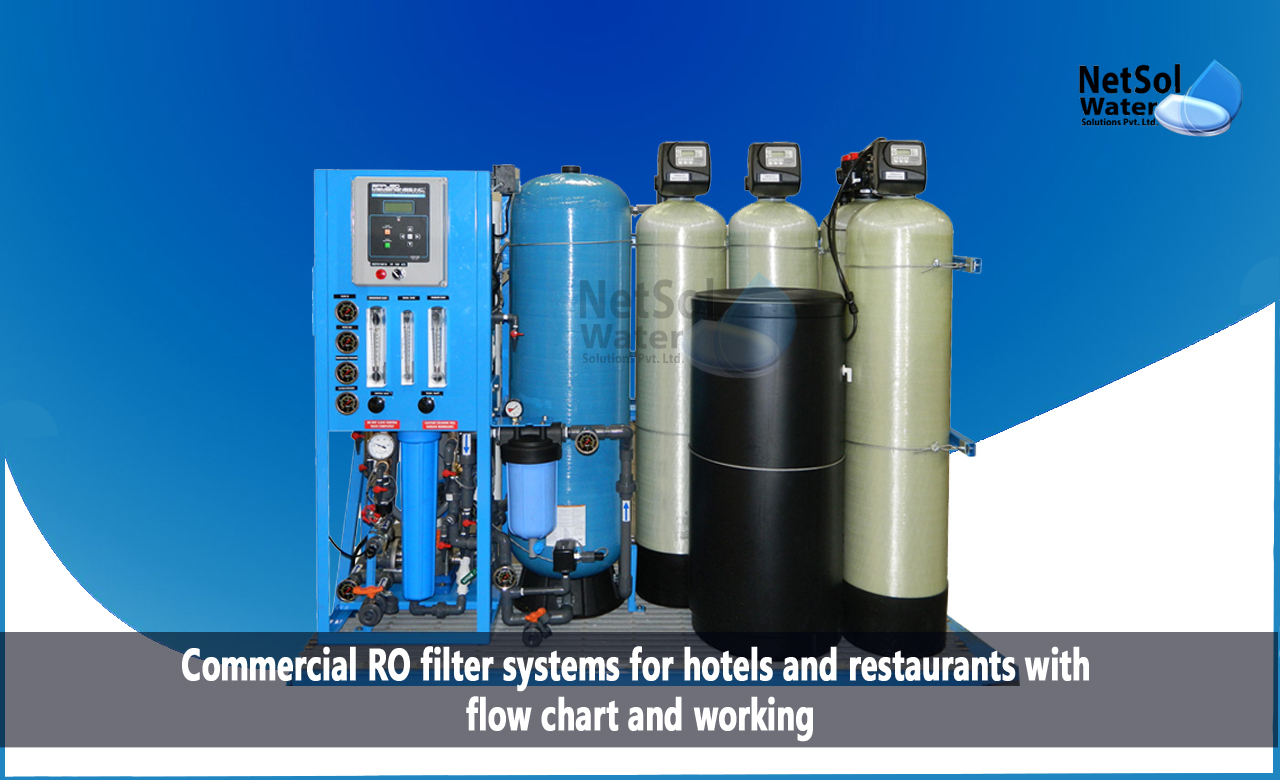 Water Filtration Systems For Commercial Use at Ben Gruner blog
The Budget-Friendly Reality Check
You don’t have to spend a million bucks. A decent whole-house carbon filter for a small cafe might cost as little as a few hundred dollars. A commercial-grade RO system for your bar might set you back $1,000 to $2,000. But compare that to the cost of a single service call for your broken ice machine.
I knew a pizza place owner who ignored his water for years. His ice machine died. The repair guy pointed to a thick, white scale buildup and said, “This is like concrete.” The fix cost more than a brand new filter system would have. He learned the hard way.
Think of it this way: a water filter isn’t an expense; it’s an insurance policy for your flavor and your equipment. Plus, you get to brag that your tap water is better than bottled. That’s a nice feeling.
 5 Best Water Filter Systems for Restaurants
Making It Easy (The Takeaway)
Start small. Test your water with a simple TDS (total dissolved solids) meter. They cost twenty bucks online. It’ll tell you how much “stuff” is in your water. If the number is high, it’s time to pay attention.
Talk to a local water treatment company. They’ll test your water for free and give you a quote. Tell them what you serve—coffee, tea, soda, or just plain tap—so they can match the filter to your needs. Don’t be shy; they love geeking out about water.
Finally, remember Dave’s diner. He now has a simple two-stage carbon filter on his main line and a tiny RO unit under the coffee counter. His coffee won a local “Best Brew” award last year. All because he stopped treating water like an afterthought.
So go ahead, give your water a little love. Your taste buds, your equipment, and your accountant will all thank you. And honestly, isn’t a perfectly crisp glass of water the simplest way to make someone smile? I think so.
