Best Ultrapure Water System For General Chemistry

So, you’re diving into general chemistry—the land of bubbling beakers, colorful titrations, and that one lab partner who *always* forgets to label their flask. Fun, right? But...
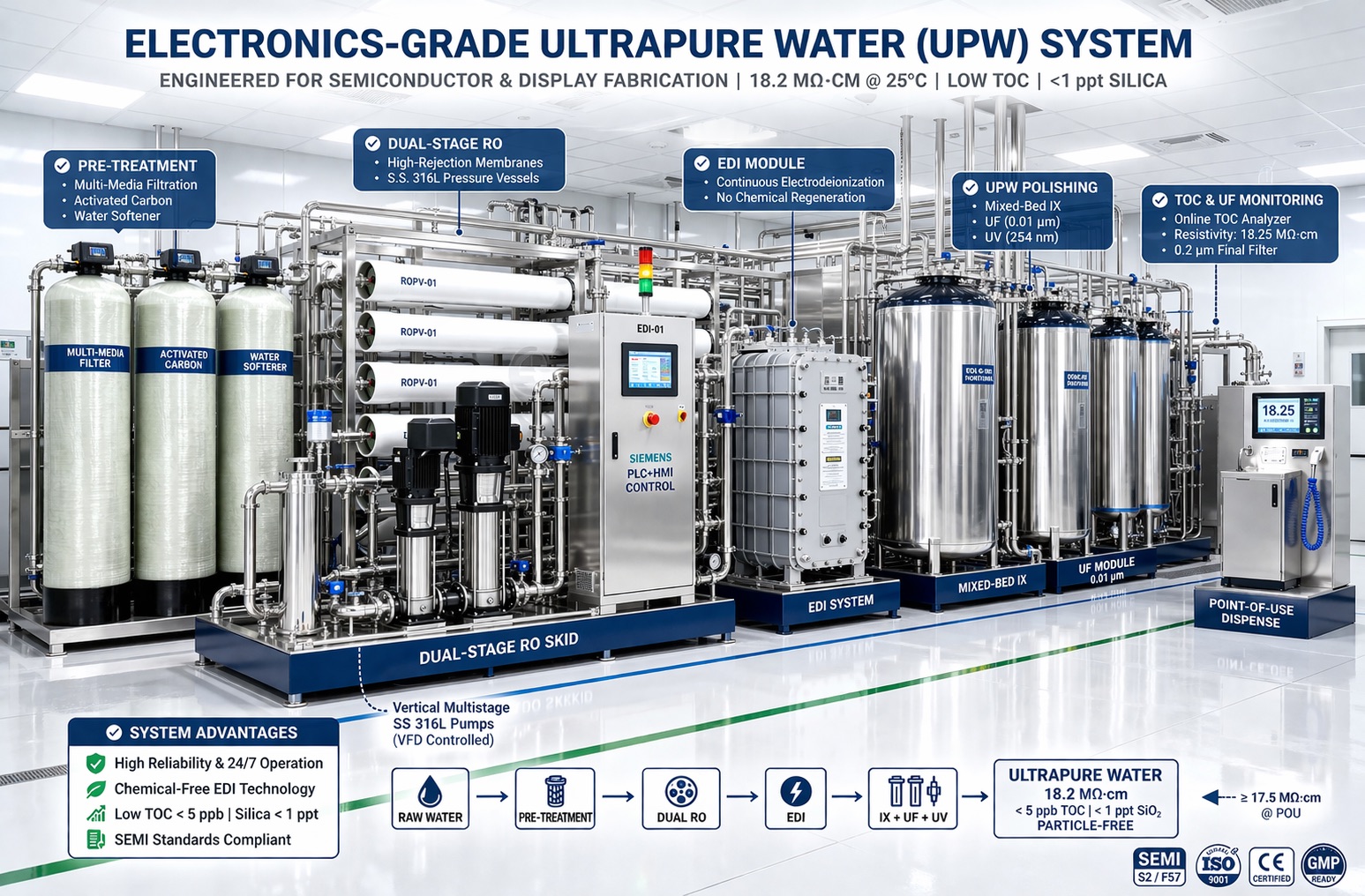
So, you’re diving into general chemistry—the land of bubbling beakers, colorful titrations, and that one lab partner who always forgets to label their flask. Fun, right? But before you can wow your professor with a perfectly neutralized solution, you need the secret weapon of every lab: ultrapure water. Trust me, tap water is a party crasher full of ions, bacteria, and mystery minerals that’ll ruin your experiment faster than a spilled coffee.
Why Your Chemistry Needs a Water Superhero
Think of ultrapure water as the cleanroom of H₂O. It’s stripped of almost everything—no dissolved salts, no organic goop, no tiny particles. For general chem, this means your reactions won’t get sidetracked by sneaky impurities. Imagine trying to bake a cake with salt instead of sugar—that’s what tap water does to your acid-base titrations.
The best ultrapure water system for general chemistry is the one that delivers 18.2 megaohm-cm resistivity (fancy speak for “super pure”) without costing your student budget a kidney. You want a system that’s easy to use, because you already have enough to remember—like where you put your lab goggles.
Must Read
What to Look For: The “Goldilocks” of Water Systems
First up, resistivity. You want that magical number of 18.2 MΩ·cm. If it’s lower, your water is a gossipy pool of ions interfering with your work. But don’t stress—most benchtop systems for general chem hit this mark easily. Next, check for total organic carbon (TOC) under 10 ppb. That’s like having a single grain of sugar in an Olympic swimming pool—basically nothing.
Also, look for a system that fits on your bench. I once saw a giant, industrial-looking unit that looked like a spaceship console. My advice? Keep it simple. A compact model with a dispensing gun or a touch screen is your friend. No one wants to wrestle a fire hose during a lab rush.
 What is meant by ultra-pure water? - A&C Pure Water Treatment
Top Contender: The ELGA PURELAB Flex
This little beast is the darling of general chemistry labs. It delivers ultrapure water on demand, has a color-coded display that says “go” or “stop,” and even reminds you to change the filters—like a nagging but helpful roommate. The Flex series is modular, meaning you can add a polishing pack if your experiments get fancy later.
Why it wins: It’s user-friendly (no PhD required to operate it) and reliable. Plus, it has a cute name that sounds like a yoga pose. What’s not to love?
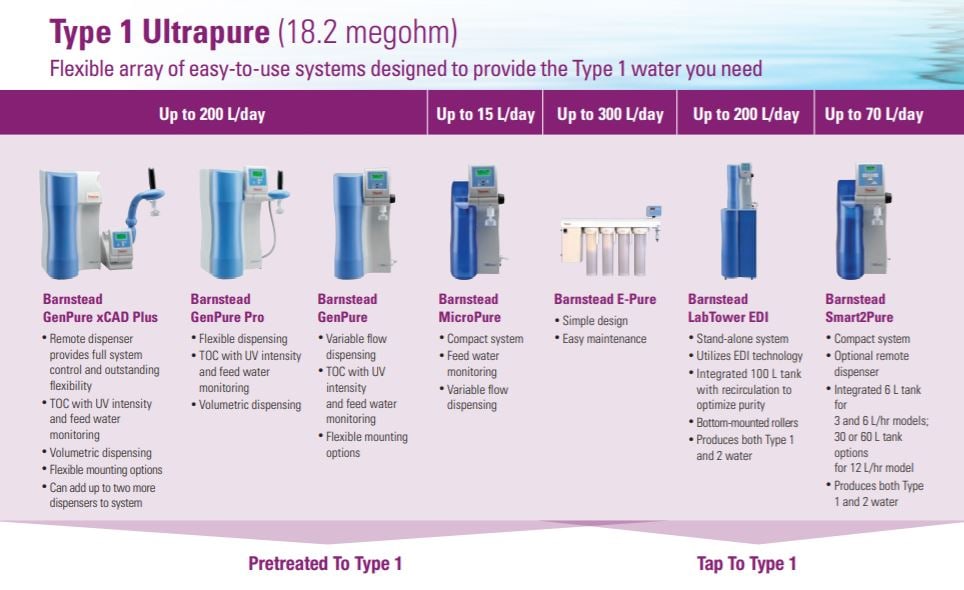
Budget Hero: The Thermo Scientific Barnstead GenPure
If your wallet is crying (hello, student loans), the Barnstead GenPure is your budget bestie. It’s like the reliable sedan of water systems—gets you where you need to go without flashy gadgets. It produces 18.2 MΩ·cm water and has a recirculation loop that keeps the water fresh, even if you don’t use it for a day.
 Type 2 Water | Laboratory Grade Water Tutorial – ZMIF
The downside? The controls are a bit retro—think old-school microwave buttons. But hey, it works perfectly for general chemistry labs where you’re mostly doing dilutions, buffer prep, and rinsing glassware. And it won’t make you skip a meal.
The “Set It and Forget It” Star: Milli-Q IQ 7000
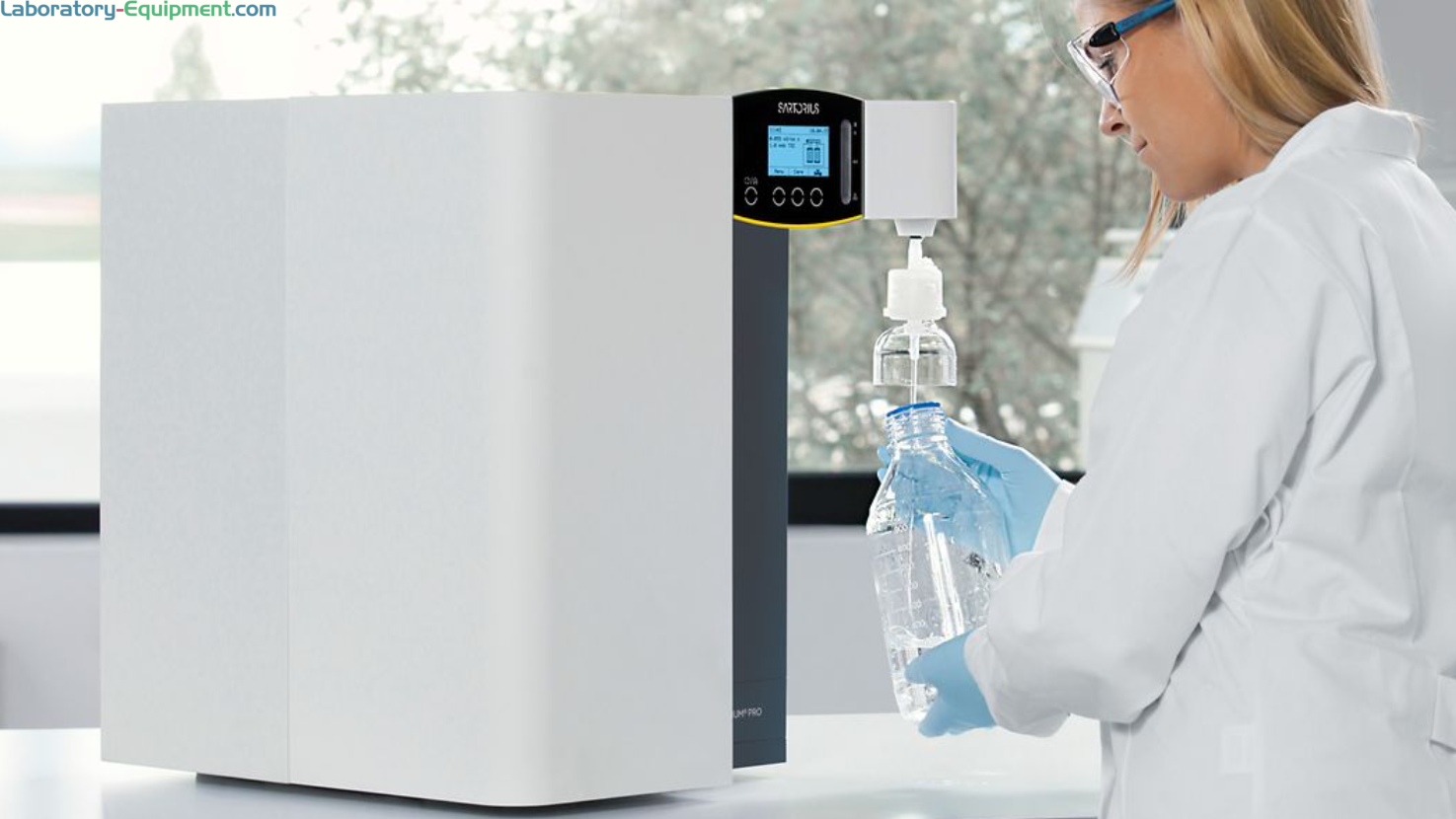
Okay, this one is the luxury sports car of water systems. It’s from MilliporeSigma, and it’s basically the Apple product of lab gear—sleek, touchscreen, and annoyingly smart. It tracks your water quality in real time, sends data to your phone (yes, your phone!), and even tells you when your filters are sleeping on the job.
For general chemistry, it’s overkill but glorious. If you’re in a well-funded university lab or your PI is feeling generous, grab it. You’ll feel like a mad scientist every time you dispense a drop. Just don’t get attached to the price tag—it’s a serious investment.
 Water Purification Systems and Accessories | Laboratory Equipment
My Personal Fave for General Chemistry
If I had to pick one system for a standard teaching lab, it’d be the ELGA PURELAB Flex 2. Why? It’s tough (survives clumsy students), easy to maintain (filter changes take two minutes), and quiet. I’ve used it in a packed lab where everyone was shouting “I need water!” and it delivered without a fuss.
Plus, it has a continuous resistivity display so you can actually see the purity climbing when you run the system. It’s oddly satisfying—like watching a bar fill up in a video game. Total win for general chemistry experiments.
A Few “Don’t Do That” Tips
Don’t store your ultrapure water in a dirty beaker. That’s like taking a shower and stepping into a mud puddle. Use a clean plastic bottle or the dispenser directly. Also, don’t let the water sit out overnight—it absorbs CO₂ from the air and becomes slightly acidic. Fun fact: that’s called “carbonated water,” and it ruins your titration results.
 Ultrapure Water System:How Long Does It Last?
And please, flush the system weekly if you don’t use it often. Stagnant water grows bacteria faster than your fridge leftovers. A two-minute flush keeps everything fresh and your chemistry accurate.
Conclusion: You’ve Got This (and the Water, Too)
Choosing the best ultrapure water system for general chemistry doesn’t have to be a headache. Whether you go with the ELGA Flex for its zen simplicity, the Barnstead GenPure for its budget-friendly soul, or the Milli-Q IQ 7000 for its sci-fi swagger, the key is getting water that’s pure enough to let your chemistry shine. Remember, you’re not just fighting ions—you’re mastering the art of clean reactions.
So go ahead, pour that ultrapure water into your flask, and feel like a boss. Your experiments will be reproducible, crisp, and textbook-perfect. And when your classmates ask, “How did your titration come out so flawlessly?” just smile and say, “It’s the water, my friend. It’s always the water.” Now go make some pure magic (and maybe clean up after yourself). You’ve got this—and the water’s got your back. 😊
