What Is The Best Water Filtration System For Your Home

You know that feeling when you fill a glass from the tap, and it smells a little like a swimming pool? Or maybe it tastes vaguely of metal or dirt. That’s your water telling y...

You know that feeling when you fill a glass from the tap, and it smells a little like a swimming pool? Or maybe it tastes vaguely of metal or dirt. That’s your water telling you a story, and honestly, it’s not always a good one.
The truth is, most of us don’t think about our water until we have a bad cup of coffee. That bitter taste? It might not be the beans—it could be the chlorine or minerals in your tap water messing with the flavor.
So, what’s the best water filtration system for your home? Grab a mug of something drinkable, and let’s sort this out together. Spoiler alert: there’s no one-size-fits-all answer, but there is a perfect fit for you.
Must Read
Why you should even care (and why your taste buds will thank you)
Imagine you’re making a big pitcher of iced tea for a barbecue. You brew it perfectly, add a little lemon, and then—plop—you pour in tap water. Suddenly, your tea tastes like a chemistry experiment. That’s the kind of letdown a good filter prevents.
Beyond taste, filtered water can be kinder to your skin, your pipes, and even your wallet. No more buying single-use plastic bottles that guilt-trip you from the recycling bin.
Plus, clean water just feels better. You pour a glass, drink it in one go, and think, “Wow, this is what water is supposed to taste like.” It’s a small daily win.
The great filter showdown: what’s out there?
Pitcher filters (the beginner’s best friend)
You’ve seen these in every grocery aisle—Brita, PUR, the generic blue ones. They’re cheap, cute, and they sit in your fridge like a little water guardian. They’re great for improving taste and reducing chlorine.
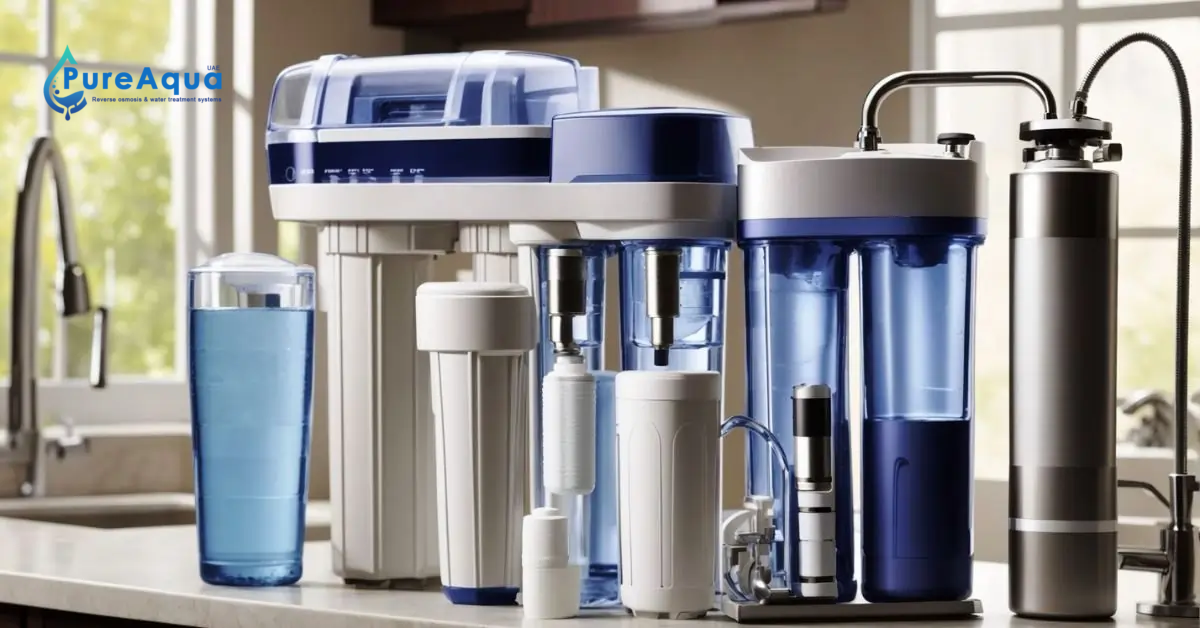 Choose the Best Water Filtration Systems for Your House
But here’s the catch: they won’t remove heavy metals or serious contaminants. Think of them as the gateway drug to better water. Perfect if you’re renting or just starting out.
Story time: My friend Sarah used a pitcher for years. She said her water tasted “like a hug.” I think she meant “neutral and cold.” Either way, she was happy until her tap started tasting like pennies. Then she upgraded.
Faucet-mounted filters (the space-saver)
These screw right onto your tap. No fridge space needed, no messy pouring. Just flip a switch for filtered or unfiltered water. It’s like having a secret superpower at your sink.
They’re good for everyday drinking and cooking. But they can slow down your water flow, and the filter needs replacing every few months. Still, for under $50, it’s a solid, practical choice.
My uncle Bob loves his. He says it “makes his coffee taste like a diner breakfast, but in a good way.” That’s high praise from a man who pronounces “espresso” wrong on purpose.
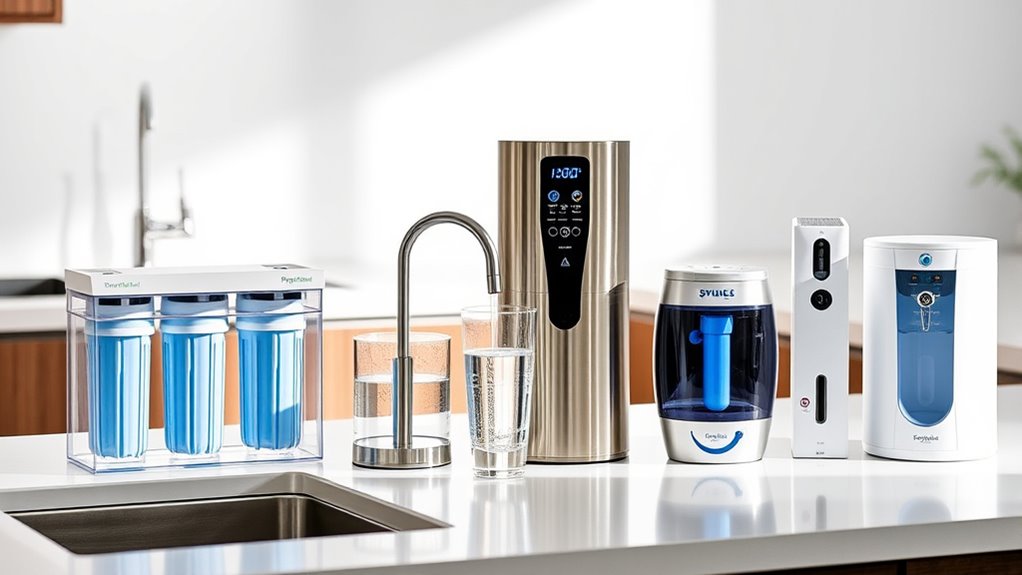 15 Best Water Filtration Systems for Your Home in 2025: Clean Water
Under-sink systems (the grown-up move)
This is where we get serious. A system lives under your kitchen sink, out of sight, and sends clean water through a dedicated faucet. It’s like having a secret waterfall in your kitchen.
These use either carbon filters (good for taste and odor) or reverse osmosis (the heavy lifter that removes lead, arsenic, and even fluoride). They’re more expensive—$150 to $500 upfront—and require installation.
But they’re a game-changer. My neighbor Jen got one after her kids complained about the tap water. Now she says, “My kids drink water like it’s juice. It’s a miracle.” That’s a parenting win right there.
Whole-house filters (the kitchen sink of options)
This is the Cadillac of filtration. It hooks up where your water comes into the house. Every faucet, shower, and ice maker gets filtered water. You’ll shower in water that feels softer, and your appliances will thank you.
It’s expensive—$1,000 to $3,000 installed—and it’s overkill if you only care about drinking water. But if you have hard water or live near an old industrial area, it’s worth every penny.
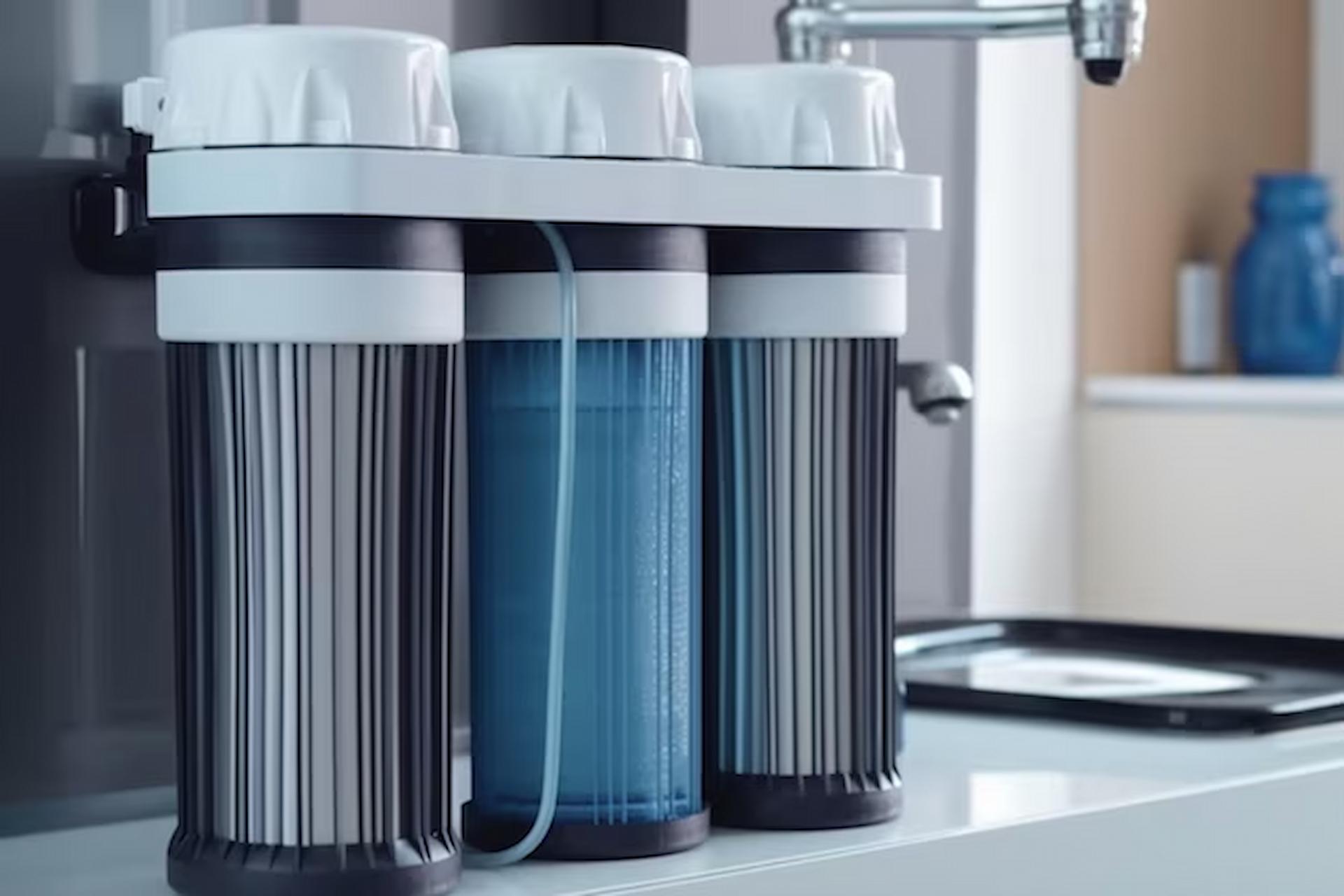 What to Look for in the Best Water Filter System for Your Home
My friend Dave did this after his skin got dry and itchy from city water. He said, “I feel like I’m bathing in a mountain stream.” I think he’s being dramatic, but his skin does look better.
How to pick the right one for your home
Start with a simple question: What bugs you about your water? Taste? Smell? Hard water stains on your glasses? Your answer points you in the right direction.
Next, check your local water quality report. Every city publishes one (usually online). Look for levels of chlorine, lead, or bacteria. That tells you what you’re actually filtering for.
Finally, think about your lifestyle. If you’re always on the go, a pitcher or faucet filter is fine. If you’re a chef wannabe, an under-sink system is your best friend. If you have a big family and hate changes, go whole-house.
A little reality check (and permission to keep it simple)
You don’t need to spend a fortune to drink good water. A $30 pitcher filter is light-years better than tap water in most cities. And it’s way better than plastic bottles that end up in the ocean.
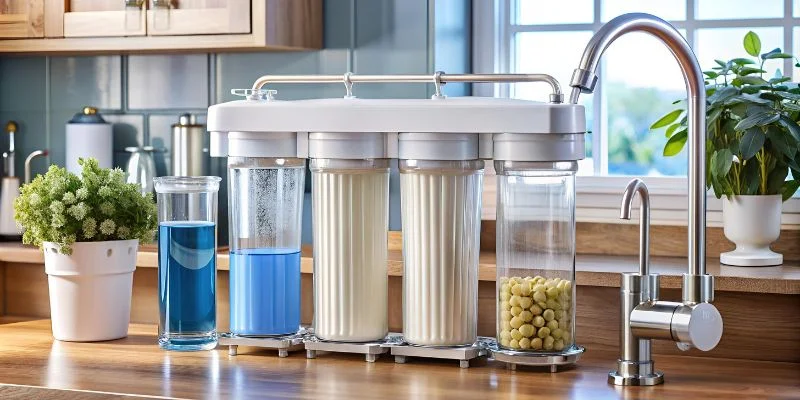 Best Water Filtration System for Your Home
But if you want to nerd out, an under-sink reverse osmosis system is the gold standard for purity. It’s like a science lab in your kitchen, minus the goggles.
At the end of the day, the best system is the one you’ll actually use. A fancy filter gathering dust in a box is worse than a basic one you replace on time.
The final sip
Water is life, but it’s also breakfast tea, pasta water, and ice cubes for your Friday cocktail. Making it taste clean and feel good isn’t a luxury—it’s a tiny, daily joy.
So whether you upgrade to a high-tech under-sink system or just grab a Brita at the store, you’re doing something good. Your taste buds, your skin, and the planet will all high-five you.
Now, go pour yourself a glass. And maybe this time, actually enjoy it.
