Best Water Filters For Removing Microplastics 2025 2026

You know that moment when you’re sipping a glass of tap water and suddenly wonder if you’re drinking yesterday’s fleece jacket? Yeah, me too. Microplastics are the uninvited g...

You know that moment when you’re sipping a glass of tap water and suddenly wonder if you’re drinking yesterday’s fleece jacket? Yeah, me too. Microplastics are the uninvited guests in our water supply—like that one friend who crashes your party, eats all the chips, and leaves behind microscopic crumbs everywhere.
We can’t see them, but microplastics are basically the glitter of the pollution world: tiny, annoying, and impossible to fully clean up. And they’ve been sneaking into our tap water, bottled water, and even our fancy coffee brews for years.
So, what’s a casual water drinker to do? We need a filter that’s tougher than a moody barista and way more reliable than your last online shopping splurge.
Must Read
The Usual Suspects: Why Your Pitcher Isn’t Cutting It
If you’re still relying on that basic jug filter from 2019, I’m sorry to be the bearer of bad news. Most standard filters are like bringing a cotton swab to a demolition derby—they catch big chunks but let the invisible plastic ninjas slide right through.
Microplastics are smaller than a grain of rice, and many are sub-micron sized. That means your average carbon block filter (the one you forgot to change last summer) is basically waving them through like a sleepy airport security guard.
So for 2025 and 2026, we’re talking about filters that actually mean business. Think less “gentle spa treatment” and more “bouncer who checks IDs twice.”
The Heavy Lifter: Reverse Osmosis (a.k.a. The Plastic Police)
If microplastics were a villain, reverse osmosis (RO) would be the superhero who shows up in a leather jacket and doesn’t smile. RO systems force water through a semi-permeable membrane with holes that are ridiculously tiny—we’re talking 0.0001 microns small.
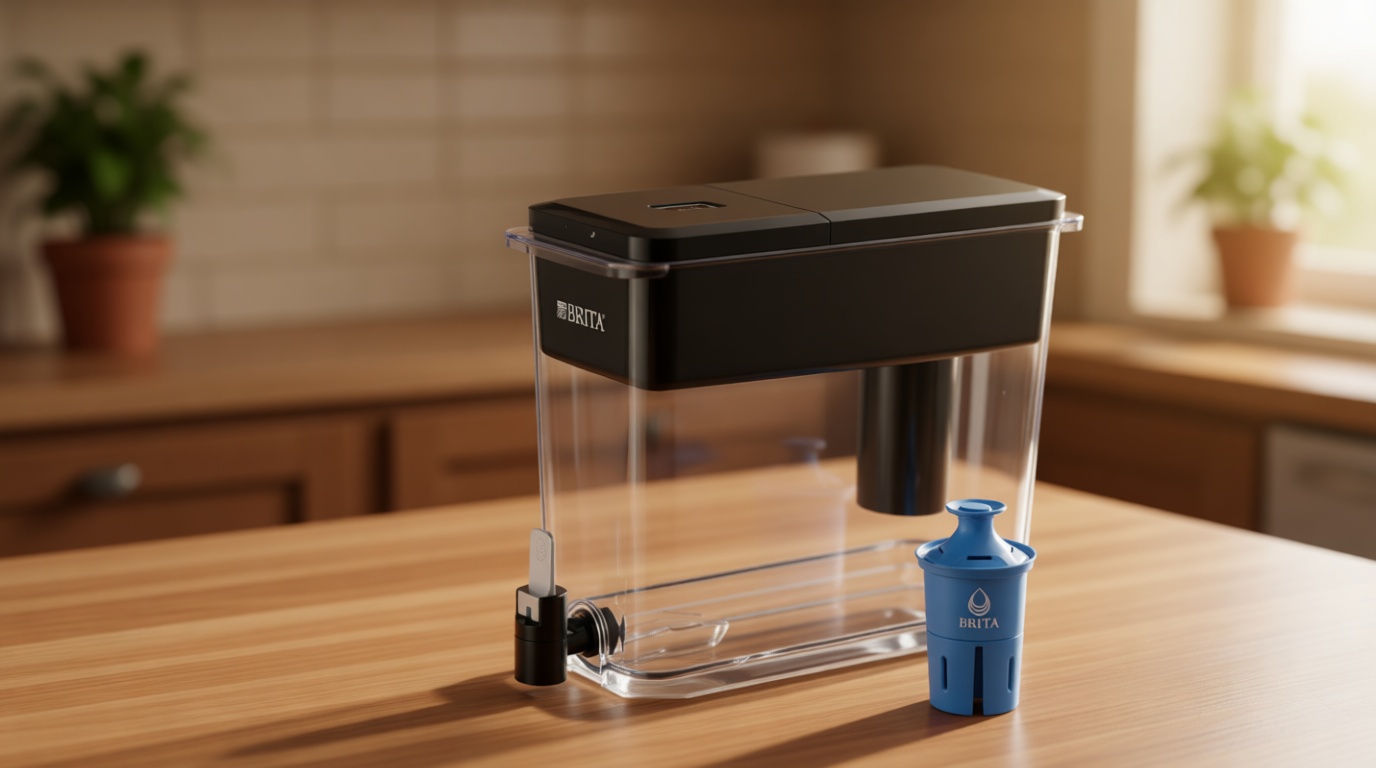 15 Best Water Filter For Microplastics in 2026 (Buyers Guide & Reviews
That’s smaller than most plastic particles, viruses, and your ex’s excuses. A good RO system can remove 99% of microplastics, plus weird tastes, lead, and that faint “pool” vibe your city water sometimes has.
The downside? They’re a bit bulky, like having a mini science lab under your sink. You’ll also need to remind yourself to change the filters every six months—or else your water will taste like regret and old socks.
Best for 2025: The iSpring RCC7
This guy is the workhorse of RO systems. It’s budget-friendly, easy to install, and doesn’t complain. It’ll tackle microplastics without fussing about your water pressure or your messy cabinet.
The Eco-Cool Choice: Aquasana OptimH2O
This one comes with a “claryum” filter that uses a blend of carbon and ion exchange, plus a separate RO membrane. It’s like having a water sommelier who also moonlights as a plastic exterminator. It keeps the good minerals (hello, magnesium) while booting the bad stuff.
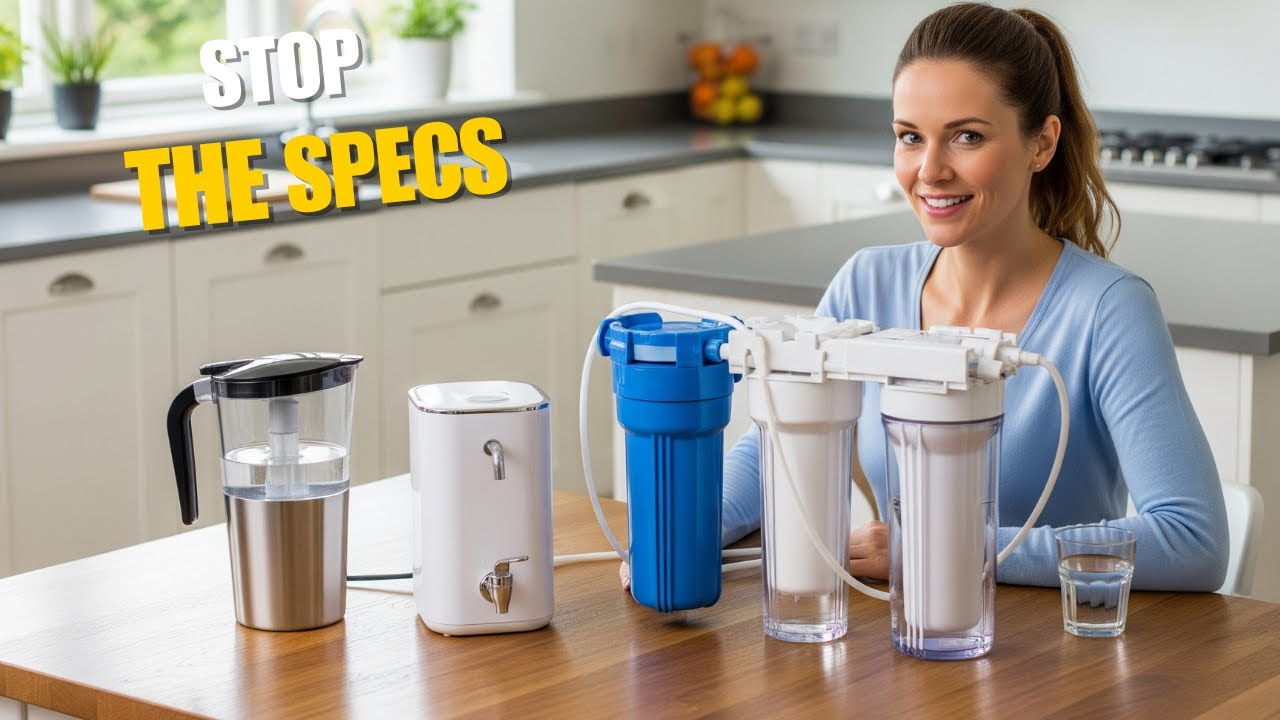 6 Best Water Filters For Microplastics 2026! (Tested Picks) - YouTube
The Countertop Hero: ZeroWater (The Drama Queen)
ZeroWater filters use a five-stage filtration system that includes ion exchange—fancy talk for “seriously thorough.” These pitchers are the overachievers of the fridge. They’ll strip your water down to zero dissolved solids, which means no microplastics, no metals, and no personality.
I actually use one, and I’ll be honest: the water tastes like nothing. It’s so clean it’s almost existential. But if you’re freaked out by microplastics, having water that tastes like a blank canvas is strangely comforting.
Just remember: the filter needs changing frequently. One minute you’re drinking crystal purity, the next you’re pouring water that tastes like a wet Band-Aid. Don’t say I didn’t warn you.
The Underdog: Carbon Block with a Twist (Berkey & Propur)
Here’s where it gets interesting. Berkey systems use gravity-fed carbon blocks that are actually tested against microplastics. No electricity, no plumbing, just pure water from a metal canister that looks like it belongs on a rugged camping trip.
 5 Best Water Filter for Microplastics in 2026 - RO System Guides
Pro tip: Make sure you get the “Black Berkey” elements, because the standard ones aren’t as good at catching the tiny stuff. It’s like choosing between a regular hiking boot and the ones with vibram soles—the upgrade matters.
For 2026, Propur is the stealth competitor. They use a similar design but with fluoride removal as a bonus. If you’re the type who reads ingredient labels at the grocery store, you’ll appreciate the transparency.
The Scam Watch: “Microplastic Removal” Claims
Not every filter that says “removes microplastics” actually does. Some cheap pitchers use cute marketing words while your plastic particles do a victory lap straight into your glass. Look for NSF certification (Standard 53 or 58)—that’s the Good Housekeeping Seal of the filter world.
If a filter costs less than your morning coffee and claims to solve a global crisis, raise an eyebrow. We’re talking about a problem that scientists are still studying—a $15 charcoal stick won’t fix it.
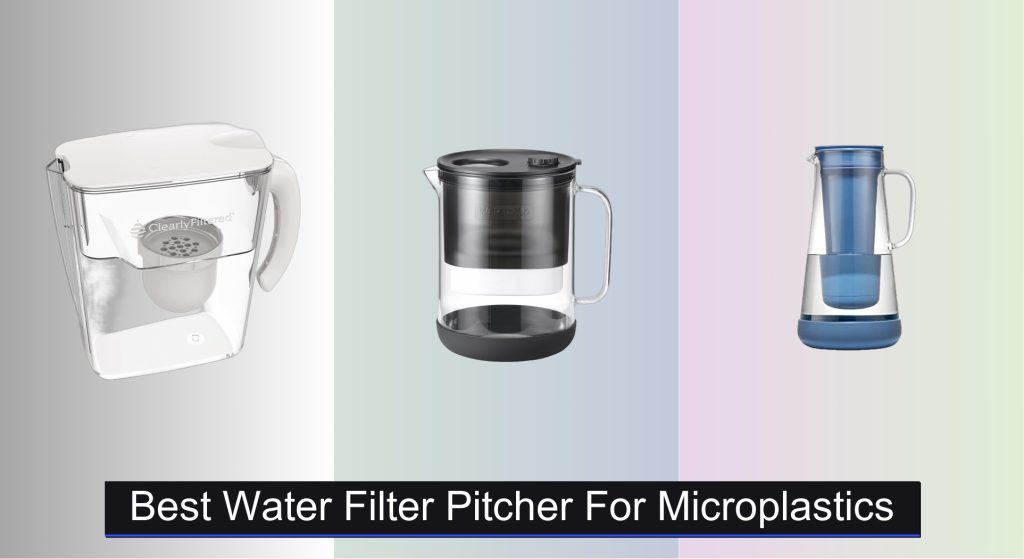 8 Best Water Filter Pitchers for Microplastics 2026
Also, don’t trust anything that says “microns” without providing a number. If they’re vague, they’re hiding something.
The Bottom Line (And a Tiny Reality Check)
Look, you don’t need to live in a plastic-free bubble. But if you’re drinking tap water like it’s your job (which, if you’re alive, it kind of is), a good filter is your best friend. RO systems are the gold standard, gravity filters are the no-fuss alternative, and ZeroWater is for people who enjoy a little drama with their hydration.
And if you can’t afford any of these right now? Don’t panic. Boiling water doesn’t remove microplastics (it can even concentrate them), but storing water in glass instead of plastic is a tiny victory. Every little bit helps.
So go ahead, pour yourself a glass. Pick a filter that matches your vibe—whether you’re a “set it and forget it” person or a “let’s build a science project” enthusiast. Your body will thank you, and your future self won’t have to wonder if your hydration is also a fashion choice from the 1990s.
