Best Home Water Filtration System For A Cistern System

Okay, so you’ve got a cistern. Rock on. You’re basically a rain wizard, collecting water from the sky like a boss. But here’s the thing: that water isn’t exactly Evian straigh...
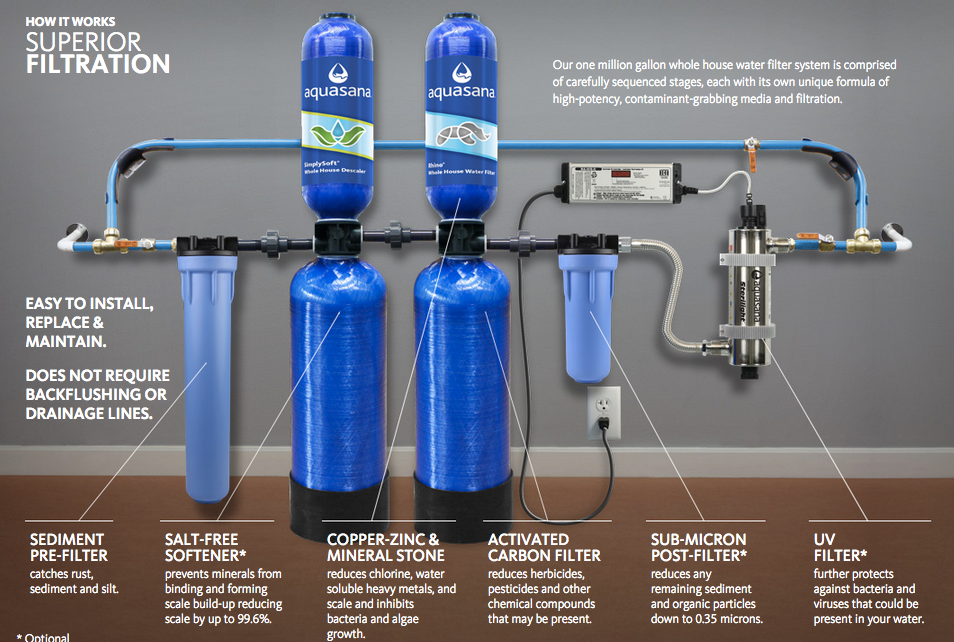
Okay, so you’ve got a cistern. Rock on. You’re basically a rain wizard, collecting water from the sky like a boss.
But here’s the thing: that water isn’t exactly Evian straight from the tap. It’s got gunk, leaves, and who-knows-what from your roof.
You need a filtration system that turns that grey-ish mystery liquid into something you’d actually want to shower in. Or worse—drink? Let’s not get ahead of ourselves.
Must Read
Step One: Know Your Enemy (and Your Budget)
First, ask yourself: what’s in your water? Is it just dirt and bugs, or are you dealing with bacteria?
If you’re using the water for toilets and garden hoses, you can go cheap. But if you want to wash your hair without smelling like a swamp? Step up your game.
And hey, if you plan to drink this stuff—please, for the love of all things holy—get a UV or reverse osmosis system. I’m not joking.
The Heavy Hitter: Sediment Filters
Your cistern water is basically a soup of particles. Leaves, dirt, bird poop, and maybe a lost Lego.
A good sediment filter is like a bouncer at a club. It stops the big, annoying stuff from getting through.
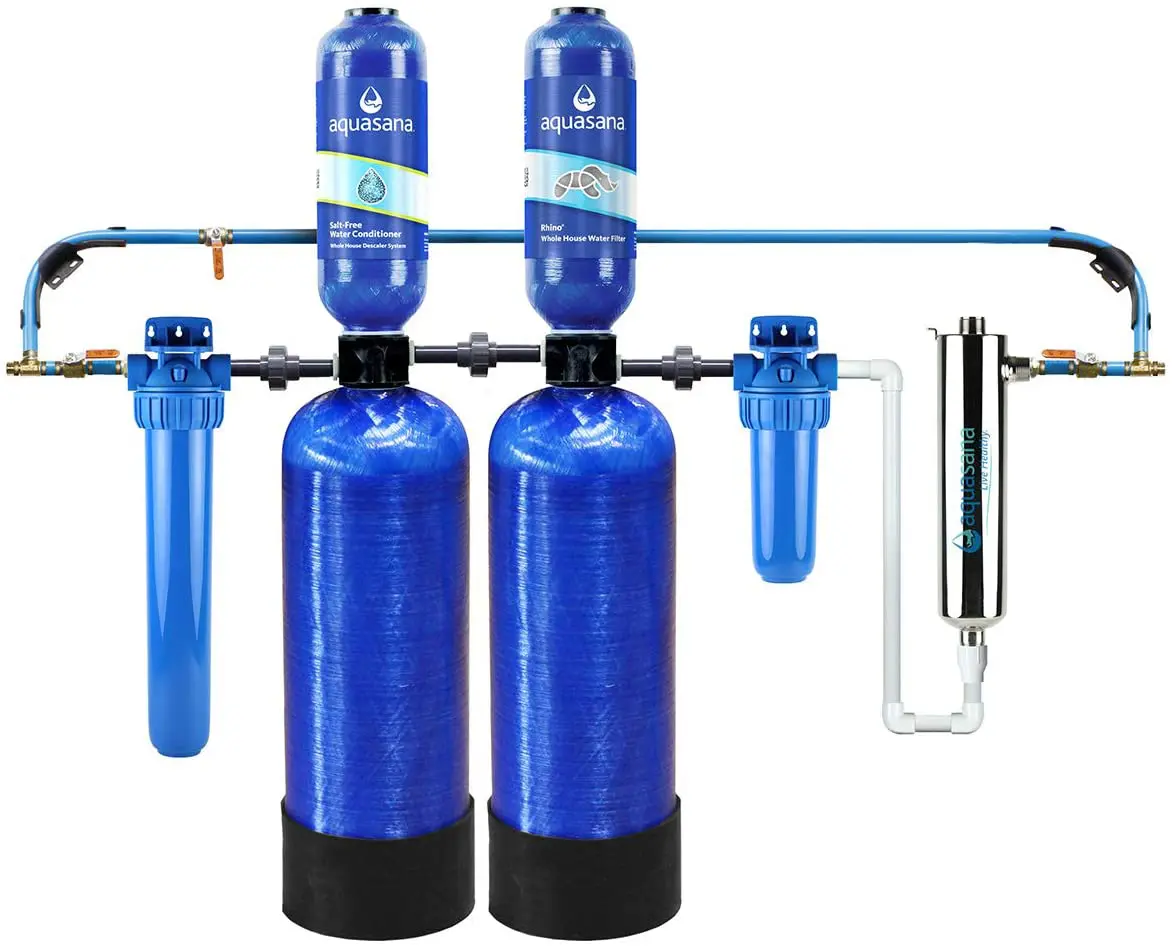 10 Best Whole House Water Filters of 2026 (See Our #1 Top Home Water
Look for a spindown filter first—it’s a mesh screen you can rinse out. Then add a 5-micron or 1-micron cartridge filter. Cheap. Effective. Your pipes will thank you.
The Mid-Game: Carbon Filters for Taste and Smell
So your water is clear now. Great. But it might still taste like a wet dog smells. Yuck.
That’s where a carbon filter comes in. It sucks out chlorine (if you add it), funky odors, and that weird “I just licked a rock” taste.
You can get a granular activated carbon (GAC) filter or a carbon block. The block is better, but both do the job. Just remember to change it every six months or so. Set a calendar alert, friend.
The Endgame: UV Sterilization
If you want to drink this water, stop reading and buy a UV light system right now. Like, pause and bookmark this.
 I installed a 3 stage whole house water filtration system – Artofit
UV light zaps bacteria, viruses, and parasites. It doesn’t remove particles—it murders them with light. Magic, but science.
Pair it with a sediment and carbon filter before the UV unit. Otherwise, the light can’t reach the bad guys through the murk. Think of it like sunscreen for germs—except the germs get burned to a crisp.
The Wildcard: Whole-House vs. Point-of-Use
Do you want all your water clean, or just the kitchen tap?
A whole-house system is amazing. It treats every faucet, shower, and toilet. But it’s pricey and needs space for a big tank and pump.
A point-of-use system is just for one sink. Cheaper, easier, and you can install it under the counter while binge-watching Schitt’s Creek. Your call.
And Now… The Pump Issue
Your cistern water is sitting there, being lazy. It won’t push itself through filters without a pump.
 Best Home Water Treatment System at Wilfred Mccarty blog
You need a booster pump or a submersible pump with enough pressure. If the pump is weak, your filter will be useless. It’s like trying to suck a milkshake through a coffee stirrer.
Pro tip: get a variable-speed pump. It saves energy and doesn’t make that annoying “hammering” sound that wakes your cat up at 3 AM.
The Secret Sauce: Pre-Filtration Before the Cistern
Here’s a pro move: stop the crap before it even gets to your tank. Use a first-flush diverter and a leaf screen on your downspouts.
A first-flush diverter catches the first 10-20 gallons of rain that wash the bird poop off your roof. That’s gold, Jerry. Gold.
Combine that with a fine mesh at the tank inlet, and you’ll change your filters half as often. Your wallet will send you a thank-you note.
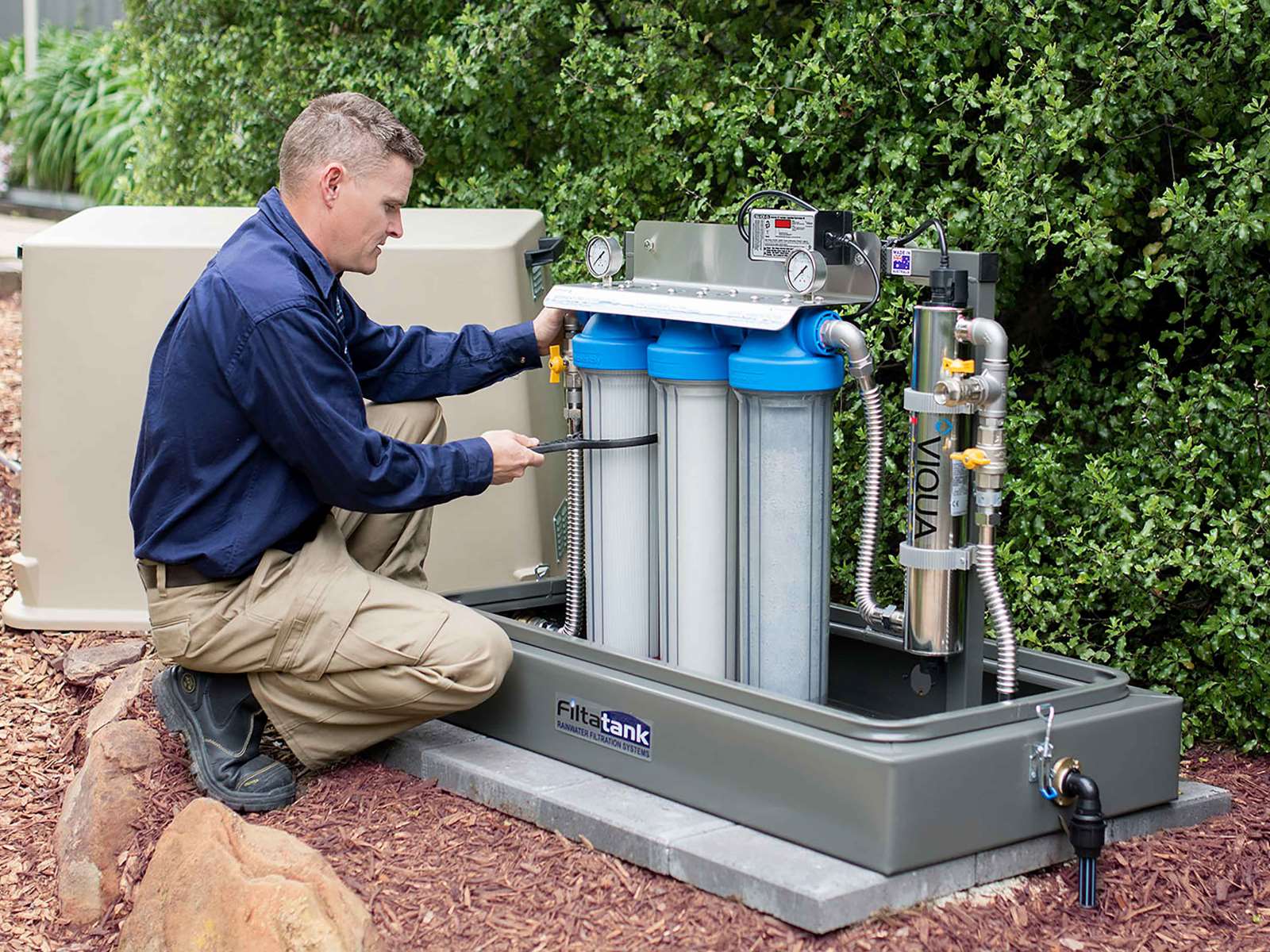 What Is A Whole House Water Filtration System | Storables
My Honest, No-Fluff Recommendation
If you’re on a budget and using water for gardening and flushing only? Get a 50-micron sediment filter plus a GAC carbon filter. Done. That’s, like, $100 total.
If you want to shower in it? Add a 5-micron sediment filter and a 1-micron carbon block. You’ll feel like a fancy spa person.
If you want to drink it? You need the whole shebang: sediment → carbon → UV light. Don’t skip steps. Your stomach doesn’t have a filter, okay?
One Last Thing: Maintenance is a Love Letter
Look, no filter is “set it and forget it.” That’s a myth, like unicorns or a quiet toddler.
Change your sediment filters every 3-6 months. Swap carbon filters once a year. Clean the UV bulb annually. It’s not hard.
Set a reminder on your phone right now. I’ll wait. Done? Good. Now go enjoy water that doesn’t taste like a garage. You’ve earned it, rain wizard.
