Best Water Softener For Well Water With Iron And Sulfur

You know that moment when you pour a glass of water, and it smells like a swamp monster just burped in your kitchen? Welcome to the world of well water with iron and sulfur. I...

You know that moment when you pour a glass of water, and it smells like a swamp monster just burped in your kitchen? Welcome to the world of well water with iron and sulfur. It’s like your house decided to audition for a horror movie, but you just wanted a clean cup of coffee.
I remember the first time I washed a white shirt in our new house. It came out looking like a rusty dishrag that had been through a mud fight. And the smell? Let’s just say my morning oatmeal tasted faintly of rotten eggs. That’s when I realized: you don’t just need a water softener—you need a miracle worker.
Why Your Well Water Acts Like a Drama Queen
Well water doesn’t play nice. Iron turns your tubs orange, clogs your pipes, and makes your laundry look like you work in a coal mine. Sulfur, on the other hand, is the nasty little prankster that makes every shower smell like a sulfur spring you never asked to visit.
Must Read
Together, they’re like that odd couple from a sitcom—one is messy, the other smells bad. Your water softener has to handle both without losing its cool. Most basic softeners just trade calcium for sodium, but they don’t touch the iron or the smell. You need a specialized system that says, “Not today, swamp monster.”
The Three Amigos: Types of Softeners for Iron & Sulfur
1. The Ion Exchange + Iron Filter Combo
This is the heavy lifter of the group. It’s like having a bouncer at the door who rejects the iron and a butler who kicks out the sulfur. These systems use a special resin that grabs iron ions like a kid grabbing candy—up to a point. If your iron levels are over 3 parts per million, this buddy might need a little help.
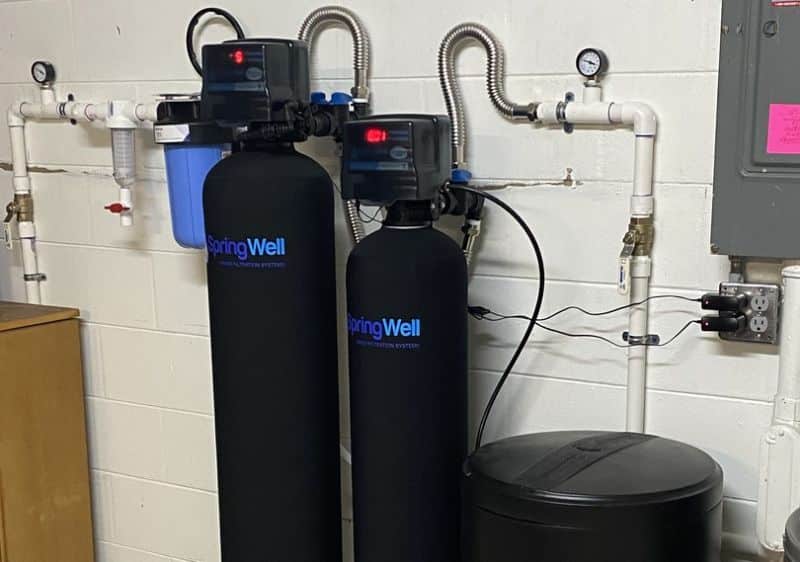 6 Best Water Softeners for Well Water with Iron of 2024
For the sulfur, you’ll want an aeration or oxidation filter attached. Think of it as giving your water a nice, violent bubble bath. The bubbles help the sulfur gas escape so it doesn’t stink up your shower. You’ll pay more, but your underwear will thank you.
2. The Catalytic Carbon Filter
This is the quiet genius of water treatment. It doesn’t shout; it just absorbs the sulfur like a sponge soaking up a spill. Carbon filters are amazing at removing that rotten egg smell, but they’re not the best at tackling massive iron loads alone. Use it as a sidekick to a main softener, or if your iron is low and your smell is high.
Fun fact: some of these filters use a process called “catalysis” to turn sulfur into harmless particles. It’s like a wizard turning a frog into a prince, but for your water. And let’s be honest, your water is definitely the frog in this scenario.
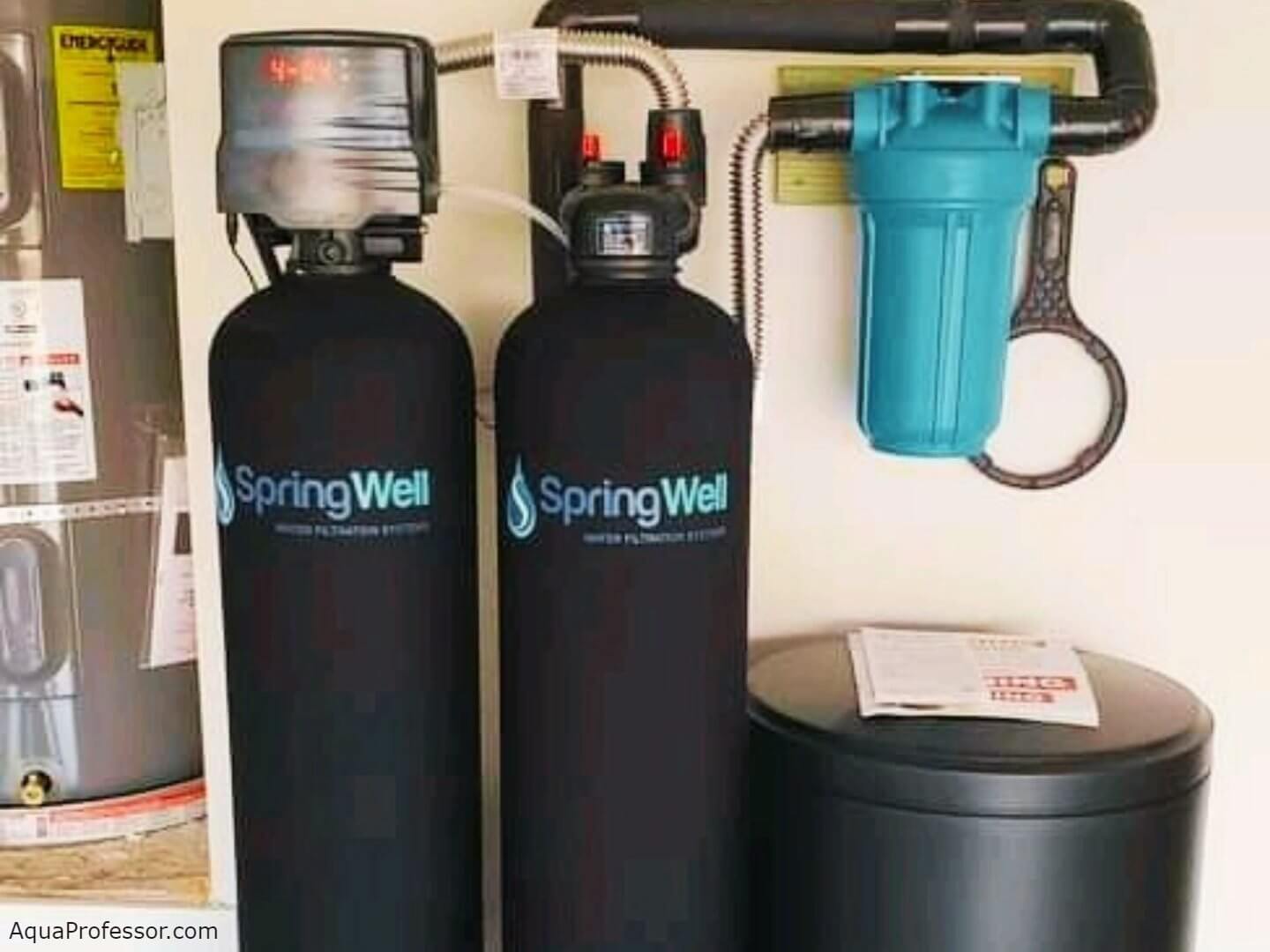 3 Best Water Softener For Iron Removal [Well Owners Guide In 2023
3. The Greensand or Manganese Greensand Filter
If your water has high iron and moderate sulfur, this is your old-school cowboy system. It uses a special sand coated with manganese oxide that literally oxidizes the iron and sulfur, turning them into solids that get flushed out. It’s like a mineral detox for your well water.
But here’s the catch: it needs regular “recharging” with potassium permanganate—a purple chemical that looks like something from a Breaking Bad episode. You’ll feel a little like a mad scientist, but your water will taste like a mountain spring. I call it the “rinse-and-recharge” dance of water ownership.
 6 Best Water Softeners for Well Water (with Iron): Reviews 2023
What to Look For (So You Don’t Waste Your Cash)
First, test your water. Don’t guess. Go buy a home kit or send a sample to a lab. You need to know your iron ppm, your sulfur smell level, and your pH. It’s like a blood test for your house—not fun, but necessary. If your pH is below 7, you’ll need a neutralizer before the softener, or the whole system will act like a cranky toddler.
Second, check the flow rate. Most families need at least 10 gallons per minute. That means a system that isn’t a bottleneck when you’re running the washing machine and two showers at once. Trust me, you don’t want to be stuck showering in slow-motion while your spouse yells from the laundry room. That’s a recipe for a very unromantic Tuesday night.
Finally, look for a system with a brine tank and a sediment pre-filter. The brine tank helps regenerate the resin, but a sediment filter catches sand and silt before they ruin the whole party. Without it, your fancy new softener will die faster than a houseplant in direct sunlight. Not a good look.
 5 Best Water Softener Systems For Well Water: Iron Removal
My Honest Take (And a Few Laughs)
I went with a combo system from a brand called Aquasure—a 48,000-grain unit with an integrated iron filter. Did it cost a pretty penny? Yes. Did it feel like installing a spaceship in my basement? Also yes. But after a week, my wife asked, “Why does our laundry smell like… nothing?” That’s the kind of victory that makes you high-five yourself in the mirror.
Of course, you might prefer the Whirlpool WHESFC if you’re on a budget, or the Springwell WFS if you want a system that calls itself “high-efficiency” and means it. But whatever you choose, remember: bad well water is like that friend who always shows up late and spills wine. You can either get a better friend, or a better filter. I vote for the filter.
So go ahead, tackle that swamp. Your taste buds, your plumbing, and your whites will thank you. And if all else fails, just remember—you’re not paying for water. You’re paying for peace of mind, and the joy of never again smelling a rotten egg in your morning tea.
