Best Home Water Systems

Let’s be honest—your home’s water is probably haunted. Not by ghosts in white sheets, but by chlorine, lead, and the faint whisper of whatever your neighbor flushed down their...

Let’s be honest—your home’s water is probably haunted. Not by ghosts in white sheets, but by chlorine, lead, and the faint whisper of whatever your neighbor flushed down their sink. That’s why you need a home water system, but wading through the options feels like choosing a new Netflix password—stressful and easy to screw up. Buckle up, because we’re about to turn you into a water wizard who can banish bad taste with a wave of your wallet.
The Undisputed King: Reverse Osmosis
Imagine a gadget so picky it rejects almost everything except H2O. That’s reverse osmosis (RO), the snooty sommelier of water filters. It shoves water through a membrane with holes smaller than a virus, stripping out lead, arsenic, and even fluoride. One study found RO removes up to 99% of contaminants—basically turning toilet water into spring water. The catch? It’s slow, like a tortoise with a hangover, producing maybe a gallon an hour.
RO systems also waste about three gallons of water for every gallon they clean. That’s enough to fill a small kiddie pool every week, but hey, at least your pool will be pristine while your water bill cries. If you’re a tinfoil-hat type who fears the government is adding mind-control chemicals, RO is your paranoid pal. Just don’t drink the wasted water—unless you enjoy a metallic surprise.
Must Read
The Whole-House Filter: Your Home’s Bouncer
If RO is the picky sommelier, a whole-house filter is the bouncer at a club. It stops sediment, rust, and chlorine at the front door, so every tap—shower, toilet, garden hose—gets clean water. You’ll smell the difference the first time you shower; no more “swimming pool” aroma clinging to your skin. And here’s a surprising fact: chlorinated shower water can dry out your hair faster than a bad breakup. A whole-house system fixes that.
The downside? It’s like hiring a bouncer who also demands a lifetime membership fee. Installation can cost $1,000 to $3,000, plus filter replacements every few months. But if you’ve ever scrubbed orange rust stains off a toilet bowl, you’ll know it’s worth every penny. Plus, your plants will stop looking like they’re on a hunger strike.
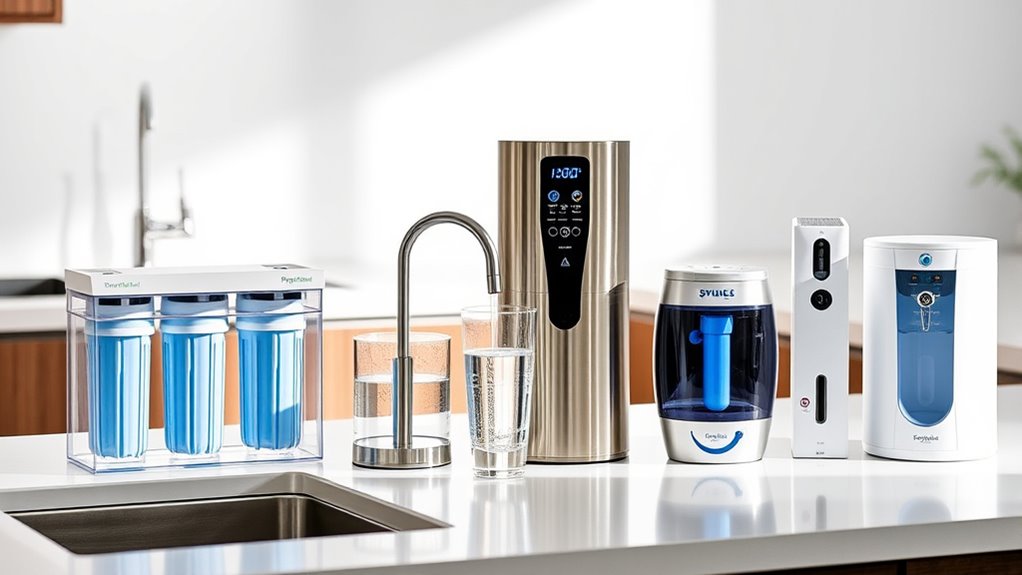 15 Best Water Filtration Systems for Your Home in 2025: Clean Water
The Countertop Charmer: Activated Carbon
This is the “I’m not a filter, I’m a lifestyle” option. Pitchers like Brita or faucet attachments use activated carbon—charcoal on steroids—to grab chlorine, bad tastes, and some pesticides. It’s cheap, easy, and makes tap water taste like it hugged a glacier. But don’t get cocky: carbon cannot remove heavy metals like lead or arsenic. It’s the filter equivalent of a band-aid on a broken leg.
A shocking stat: a 2020 study found that some carbon filters can actually grow bacteria if you don’t change them monthly. That’s right—your “clean” water pitcher might be hosting a tiny microbial rave. The solution? Set a phone reminder, or buy a filter that glows red when it’s done for. Or just chug the bacteria for that probiotic edge—your call.
The UV Light: The Nuclear Option
Want to feel like a mad scientist? A UV water system zaps microorganisms with ultraviolet light, killing 99.99% of bacteria and viruses. It’s the Terminator of water systems: no chemicals, no taste change, just pure annihilation. Perfect for well water or if you live near a swamp and hear banjo music at night. The catch? UV only works if the water is clear first—muddy water is like a shield for germs. You’ll need a pre-filter, making this a two-step tango.
 Home Water Systems: Purify Your Household Water Supply
Also, UV bulbs burn out after a year and cost about $100 to replace. But hey, you can tell your friends you have a “light saber” for your faucet. That’s worth the bragging rights alone.
Distillers: The Obsessive Compulsive’s Dream
Distillation boils water into steam, leaving behind all solids—lead, salt, even your dignity. It’s how we made seawater drinkable on pirate ships, except now it’s in your kitchen. The result is some of the purest water on Earth, with less than 1 part per million of contaminants. But it’s slow—like watching paint dry while you age—and it removes beneficial minerals. Drink only distilled water long-term, and you might start craving electrolytes like a hungover athlete.
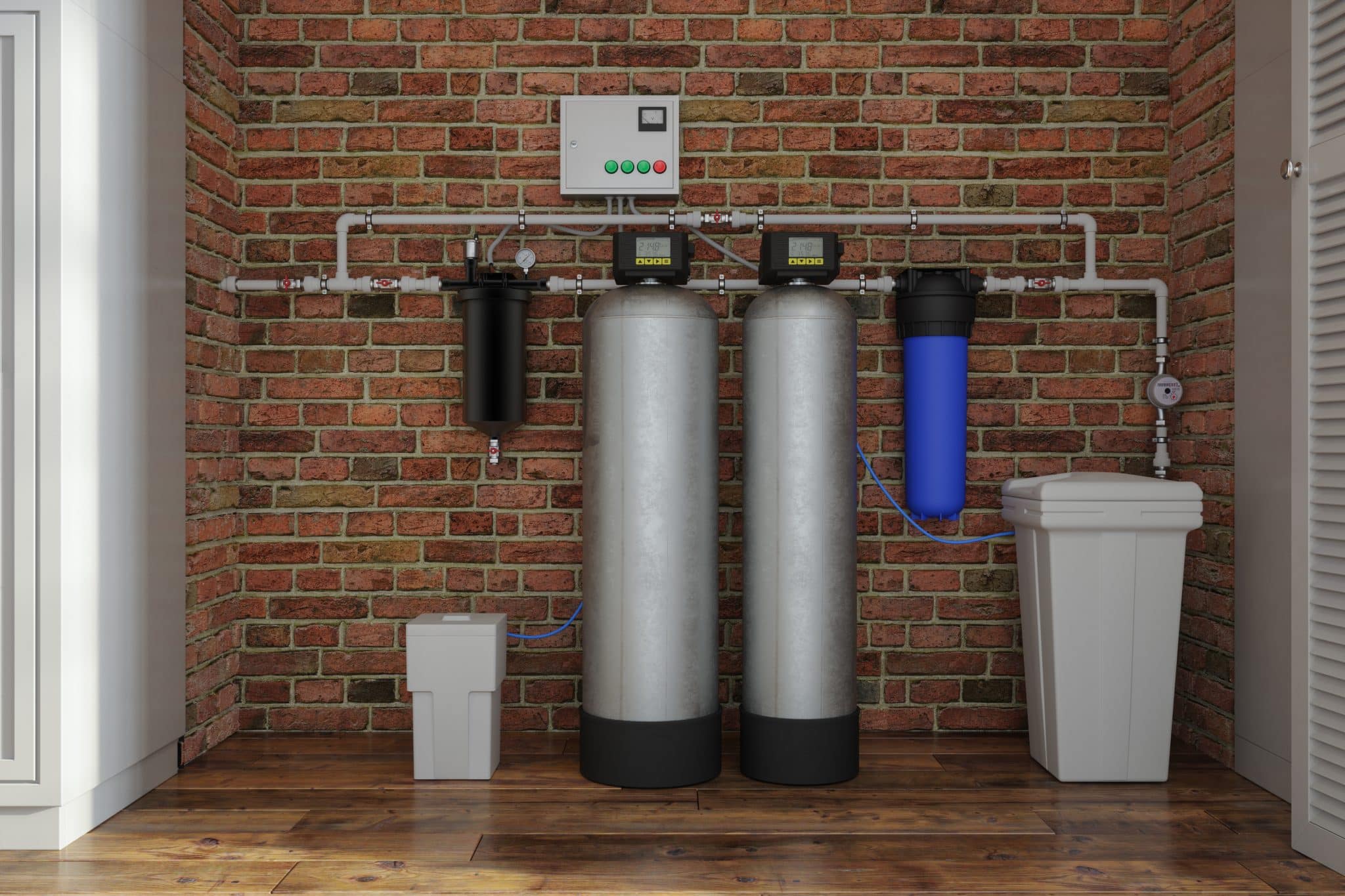 Types of Water Conditioning Systems: Choosing the Right One for Your Home
Plus, distillers use a ton of electricity—about 3 kWh per gallon. That’s enough to power a mini-fridge for a day. Your water will be clean, but your carbon footprint will look like Godzilla’s shoe size.
The Final Sip: What Should You Buy?
Here’s the cheat code: if you’re on city water and just hate the taste, get an activated carbon pitcher and call it a day. If you have lead pipes or tiny humans crawling around, splurge on reverse osmosis under the sink. Live in a well-water rust bucket? Go whole-house filter plus UV—take no prisoners. And if you’re a prepper who wants water to last until the apocalypse, get a distiller and penthouse-level purity.
Remember, the best home water system is the one you actually maintain. Otherwise, you’re just paying for a decorative bucket of lies. Now go forth, hydrate, and don’t let the bacteria win. Your taste buds will thank you—and so will your residual paranoia.

