Best Carbon Filter Water

You know that feeling when you take a sip of tap water and it tastes like someone boiled a garden hose in a swimming pool? Yeah, me too. That’s why we’re here, my friend: to t...

You know that feeling when you take a sip of tap water and it tastes like someone boiled a garden hose in a swimming pool? Yeah, me too. That’s why we’re here, my friend: to talk about the best carbon filter water—the unsung hero of the kitchen counter.
Carbon filters are basically tiny, overachieving bouncers for your glass. They grab nasty stuff like chlorine, weird smells, and that mysterious “pond essence” your municipal supply seems to love.
But here’s a shocker: activated carbon is not just crushed-up charcoal from your last BBQ. That stuff is like the difference between a velvet rope at a club and a pile of briquettes after a weiner roast.
Must Read
How Does This Magic Work?
Imagine a piece of carbon with more surface area than a football field—in a grain of sand. Seriously, one gram of activated carbon can have over 3,000 square feet of internal pores.
That’s like having a penthouse apartment for all the bad-tasting molecules, except they get trapped forever. Chlorine, pesticides, and that “old plumbing” funk all get hugged to death by carbon.
And no, it doesn’t remove everything—it’s not a magician. You’ll still have minerals like calcium and magnesium, which is actually great because you want your water to taste like water, not distilled nothingness.
Pitchers vs. Faucet Filters: The Epic Battle
Let’s get real. A pitcher filter is like that friend who’s always a little slow but super reliable. You pour water in, wait a few minutes, and boom—clean water.
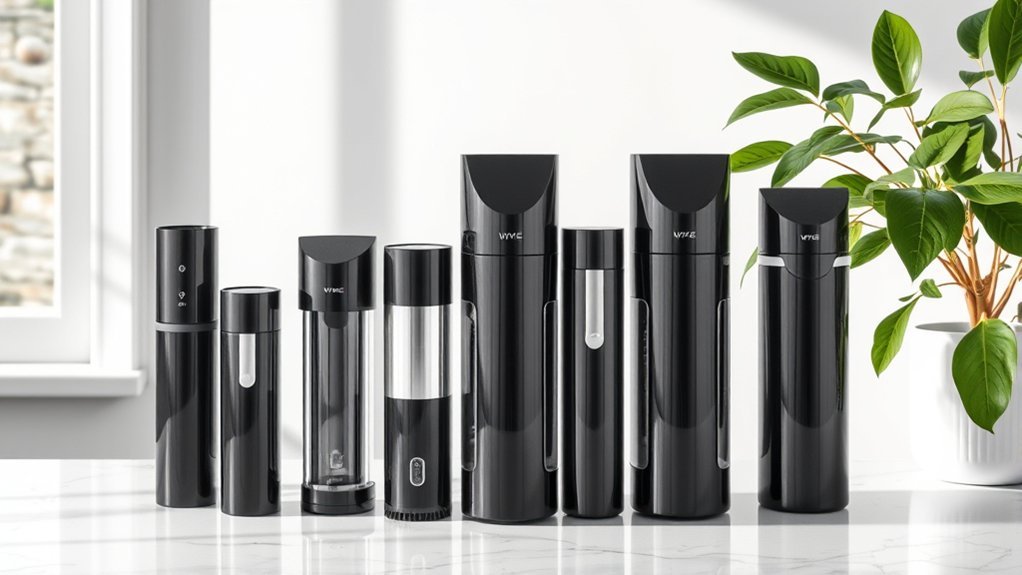 7 Best Activated Carbon Water Filters
The downside? It’s about as fast as a sloth on a sedative. If you’re chugging water after a workout, you’ll be left staring at the pitcher like it owes you money.
Then you have the faucet-mounted filter, the speed demon of the group. Twist a lever, and water flows through faster than you can say “why does my tap taste like a pool filter?”
But here’s the punchline: faucet filters can be clunky. They sometimes block your sink sprayer, and if you have a weird faucet shape, it’s like trying to put a sombrero on a giraffe.
The Under-Sink Hero
If you want to get serious, go under-sink. This is the “I’ve graduated from college and I own a couch” of water filtering.
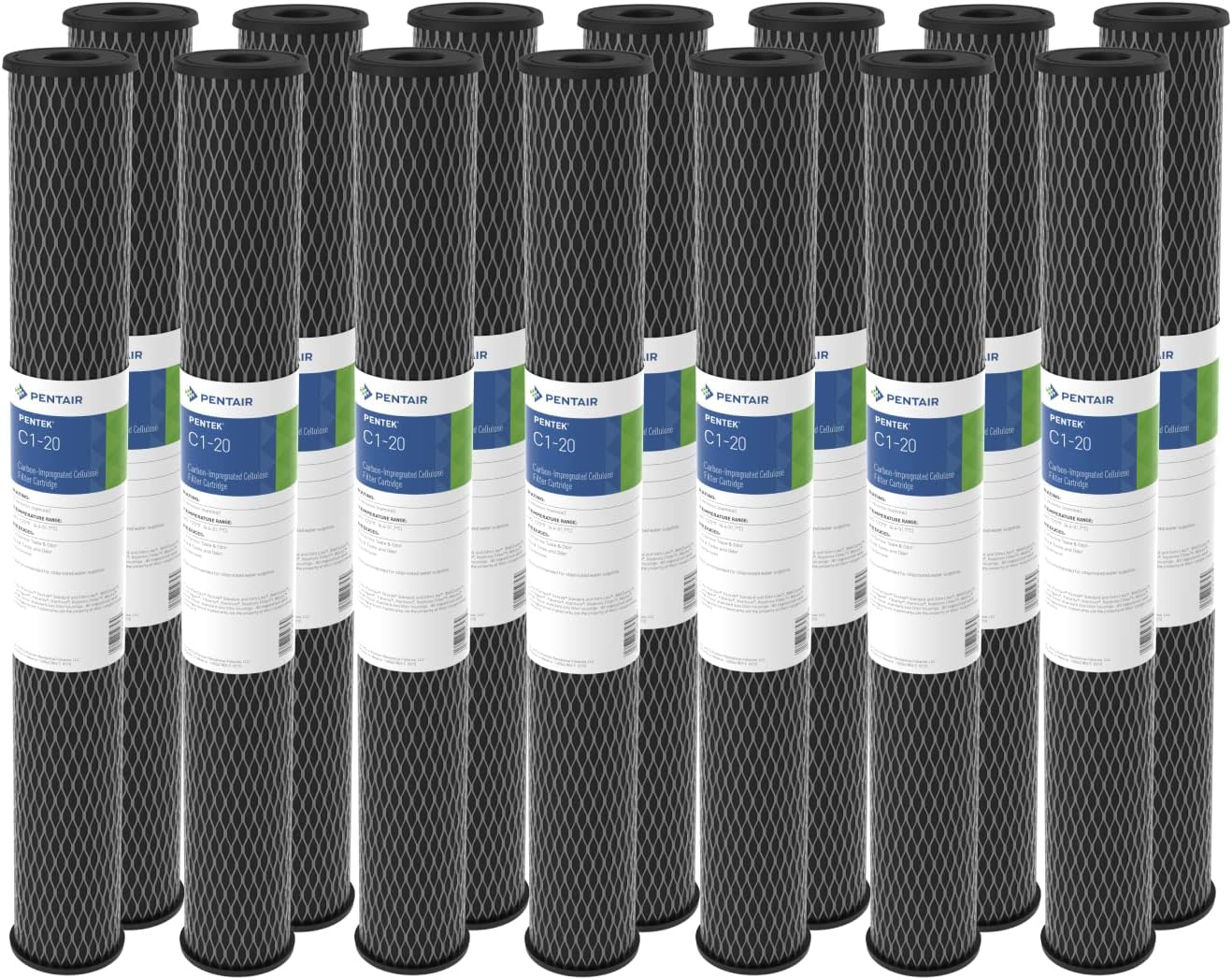 Pentair Pentek C1-20 Carbon Water Filter Instruction Manual
You install a canister under your sink, and it hooks directly to your cold water line. No counter clutter, no awkward faucet attachment—just pure, delicious H2O on demand.
And the best part? You can get one with a dedicated faucet that looks like it belongs in a sci-fi movie. It screams, “I drink the best water, and I know what a polyphenol is.”
What to Look For in a Carbon Filter
First, check for certification. Look for NSF/ANSI Standard 42 or 53. That’s like the Good Housekeeping seal for water nerds.
Standard 42 means it removes chlorine and gross tastes. Standard 53 means it kicks out heavy metals, cysts, and even some pesticides. Don’t settle for a filter that just makes your water smell like a wet dog—aim higher.
 Pentair Pentek EP-BB Big Blue Carbon Water Filter, 10-Inch, Whole House
Another shocking fact: carbon filters can actually grow bacteria if you don’t change them. That’s right—your “clean” water might be hosting a micro-rave if you forget to swap the cartridge every 3-6 months.
Change it like you change your underwear: regularly, and with minimal drama. Your gut will thank you.
Reverse Osmosis: The Overkill Cousin
Some people get all fancy and buy a reverse osmosis system. That’s like bringing a flamethrower to a candle-lighting ceremony—sure, it works, but it’s a bit much.
RO systems strip out everything, including healthy minerals, and they waste a ton of water in the process. For most of us, a high-quality carbon filter is the sweet spot: clean without the guilt.
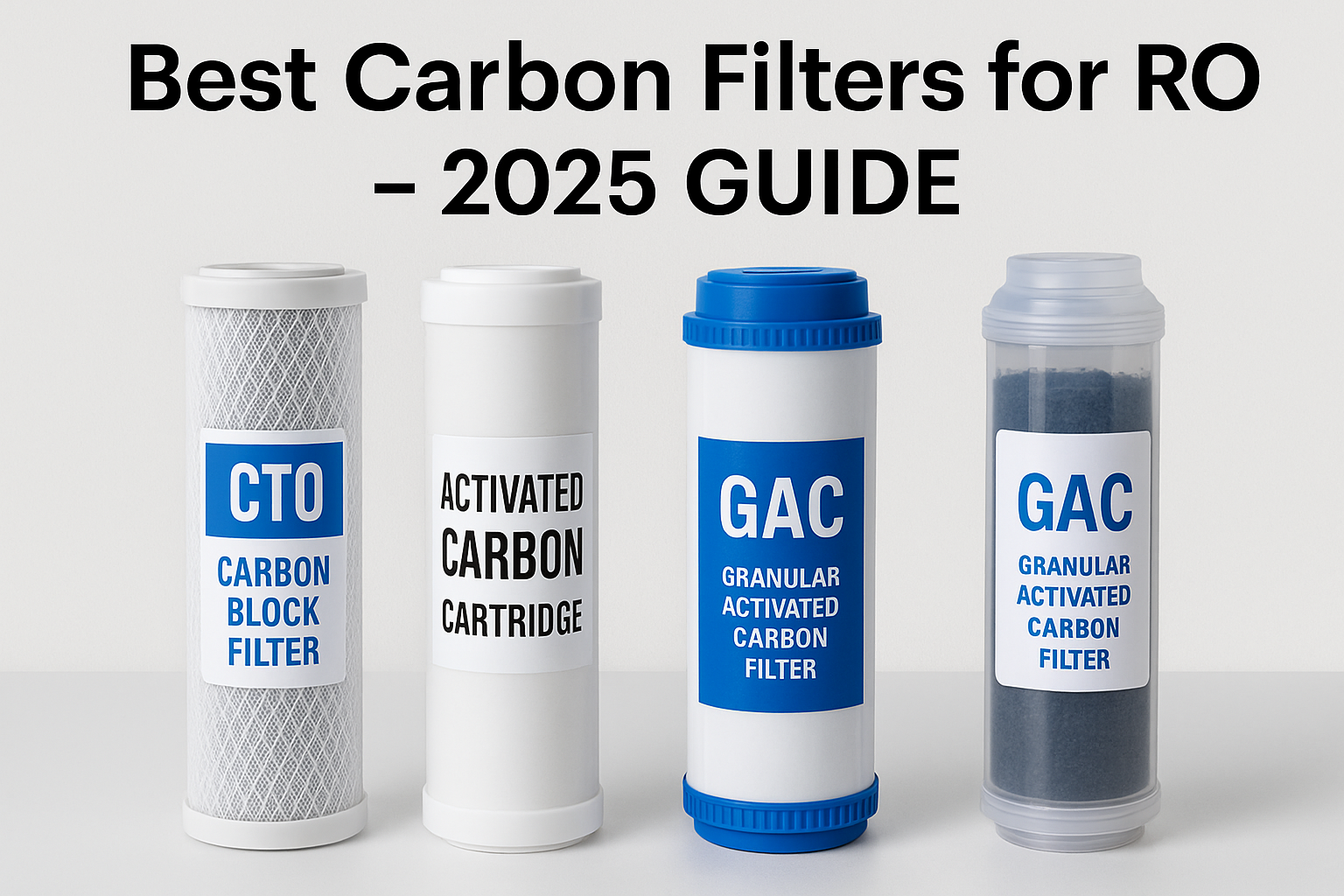 Best Carbon Filters for RO – 2025 Guide
And it’s cheaper than buying bottled water by a mile. Did you know the average American spends $200 a year on bottled water? That’s basically paying for a tank of gas you could have used to drive to a lake and drink for free.
The Best Carbon Filter: My Honest Pick
After testing more filters than a conspiracy theorist tests tinfoil hats, I’d say the Brita Elite or a PUR Plus pitcher is the best bang for your buck. They’re cheap, they’re easy, and they actually work.
But if you’re a water snob (and I mean that as a compliment), get an under-sink system from iSpring. It’s like a spa day for your taste buds.
The final truth? Any carbon filter is better than none. Even a basic one will make your tap water taste like it came from a mountain spring instead of a forgotten pipe under a highway.
So go ahead, buy one. Your coffee will taste better, your ice cubes won’t smell like regret, and you’ll finally stop buying those plastic bottles that end up in the ocean. Cheers to you, my hydrated friend—now go drink something that doesn’t taste like a chemistry experiment.
