Best Ro Filtration System

Let’s talk about water. Not just any water—the best water. You know, the kind that makes your morning coffee taste like a hug from a tiny, angelic barista. Enter the RO filtra...
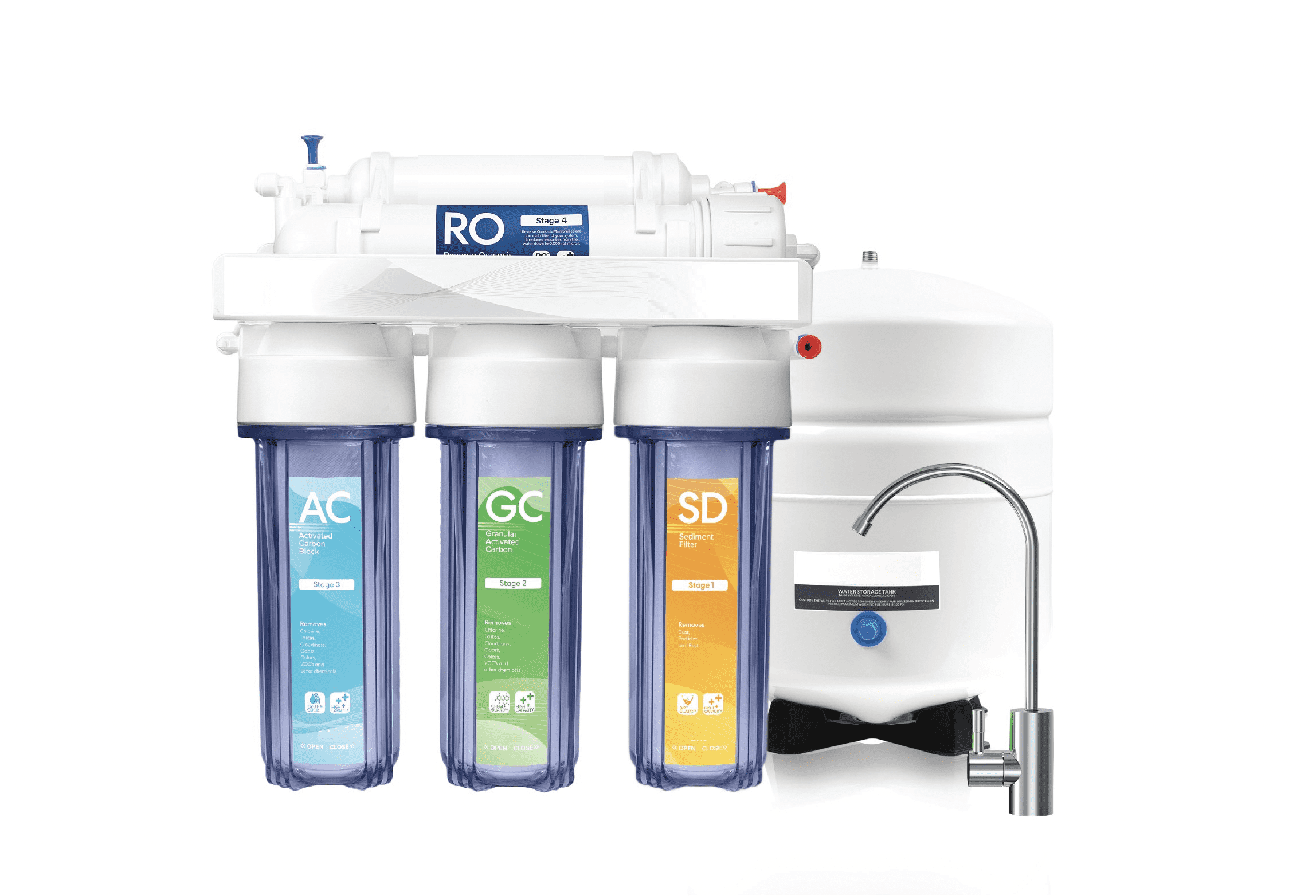
Let’s talk about water. Not just any water—the best water. You know, the kind that makes your morning coffee taste like a hug from a tiny, angelic barista. Enter the RO filtration system. Sounds fancy, right? It’s basically a super-powered sieve for your tap.
What’s the Big Deal with RO?
RO stands for Reverse Osmosis. That’s a science-y term for “pushing water through a very picky filter.” Think of it as a bouncer at a club. Only the coolest H₂O molecules get in. Everything else—lead, chlorine, weird tastes—gets kicked to the curb.
It’s not magic, but it feels like magic. You pour in tap water, and out comes liquid that’s cleaner than a whistle. A very clean whistle.
Must Read
Why Your Taste Buds Will Thank You
Have you ever sipped water that tasted like a swimming pool? That’s chlorine. RO strips that away. Suddenly, your water tastes like nothing. And nothing is exactly what you want.
Here’s a funny quirk: RO water makes tea and coffee taste wildly different. You’ll notice notes you never knew existed. It’s like discovering your favorite song has a hidden verse. Your taste buds will do a happy dance.
The Quirky Science Behind It
Here’s the wild part. Reverse Osmosis was invented to desalinate seawater for astronauts. Yes, astronauts. Your kitchen sink now has space technology. You’re basically drinking rocket fuel (minus the explosions).
Another weird fact: RO systems waste some water. About 3–4 gallons for every clean gallon. Sounds bad? Don’t panic. That “waste” water is great for watering your plants or washing dishes. Your ferns will throw a party.
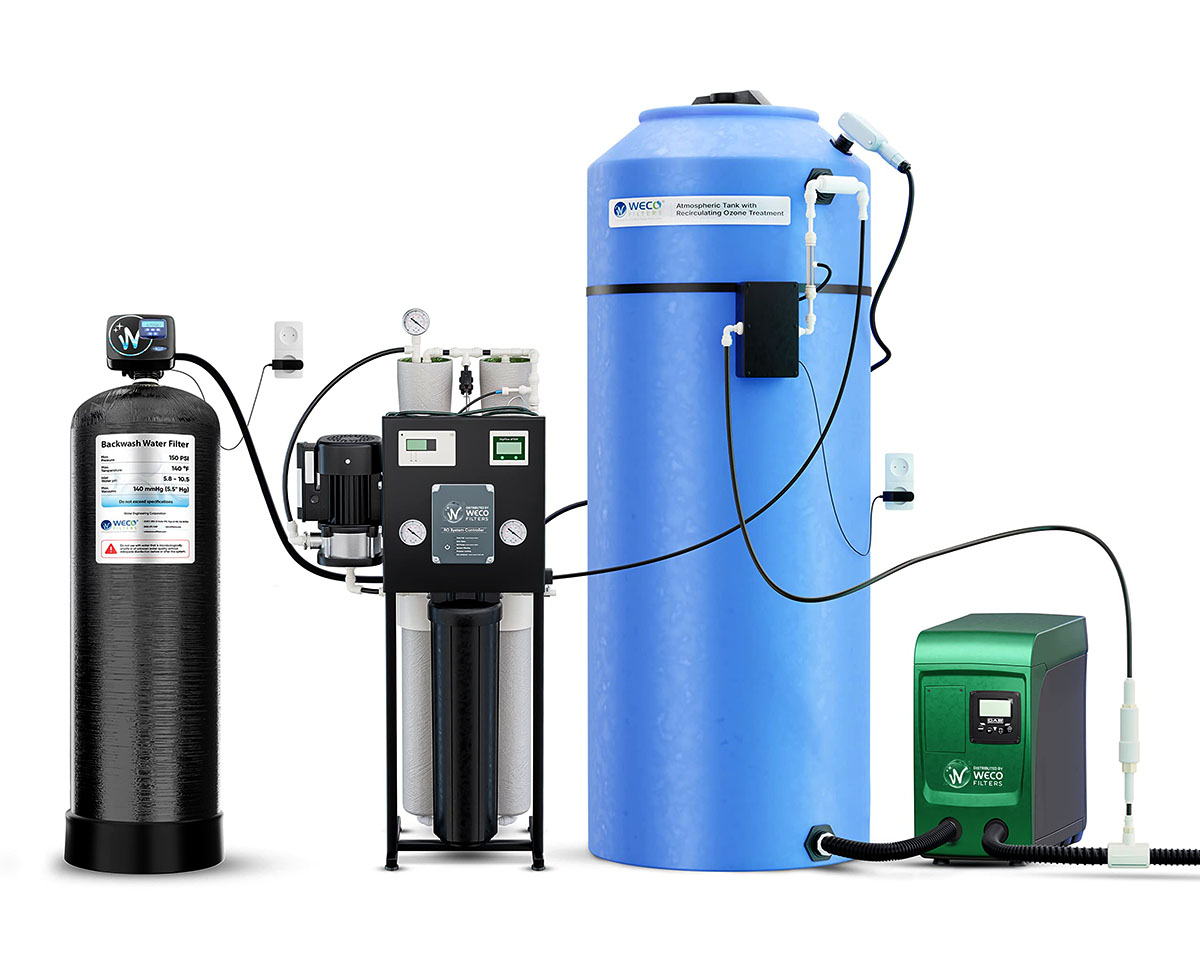 Reverse Osmosis Filtration System Maintenance at Christian Liao blog
What to Look For (Without a PhD)
Don’t buy the first shiny box you see. Look for a system with multiple stages. At least three. The first stage catches big junk (like sand or rust). The second stage loves carbon. The third is the RO membrane—the real bouncer.
Check the membrane size. The standard is 50–75 gallons per day. That’s plenty for a family of four. Unless you’re secretly hosting a water-drinking contest. Then size up.
Installation: Easier Than IKEA Furniture
Most RO systems are shockingly easy to install. You don’t need a plumbing license or a degree in physics. It’s just a few tubes, a faucet, and some clips. Many kits snap together like LEGOs.
One tip: Don’t overtighten the connections. You’ll get a tiny leak and curse the universe. Hand-tighten, then check. Annoying? Yes. Better than a flooded kitchen? Absolutely.
 Reverse Osmosis Water Filter For Humidifier | Gas Furnace
The “Tank vs. Tankless” Debate
Tank systems store water in a little bladder. They’re cheap and reliable. But they take up space under your sink. Your cleaning supplies will get jealous.
Tankless systems are the new cool kids. They filter water on demand. No storage needed. They look sleek and make the water instantly. Downside? They cost more. Your wallet might cry a single tear.
Funny Things You’ll Notice
After you install your RO system, ice cubes become crystal clear. No more cloudy, weird-looking ice. Your friends will ask what your secret is. Tell them it’s “space ice.” They’ll believe you.
Also, your pets might start ignoring their water bowl. Dogs are smart. They know the RO water tastes better. Don’t be surprised if your cat suddenly becomes a water snob. It’s hilarious and slightly embarrassing.
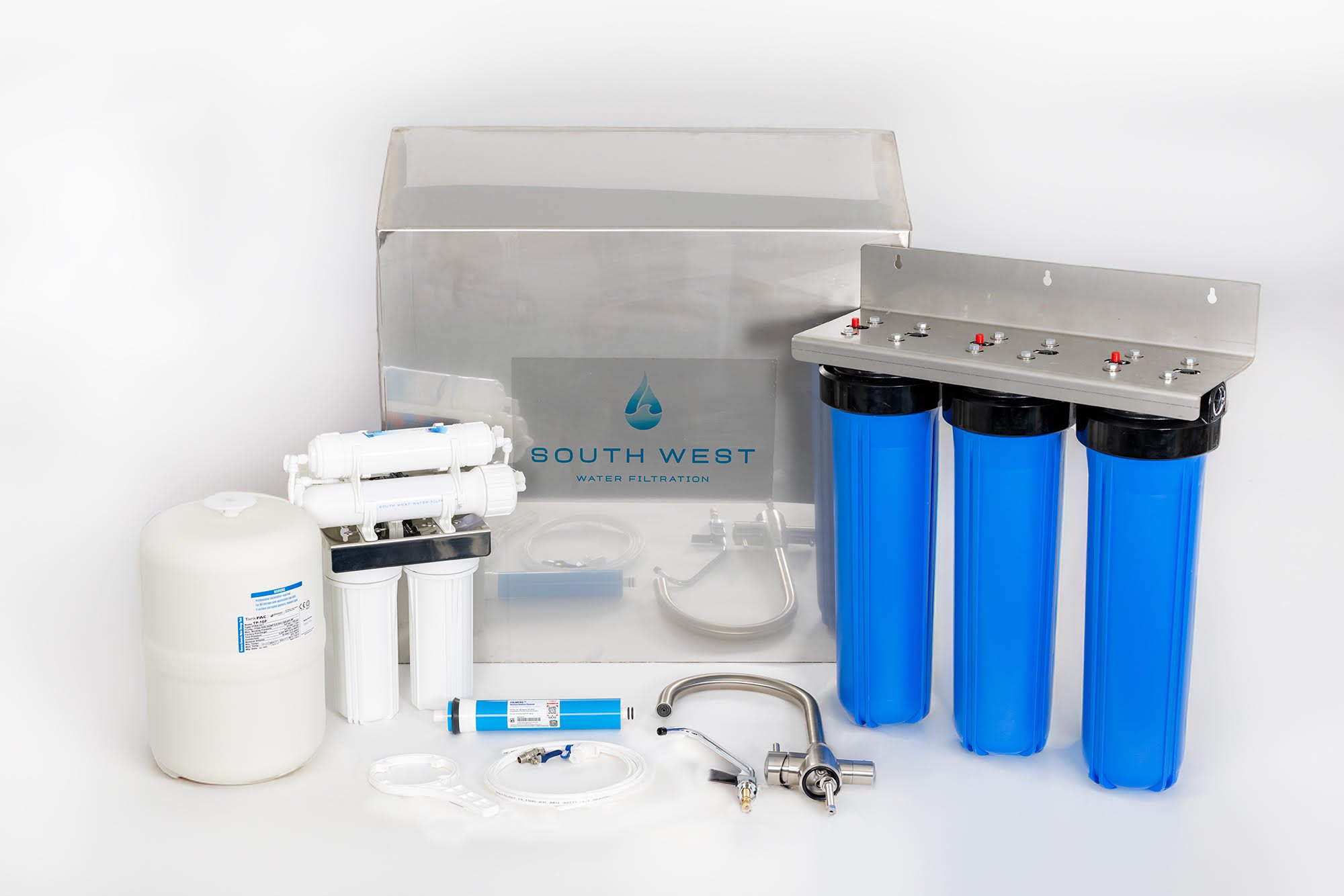 REVERSE OSMOSIS FILTRATION — South West Water Filtration
A Warning About Mineral Removal
RO systems remove everything, including good minerals like calcium and magnesium. That’s fine for short-term use. But if you drink only RO water for years, you might miss those minerals. Solution: add a remineralization filter. It puts the good stuff back in. Problem solved.
Another weird fix: eat a handful of spinach. Boom, you just replaced the minerals. Your body won’t even notice.
Budget? No Problem.
You don’t need to sell a kidney. Decent RO systems start around $150. Fancy ones hit $600. The middle ground—around $300—gives you perfect water without the price panic.
Think of it this way: two months of bottled water costs you $200. An RO system pays for itself in a year. Plus, no more plastic bottles. The planet does a little cheer.
 Reverse osmosis system 60 фото - Dkelectro.ru
Maintenance is a Joke (A Short One)
You change filters every 6–12 months. The membrane lasts 2–3 years. That’s it. No oil changes, no tire rotations. Just unscrew, replace, done.
Pro tip: Set a calendar reminder. Your future self will thank you. Or, you know, just guess when it’s time. The water will taste slightly less amazing. You’ll know.
The Final Sip
A good RO system is like a silent superhero. It hides under your sink, works tirelessly, and delivers water that’s crisp, clean, and almost unreal. It makes you look forward to staying hydrated.
So go ahead. Get one. Fill a glass. Stare at it. Take a sip. Smile. You just became the coolest person in your zip code. Water never had a cooler moment.
