Best Salt For Water Softener

So, you’ve bought a water softener. Congratulations! You’re now the proud parent of a glorified bucket that demands a specific diet of salt. And if you feed it the wrong stuff...

So, you’ve bought a water softener. Congratulations! You’re now the proud parent of a glorified bucket that demands a specific diet of salt. And if you feed it the wrong stuff, your pipes will throw a tantrum, your dishes will look like they’ve been licked by a ghost, and your shower will feel like you’re rinsing off with sandpaper. Let’s fix that, shall we?
Salt is Not Just Salt
I know, I know. You’re standing in the grocery aisle, staring at a bag of Morton’s that costs three bucks and a bag of “water softener salt” that’s somehow forty dollars. Your brain screams, “It’s all sodium chloride, you idiot!” But your brain is wrong, and it should be punished.
Here’s the dirty secret: table salt is a chaos agent. It contains anti-caking agents (like yellow prussiate of soda—yes, that’s a real thing, and no, it doesn’t involve medieval torture) that turn your softener’s brine tank into a cement factory. You’ll end up with a crusty, rock-hard salt bridge that laughs at your attempts to regenerate.
Must Read
Think of it this way: using table salt in your softener is like feeding a vegan a steak. It’s just not going to end well.
The Types: A Tale of Three Salts
Solar salt is the laid-back surfer dude of the salt world. It comes from evaporated seawater and looks like giant, chunky crystals. It’s cheap, it’s messy (you’ll find salt dust in places you didn’t know you had), but it works. The downside? It leaves a lot of insoluble gunk—basically mud—in your tank, so you’ll need to clean that sucker out every six months or face the consequences.
 Morton Water Softener Salt Review. Is It Worth The Buy? - Filtersmart
Evaporated salt is the pristine, Instagram-model version. It’s 99.9% pure, made by dissolving salt deposits deep underground and then re-crystallizing them into perfect little pellets. It costs more, but it dissolves like a dream. Your softener will purr like a happy cat, and you’ll only need to clean the tank once a year, if that. For the love of plumbers, if you have a high-end softener, this is your only choice.
Rock salt is the wild card. It’s mined directly from the earth, looks like gravel, and is about as pure as a politician’s promise. It’s cheap, but it’s also full of calcium and magnesium—the very things you’re trying to remove from your water. So you’re basically pumping dirt back into your pipes. Smart move, genius.
What About Potassium Chloride?
Ah, the hipster alternative. Potassium chloride is salt’s fancy cousin that costs about $30 a bag and claims to be “sodium-free.” And it’s true—it won’t add sodium to your water, which is great if you’re on a low-sodium diet or you’re a human-sized blood pressure cuff.
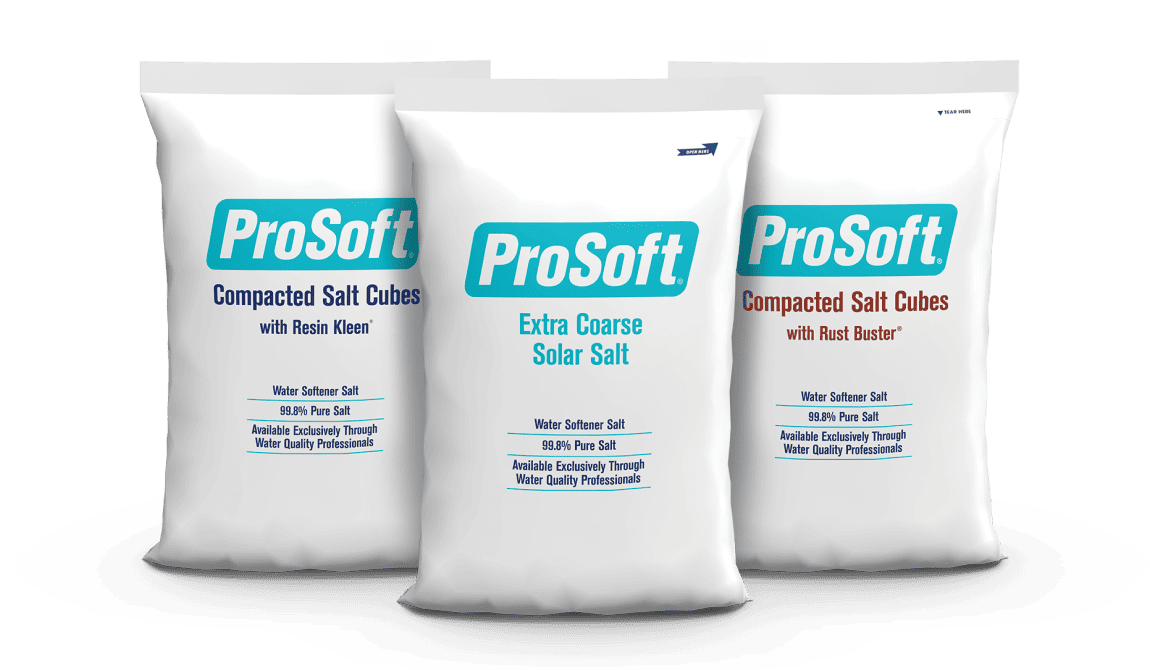 ProSoft® Water Softener Salt
But here’s the kicker: it’s weaker than a cup of decaf coffee. You’ll use way more of it, and your softener will regenerate more often. Translation: you’ll be hauling heavy bags into your basement like a salt mule. Unless you absolutely need to avoid sodium, stick with evaporated salt and save your back.
The Surprising King of Salt
Let me blow your mind: the best salt for your water softener isn’t even salt. It’s salt pellets that have been processed with a secret weapon—polymer binders. These are special agents that make the pellets dissolve evenly, prevent mushing, and reduce bridging. Yes, you’re feeding your softener an engineered hyper-salt. Embrace the future.
Brands like Diamond Crystal (the “solar salt with a twist”) or Morton’s System Saver pellets are the undisputed champions. They’re not the cheapest, but they’re the smartest. Think of it as paying for a Toyota Camry instead of a lawnmower engine—you get reliable, pain-free service.
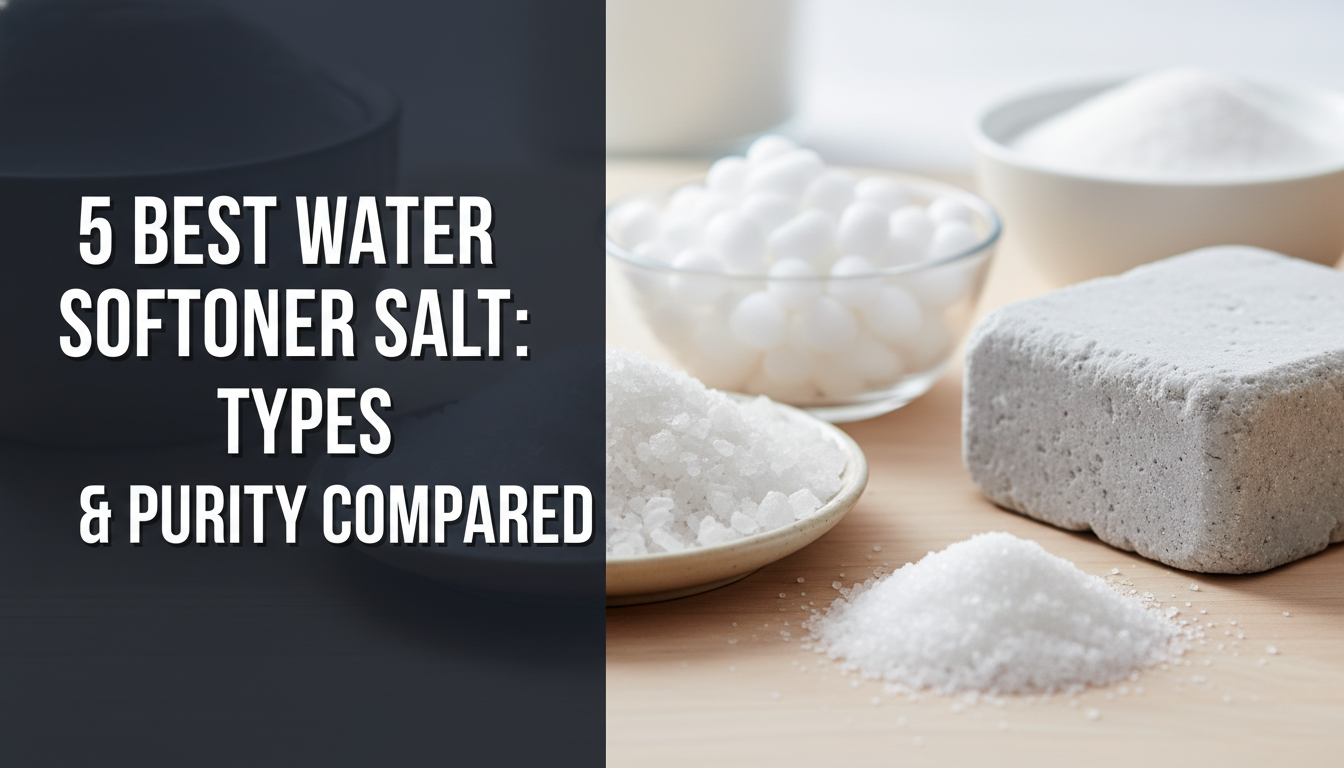 5 Best Water Softener Salt: Types & Purity Compared
The Forbidden Foods
Never use rock salt, ice melt, or that weird pink Himalayan stuff you probably bought at Whole Foods. The Himalayan stuff is beautiful, yes, but it’s full of iron and minerals that will stain your fixtures orange. You’ll have a lovely orange-tinted toilet and the soul of a frustrated plumber living in your pipes.
Also, never use salt labeled “rust remover” or “pool salt.” Those have anti-caking agents, dyes, or chemicals that will turn your water into a science experiment. Your softener is not a swimming pool, and it’s not a rusty truck.
A Quick Pro Tip (You Didn’t Ask For)
Keep your salt level above the water in the brine tank. If the salt dips below the water line, you’ll get a salty, unhappy solution that won’t regenerate properly. It’s like trying to make coffee with half the water—you just get brown bitterness. Fill the bag until it’s a foot above the water, and your softener will worship you as a salt god.
 5 Best Salt For Water Softener Pellets Or Crystals: Tested
And for the love of Kenmore, clean your brine tank annually. Empty it, scrub out the slimy, crusty buildup, and rinse it. If you don’t, your softener will eventually look like a science fair project gone wrong, and you’ll be calling a repairman who charges $150 just to lift the lid.
The Grand Finale
Here’s the whole truth, served on a silver platter: buy evaporated pellet salt from a reputable brand, keep the tank clean, and don’t overthink it. Your water will be soft, your skin will be smooth, and your coffee will taste like actual coffee instead of a mineral bath. Plus, you’ll never have to scrape a salt bridge again—and that, my friends, is a victory worth celebrating.
Now go forth and salt wisely. And maybe skip the Himalayan pink—it’s for lamps, not pipes.
