Best Sediment Filter For Well

So, you’ve got a well. Congratulations! You’re basically living in a rustic fantasy novel, minus the dragons. But let’s be real, that lovely “rustic” water sometimes comes wit...
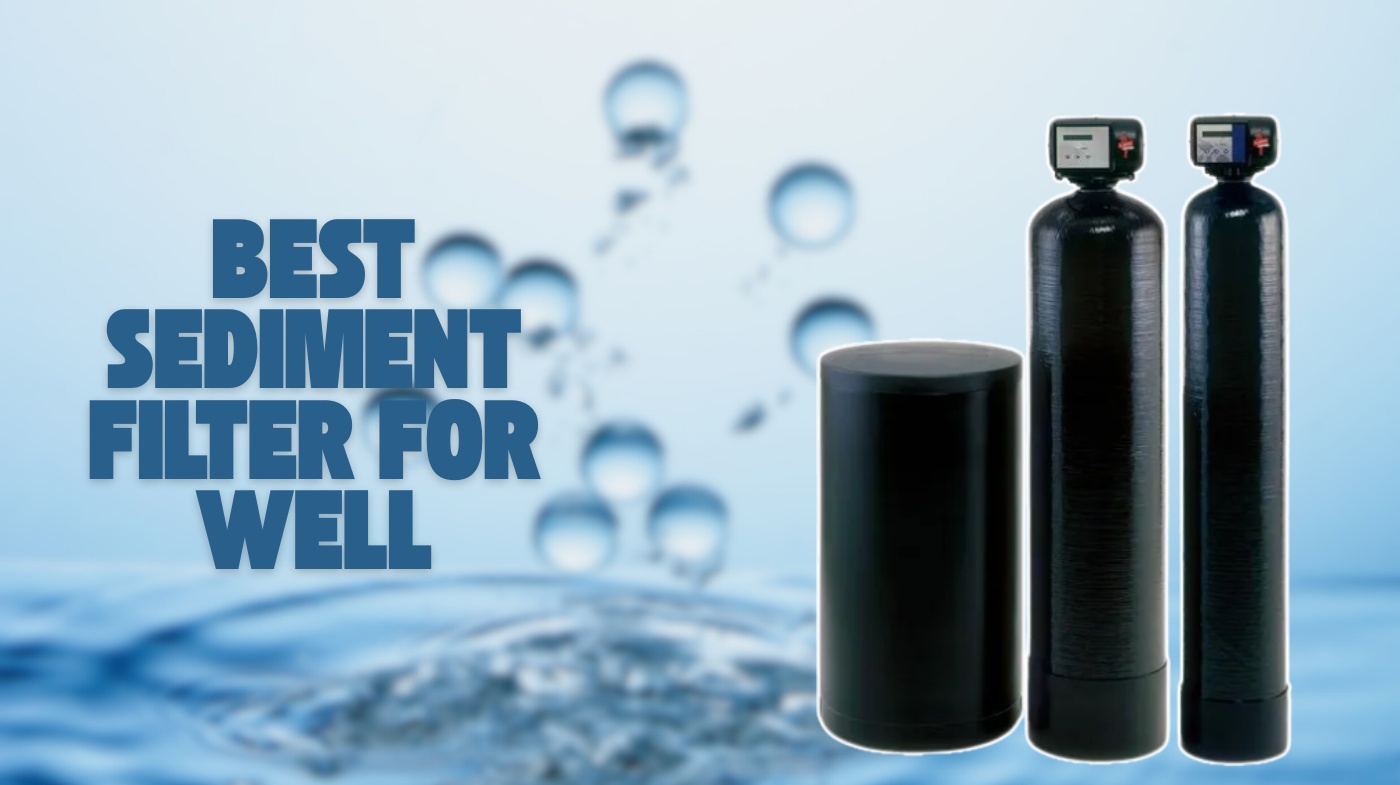
So, you’ve got a well. Congratulations! You’re basically living in a rustic fantasy novel, minus the dragons. But let’s be real, that lovely “rustic” water sometimes comes with a side of grit, sand, and mystery flakes that make you question everything. You don’t need a swamp in your glass; you need a sediment filter.
Think of a sediment filter as the bouncer at the club that is your home. It stops the party crashers—the dirt, rust, and silt—from getting to your faucets, water heater, and that fancy espresso machine you bought during lockdown. Without one, your appliances will throw a tantrum and clog up faster than a teenager’s bathroom drain.
Picking the best one isn’t rocket science. It’s more like picking the right pair of shoes for a hike. You just need to know the terrain. Let’s break down the top contenders, shall we?
Must Read
The Heavyweight Champion: Spin-Down Filters
If your well water looks like a muddy river after a storm, meet your new best friend. A spin-down filter uses centrifugal force—fancy science words—to fling heavy particles against a clear bowl. The grime then settles at the bottom where you can flush it out with a turn of a valve.
It’s like a merry-go-round for dirt. The best part? No cartridges to buy! You just spin a knob and watch the muck fly away. It’s oddly satisfying, like popping bubble wrap but for your plumbing.
Pro tip: These are amazing as a pre-filter to catch the big stuff. Think of it as the first line of defense before a finer filter. Your whole system will thank you with a long, happy life.
 We Tested the 6 Best Sediment Filters for Well Water 2026! Stop Clogged
The “Set It and Forget It” Star: Pleated Cartridge Filters
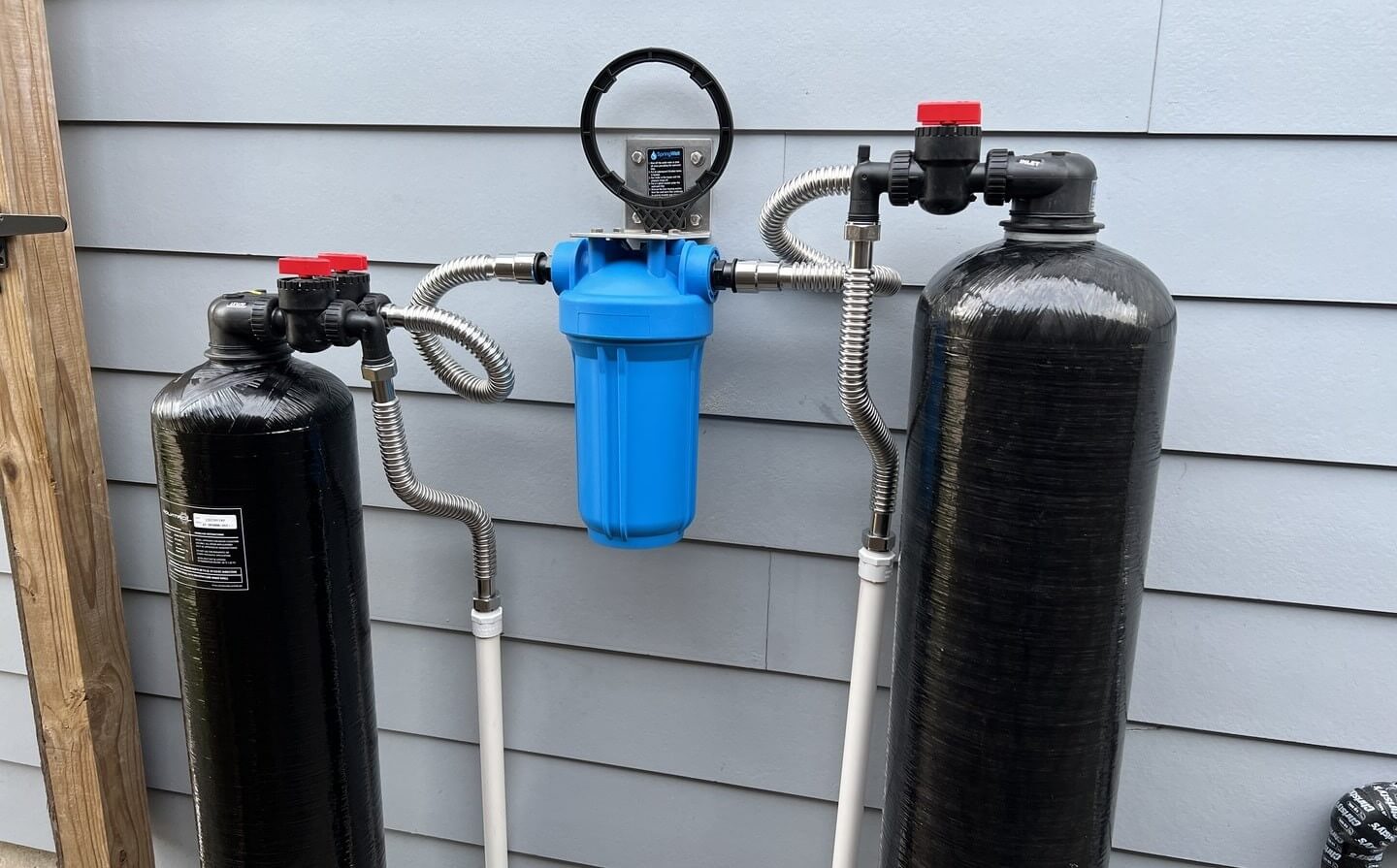
Now, if your water is mostly clear but has a little “character” (a.k.a. fine sand or flakes), a pleated cartridge filter is your jam. These guys look like a fabric accordion and offer a huge surface area. More surface area means less clogging and longer life between changes.
They are also washable, which is a magic word for lazy folks like me. You can just rinse them off with a garden hose and pop them back in. Do that a few times, and you’ve stretched a $20 filter into a $100 value. Cha-ching!
For most homes, a 50-micron pleated filter is the sweet spot. It catches the sand without removing the water pressure. If you go too fine, you’ll be the guy changing a filter every Tuesday.
The Overachiever: String-Wound Filters
Imagine a very tight, very clean mummy made of string. That’s a string-wound filter. It works by trapping sediment between layers of polyester or cotton thread. These are the gold standard for capturing really fine particles, like rust flakes or silt that whispers.
 9 Best Sediment Filters for Well Water — Reviewed And Ranked
The downside? They clog a bit faster than pleated ones. But for that super-clear, crystal water that makes ice cubes look like diamonds? Worth it. Upgrade your ice game, people.
Just remember: these are usually one-and-done. When they turn brown, it’s time to toss them in the trash and install a fresh one. No rinsing allowed—unless you enjoy muddy string art.
The Budget Hero: Big Blue Filters (10-inch or 20-inch)
You’ll see a lot of 10-inch “standard” filters, but let me tell you a secret. The Big Blue filter housings (the 20-inch kind) are legendary. They hold way more dirt and last twice as long between changes. Yes, they look like a mini torpedo, but that’s the price of efficiency.
 5 Best Sediment Filters for Well Water (MUST Review Before Buying)
Think of it this way: a standard filter is a snack; a Big Blue is a Thanksgiving dinner. Your water bill won’t change, but your sanity will improve dramatically. Go big or go home—especially if you have a family that fights over the shower.
Pair a Big Blue with a 5-micron or 10-micron pleated cartridge for the ultimate balance of filtration and flow. Your well water won’t know what hit it.
How to Avoid a Total Fail
Whatever you choose, don’t skip the pressure gauge. Install one before and after the filter (or use a filter housing with a built-in gauge). If the pressure drops by 10 PSI, your filter is screaming for a change. Listen to it.
Also, please buy filters from a reputable brand. Off-brand “deals” on the internet are like buying sunglasses from a gas station—they look okay until the sun comes out, then you realize they’re just tinted plastic. Stick with brands like Aquaboon, iSpring, or Pentek. They know their dirt.
 5 Best Sediment Filters For Well Water: Tested & Reviewed 2026
And for the love of all that is bubbly, flush your pipes after installing a new filter! Let the water run for 5 minutes to get rid of any carbon dust or manufacturing weirdness. Otherwise, your first glass of water will taste like a new pair of sneakers.
The Final Pour
Look, your well water is a gift. It’s free, fresh, and doesn’t come with a monthly bill from the government. But it’s a bit like a wild horse—you need to tame it gently. A good sediment filter is your saddle, your bridle, and your encouraging whisper.
So grab a spin-down if you have gravel rivers, a pleated cartridge if you have minor sand, or a string-wound Big Blue if you want to feel like a water purification wizard. The options are endless, and all of them are better than drinking from a muddy puddle.
Now go forth, install that filter, and pour yourself a big, clear, perfect glass of water. You deserve it. And hey—if you accidentally install it backward, just blame the instructions. We won’t tell. Cheers to clean water and happy pipes! 🚰✨
