Best Water Softener Well Water

So there we were, my husband and I, staring at our showerhead like it had personally offended us. It was spewing a chalky, white sludge that turned our morning rinse into a gr...
So there we were, my husband and I, staring at our showerhead like it had personally offended us. It was spewing a chalky, white sludge that turned our morning rinse into a gritty exfoliation session—minus the spa vibe. We thought we were just unlucky, until our plumber chuckled and said, “That’s hard well water for you, folks. Your pipes are basically crying.”
That’s when we dove headfirst into the world of well water softeners. If you’re on a private well, you know the drill: that iron-stained laundry, the crusty faucets, and the dry skin that no lotion can fix. Trust me, I’ve been there. The good news? You don’t have to suffer in silence—or in flakes of calcium scale.
Why Well Water is a Whole Different Beast
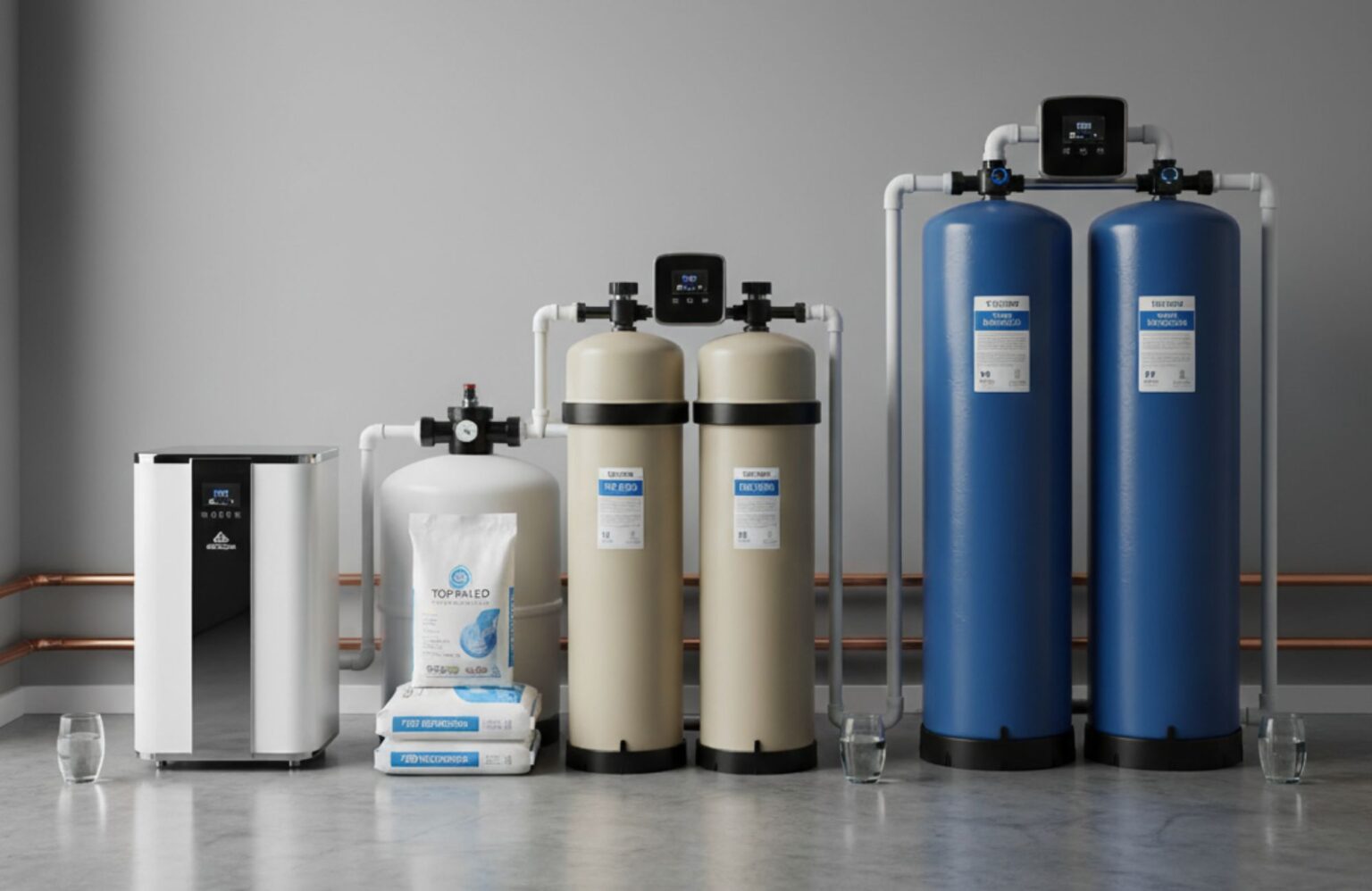
First off, city water is treated and predictable. Well water? It’s a wild card. You might have manganese that turns your sinks orange, or sulfur that makes your water smell like rotten eggs—yum. A standard water softener isn’t always enough because well water often brings along iron and sediment that need extra muscle.
A dedicated “best water softener for well water” typically includes a pre-filter or a backwashing system to tackle those grit and oxidation issues. Otherwise, you’re just softening the sludge—which is like putting a bow on a garbage can. Not ideal.
The Hard Truth: Softeners vs. Conditioners
You’ll hear a lot of buzz about “salt-free” conditioners. They sound fancy, but here’s the irony—they don’t actually soften your water; they just prevent scale. If you have hard well water (over 10 grains per gallon), you need an ion exchange softener that swaps calcium and magnesium for sodium or potassium. Sorry, crunchy folks—that’s just the science.
For well water, look for a model with a three-cycle regeneration (backwash, brine, rinse) and a high resin capacity. Brands like Fleck or AO Smith often have models with an iron-busting boost. You’ll know it’s working when your shampoo actually lathers—a small miracle, honestly.
What to Look For (No, You’re Not Overwhelmed)
You want a system that handles flow rate—if your shower and dishwasher run at the same time, a tiny unit will choke. Calculate your household’s peak demand: about 100 gallons per person per day. Then add 20% for iron content. Simple math, big payoff.
Also, check if the softener has a self-cleaning filter for sediment. Well water picks up sand and silt like a toddler at the beach. Some units, like the GE GXSH50E, have a dedicated sediment trap. It’s not glamorous, but neither is scrubbing rust rings off your toilet.
The Iron Clown Show
Let me tell you about “iron fouling.” You’ll wake up one day and your softener resin looks like a pumpkin. That’s iron poisoning. If your water has over 2 ppm of iron (a simple test will tell you), you either need a filtration system before the softener or a softener with a catalytic media like Filox or Birm. Yes, it costs more. No, your wallet won’t cry forever.
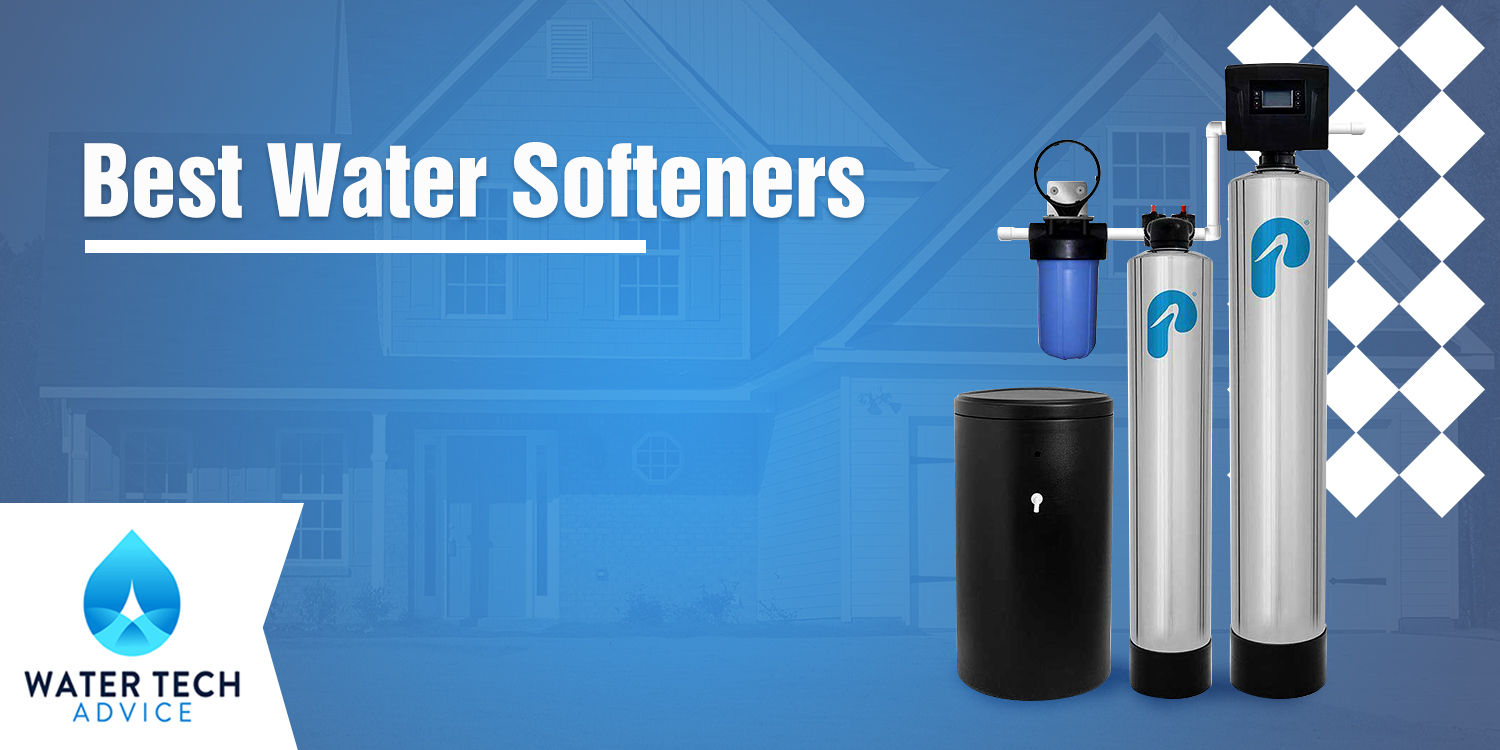
Some clever folks add a polyphosphate feeder to protect against that. But honestly, for most homes, a combo unit—like the Springwell Well Water Softener—does the trick. It mixes a filter and softener in one sexy-looking tank. You’ll feel like a water wizard.
A Word on Maintenance (Don’t Panic)
Well water softeners need a little TLC. Once a month, check the brine tank for salt bridges (when salt hardens into a crust). A cheap plastic broom handle is your best friend here—just poke it around. Also, recharge with potassium permanganate if you have iron bacteria—yes, it’s a mouthful, but your water will thank you.
Oh, and clean the brine tank every six months with bleach and water. It takes an afternoon, but it beats drinking rust-flavored coffee.
Final Sip: What’s Worth Your Money?
If I could go back in time, I’d tell my past self to buy a system based on your raw water test. Not on looks, not on Amazon reviews. A $1,500 softener is a steal if it handles your specific monster—high iron, sediment, or pH. Brands like Pelican and iSpring make units specifically for well water with bypass valves and NSF certification (non-negotiable, really).
And that showerhead I mentioned? We swapped it out after two weeks of the new softener. No sludge, no squeaky skin—just silky, clean water. I even caught my husband humming in the shower. That’s the real win.