Best Home Water Filter Systems

So, you’ve decided to drink more water. Good for you! Your kidneys are doing a little happy dance. But then you take a sip from the tap and—bam—it tastes like a swimming pool’...
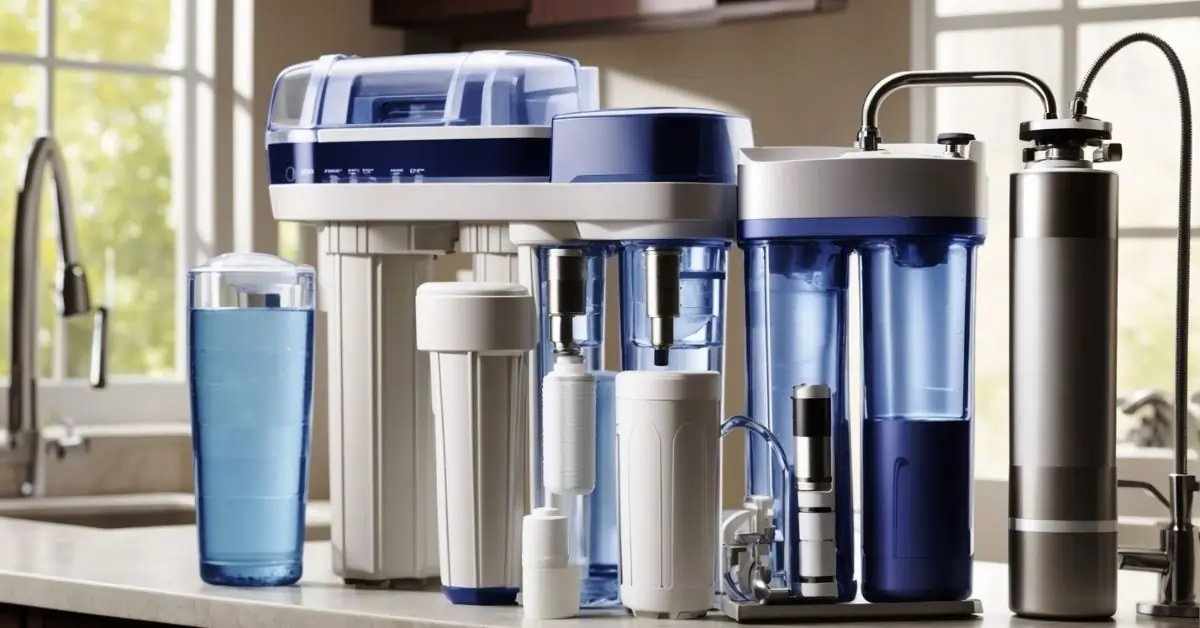
So, you’ve decided to drink more water. Good for you! Your kidneys are doing a little happy dance. But then you take a sip from the tap and—bam—it tastes like a swimming pool’s forgotten cousin.
That’s where home water filters come in. They’re the unsung heroes of the kitchen counter. And honestly, the options are wilder than a reality TV show reunion.
Why Your Tap Is a Drama Queen
Your municipal water is basically a cocktail of chlorine, minerals, and the ghosts of old pipes. It’s safe to drink, but so is a shoe if you’re desperate. Filtering removes the weird tastes and smells, so you can finally enjoy that crisp, mountain-stream fantasy.
Must Read
Surprising fact: one in four Americans gets their drinking water from a source that violates safety standards at least once a year. That’s not a statistic—that’s a watery Russian roulette.
The Pitcher Filter: The Humble Hero
You know the one. It sits in your fridge like a nerdy roommate who never bothers anyone. A standard carbon filter pitcher removes chlorine, bad tastes, and some sediment. It’s cheap, simple, and requires zero tools—unless you count your bicep for lifting it.
But here’s the joke: it takes forever. You’ll pour a glass, then wait thirty seconds as it glugs through the filter like a lazy python digesting a goat. Patience is the price you pay for not having to call a plumber.
When to Use It
Great for renters, dorm dwellers, or anyone whose landlord screams “No modifications!” every time they sneeze. Just don’t expect to filter out lead or heavy metals—that’s a job for the big kids.
:max_bytes(150000):strip_icc()/best-home-water-filters-4159152-jay-wilde-339602794a074e40a92c71cacded5dd2.jpg) The 8 Best Whole-house Water Filters of 2024
The 8 Best Whole-house Water Filters of 2024
Under-Sink Filters: The Ninja in the Cabinet
These bad boys tuck away under your sink and connect directly to your cold water line. It’s like having a secret agent for your water. Most use a two-stage or three-stage filtration system: carbon, sediment, and sometimes a reverse osmosis membrane.
Reverse osmosis, or RO, is the overachiever. It pushes water through a semi-permeable membrane that blocks everything—fluoride, arsenic, even tiny plastic particles. The downside? It wastes a fair bit of water. You’ll pour out maybe three gallons for every one you drink. Mother Nature just raised an eyebrow.
On the upside, your water will be so pure it might start wearing a monocle. I once tasted RO water that was so clean, I felt like I was drinking liquid silence.
Whole House Filters: The Grand Poobah
This is the system for people who think “Why clean just the drinking water when my shower could also taste good?” Spoiler: it won’t taste good, but your skin will thank you. A whole house filter installs at your main water line and treats every single tap in your home.
 Best Home Water Filtration Systems | How to Choose
You know that terrible “sulfur egg” smell from hot water? A whole house carbon filter nukes it. And if you live somewhere with hard water (that’s what my plumber calls “chalky rage”), you might need a water softener too. Your dishes will stop looking like they have a permanent white rash.
Fun fact: hard water costs you money. It clogs pipes, ruins appliances, and makes your soap less effective. A softener plus a filter is like giving your plumbing a spa day.
The Installation Hassle
Installing one is not a Saturday afternoon project. You’ll need plumber’s tape, a pipe cutter, and the patience of a monk watching a toddler paint. If you’re not handy, pay a pro. It’s cheaper than flooding your basement and explaining to your partner why the hallway looks like a swamp.
Countertop Filters: The Drama-Free Middle Child
These sit on your counter like a fancy robot. They connect directly to your faucet with a diverter valve. No drilling, no crying. They’re powerful—many use carbon block, KDF, or even ceramic filters that can remove bacteria and cysts.
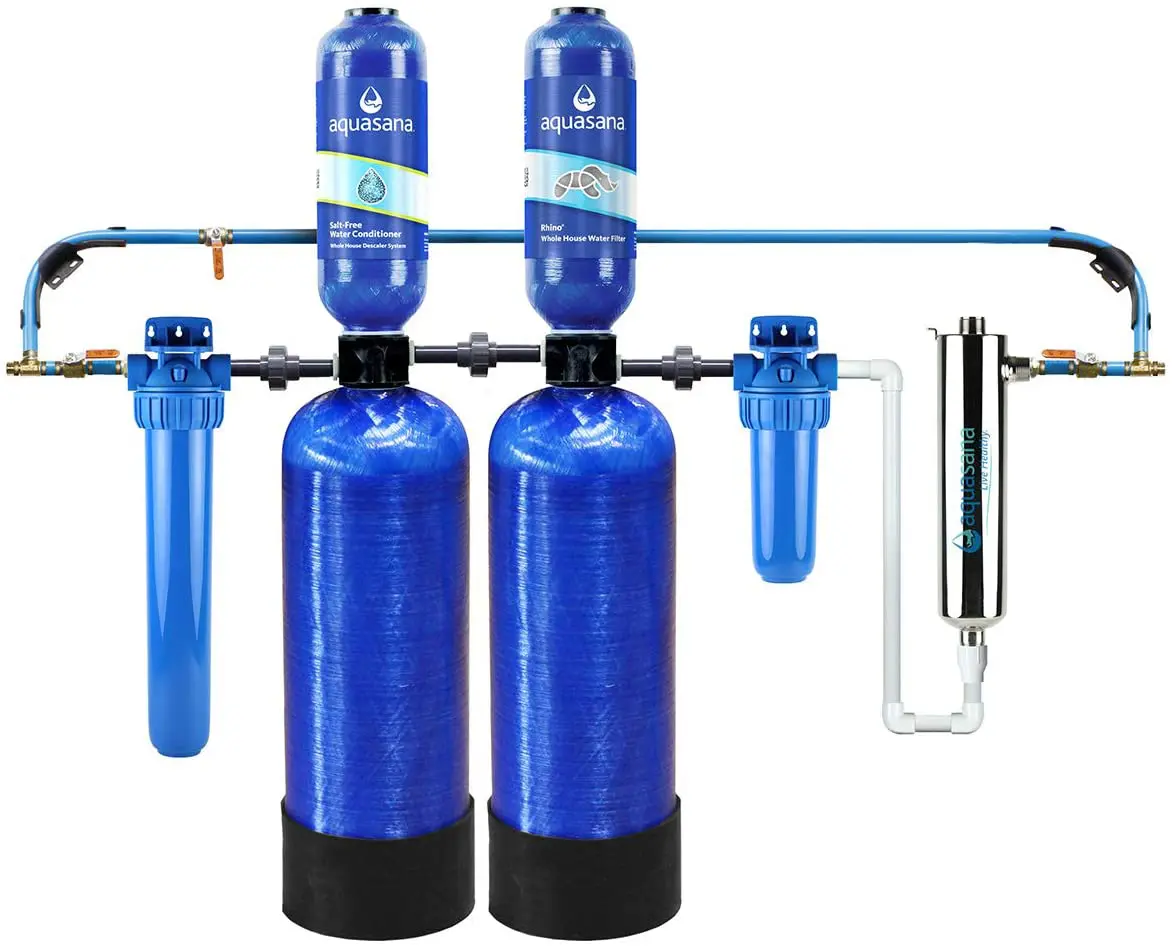 10 Best Whole House Water Filters of 2026 (See Our #1 Top Home Water
I call them “the compromise candidate.” They filter better than a pitcher but don’t require you to crawl under your sink. Your back will appreciate the middle ground. Just be prepared for your counter looking slightly more industrial than Martha Stewart would approve.
Faucet-Mounted Filters: The Speedy Gonsalez
These attach directly to your faucet spout. Perfect if you hate waiting. They filter instantly—flip a lever and presto, clean water. But they’re a little ugly. Let’s be real. It’s like putting a trash can on a dining table.
They also slow down your water pressure, which may make you feel like you’re trying to fill a pot in slow motion. Still, for the price (around $30–50), they do a solid job removing chlorine and sediment. Just don’t expect to filter out a nuclear meltdown.
The Elephant in the Room: Microplastics
Here’s the terrifying fact: microplastics are everywhere. In your tap water, bottled water, rainwater, and probably in your morning coffee. Only the best filters—like reverse osmosis or those with a micron rating of 1 or less—catch them. That’s smaller than a human hair split 50 times. Mind. Blown.
 Best Home Water Treatment System at Wilfred Mccarty blog
And bottled water? Often it’s just tap water in a fancy plastic suit. And you pay 1,000 times more for it. The irony is thick enough to spread on toast.
How to Pick Your Poison
First, test your water. You can buy a cheap kit at a hardware store or send a sample to a lab. Why? Because guessing is like buying a raincoat for a desert vacation. If you only have chlorine issues, a pitcher is fine. If lead shows up, you need a serious filter with certification.
Look for NSF certification. It’s the gold stamp that says the filter actually works—not just looks pretty. And don’t forget to change the cartridges on time. A dirty filter is just a colony for bacteria. It’s like having a petri dish you drink from. Delicious.
At the end of the day, the best system is one you’ll actually use. So don’t buy a whole house filter if you hate tools. Get a pitcher and call it a day. Your water will taste better, your skin might glow, and you’ll finally know what clarity tastes like. Cheers to that—just don’t forget to change the filter.
