Best Well Water Sediment Filter

Alright, let’s talk about well water sediment filters. You know, the unsung heroes of your plumbing system. If you’re on well water, you’ve probably seen your fair share of gr...

Alright, let’s talk about well water sediment filters. You know, the unsung heroes of your plumbing system. If you’re on well water, you’ve probably seen your fair share of grit, sand, and mysterious brown flakes floating in your once-pristine glass of water. It’s basically nature’s way of saying, “Hey, have some dirt with your drink!”
Why you actually need one?
Think of a sediment filter as the bouncer at a nightclub, but for your pipes. Its job is to kick out the unwanted party crashers—like silt, rust, and tiny rocks—before they can clog up your faucets, dishwasher, or that expensive coffee maker you love. Without one, your appliances throw a silent tantrum and eventually break down, costing you cash.
And let’s be real: nobody wants to shower in water that looks like weak iced tea. A good sediment filter keeps your water crystal clear, so you can actually see the soap suds doing their thing. Your skin and hair will thank you—no more feeling like you just bathed in a riverbed.
Must Read
The main types: Spin-down vs. Cartridge
First up, we have the spin-down filter. This one is basically a fancy tornado in a clear plastic tube. Water spins around like a carnival ride, flinging heavy sediment to the bottom, where you flush it out with a handy valve. It’s low-maintenance and perfect if your well is a sand factory.
On the other hand, we have the cartridge filter. This is the “replace the cartridge every few months” kind of guy. It uses a mesh or a pleated filter to trap particles, like a net for microscopic fish. If your water has fine silt or clay, this is your best buddy.
Which one wins? Honestly, it’s like choosing between pizza and tacos. You might need both if your well is especially grumpy. Many setups use a spin-down first to catch the big chunks, then a cartridge to polish the water. That’s the dream team right there.
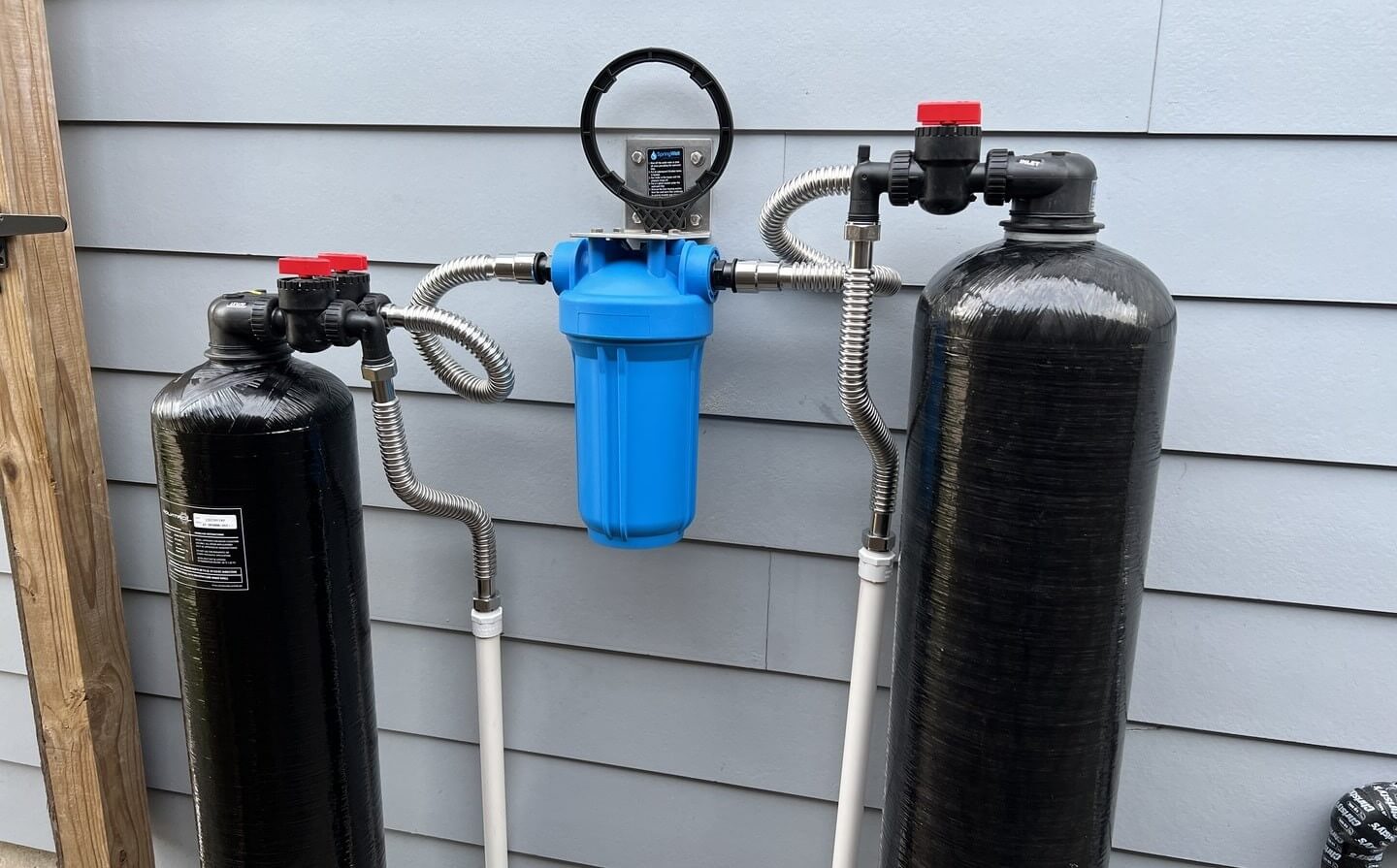 9 Best Sediment Filters for Well Water — Reviewed And Ranked
What to look for when shopping
So you’re ready to buy one? Great! First, check your flow rate. If you live in a mansion with three bathrooms and a garden hose that never sleeps, you need a big filter. A tiny one will choke your water pressure faster than a toddler swallowing a grape.
Next up, micron rating. Don’t let the fancy word scare you. A 50-micron filter catches big stuff like sand. A 5-micron filter catches specks so tiny, you’d need a microscope. For most wells, 20 to 50 microns is the sweet spot—enough to stop grit, but not so fine that it clogs every Tuesday.
Material matters too. Stainless steel housings last forever and look kinda cool. Plastic ones are cheaper but can crack if you look at them wrong during winter. Spend the extra ten bucks on metal, unless you enjoy mopping up a basement flood.
 The 4 Best Sediment Filters for Well Water
My top picks for the job
Rusco Spin-Down Filter is a classic. It’s built like a tank, has a see-through bowl so you can watch the dirt party, and flushing it is as easy as turning a knob. Plus, it’s reusable—no cartridges to buy. Your wallet will high-five you.
If you want a cartridge system, the iSpring WSP50 is a boss. It’s a whole-house unit with a big blue housing that screams “I mean business.” You can get it with a 50-micron cartridge for sand or a 5-micron for that fine, silty muck. Your water will come out clearer than your future.
And for the budget-conscious? The GE Whole House Sediment Filter gets the job done without breaking the bank. It’s affordable, easy to install, and works fine as long as your well isn’t trying to win a “most dirt” competition. Just swap the cartridge every three months and you’re golden.
Installation: You can do it, I promise
Installing a sediment filter isn’t rocket surgery. You just need a pipe wrench, some Teflon tape, and a little bit of confidence. Most units come with clear instructions, and if you can watch a YouTube video, you can do this. Caveat: turn off the water first, unless you enjoy indoor swimming.
 5 Best Sediment Filters For Well Water: Tested & Reviewed 2026
You’ll mount it on the main water line, right after the pressure tank. That way, it catches everything before it heads to your pipes. A pro tip: add a shut-off valve on each side so you can swap cartridges without draining the whole system. Your future self will send you a thank-you card.
A few friendly warnings
Don’t buy a filter that’s too fine right out of the gate. A 1-micron filter will clog in a week if your well is sandy, and then you’ll be cursing at Amazon for a refund. Start with a coarser filter, then add a fine one later if you need it. Baby steps, my friend.
Also, watch out for cheap plastic housings with metal threads. The metal corrodes, the plastic cracks, and suddenly you have a waterfall in your basement. Buy a solid brass connection or a full stainless steel unit. You’re worth it.
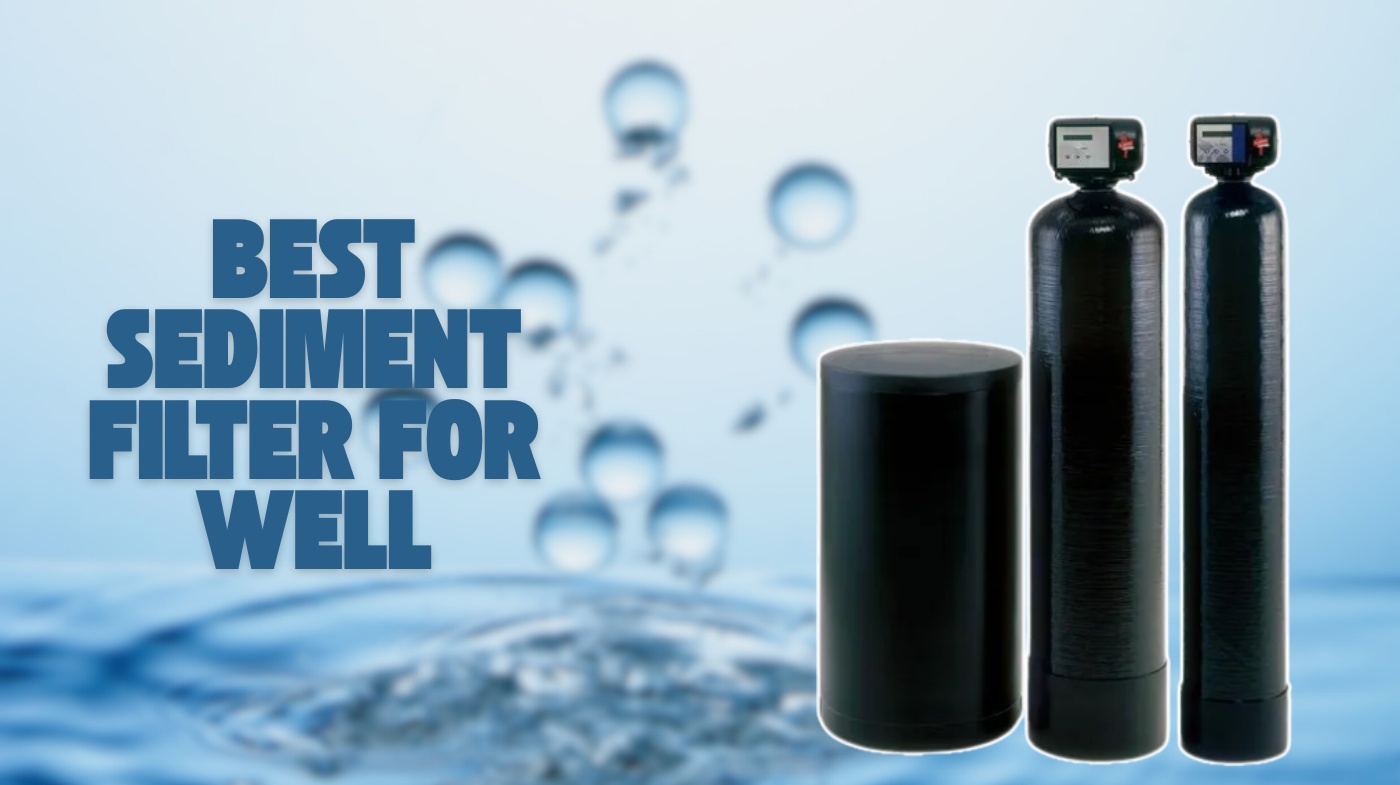 Best Sediment Filters for Well Water – Clean Solutions – Plumbing Ways
Making the final call
Choosing the best well water sediment filter really comes down to knowing your enemy. Is it sand? Go spin-down. Is it fine silt? Go cartridge. Is it both? Get the combo and sleep easy. Your water should be boring—clear, tasteless, and free of floaty surprises.
And remember, you don’t need to spend a fortune to win this battle. A $50 filter can save you hundreds in appliance repairs. It’s like buying a $5 umbrella to avoid a $500 rainstorm inside your fridge. Smart, right?
So go ahead, grab a filter, and give your well water the attitude adjustment it needs. Your pipes will purr, your dishwasher will dance, and your morning coffee will taste like it came from a cloud. You’ve got this, and your water’s about to be gloriously, beautifully boring.
Now go drink a glass of that clear, sparkling water. You earned it. Cheers to clean pipes, happy appliances, and no more mud surprises at the kitchen sink! 🥤✨
