Should A Water Softener Have Water In It

You know that moment when you peek inside your water softener tank and wonder if you're looking at a fish tank that forgot its fish? It happens. One second you're changing the...
You know that moment when you peek inside your water softener tank and wonder if you're looking at a fish tank that forgot its fish? It happens. One second you're changing the furnace filter, the next you're staring at a brine tank that looks either suspiciously dry or worryingly wet. It’s the existential crisis of home ownership: should a water softener have water in it?
Let’s get this straight right away: yes, it absolutely should. Think of it like your pet hamster’s water bottle. If it’s bone dry, the hamster (in this case, your softener’s resin beads) is basically panting and begging for a drink. A water softener without water in its brine tank is like a coffee maker without beans—useless and vaguely disappointing.
But here’s where it gets tricky. You walk past the tank one morning and it’s got a few inches of water sloshing around. That’s normal. You walk past a week later and it’s half-full. That’s also normal. Why? Because the thing is on a regeneration schedule, like a teenager’s sleep cycle: chaotic, but predictable if you know the pattern.
Must Read
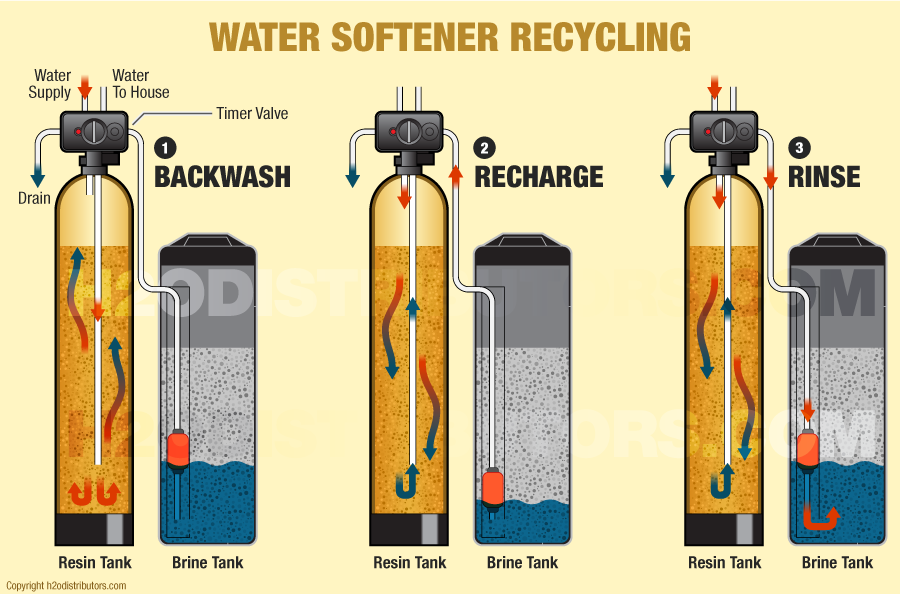
During regeneration, the tank fills with water to dissolve salt into brine. This brine is then sucked out to clean the resin beads. After that cycle, the tank drains again. So the water level goes up and down like a bad elevator. If you check it right after regen, you might see a couple inches of murky water. If you check it right before, it might be nearly dry. Both are fine.
When Your Softener Turns Into a Swimming Pool
Now, if you lift the lid and see water higher than the salt, stop and listen. That’s not normal. That’s your softener having a midlife crisis and deciding to become a koi pond. You should see a layer of salt above the water, like a crunchy snow cap on a mountain. If the water is swallowing the salt, you’ve got a problem called “salt bridging” or a stuck float valve.
I once saw a tank that looked like a bathtub after a bubble bath party. The water was clear to the top, with a few lonely salt pellets floating like tiny icebergs. My neighbor said, “It’s fine, it’s just confused.” It was not fine. A brine tank that overfills usually means the drain line is clogged or the control valve is stuck. Your water softener isn’t confused; it’s throwing a tantrum.
The Dry as a Desert Problem
On the flip side, opening a tank and seeing zero water, with salt sitting there like desert rocks, is also a red flag. This usually means the softener isn’t pulling water in during regeneration. That’s like trying to wash dishes without turning on the faucet. Your resin beads will eventually get crusty, hard, and useless. Just like neglected gym equipment.
I had a friend who ignored a dry tank for six months. He thought he was saving water. In reality, his “softened” water was as hard as a physics exam. His hair felt like straw, his dishes had spots that looked like tiny white maps, and his showerhead started whistling a sad tune. Moral of the story: dry tanks make sad showers.
So how much water is the “right” amount? Listen, there’s no single perfect number. Most manufacturers say you should see a few inches of water in the bottom of the brine tank. Think of it like a cup of coffee left overnight: a little bit at the bottom is fine, but you don’t want it swimming with sugar.
 How To Operate A Water Softener System at Ronald Pepper blog
How to Check Without Having a Panic Attack
Here’s a routine that won’t require a degree in plumbing. First, peek inside the tank two hours after a regeneration cycle. You’ll probably see some water and salt. That’s the “full belly” stage. Now, check it again the day before the next regen. If the water level is lower, you’re golden. If it’s exactly the same, you’re in trouble.
Another tip: listen to the softener. During regeneration, it should make a gentle gurgle like a happy stomach after soup. If you hear silence or a hiss like a deflating balloon, something is off. Your softener is trying to tell you it’s thirsty or drowning. Be its hero.
Also, remember that salt dissolves. So if you see water but no salt, don’t panic. It just means the salt melted and did its job. Add more salt. It’s not rocket science; it’s like refilling a salt shaker. You wouldn’t eat bland fries, so don’t let your water go soft on a whim.
The Takeaway: It’s a Relationship, Not a Mystery
In the end, your water softener is a lot like a houseplant. It needs water, but not too much. It needs salt, but not every day. And it will totally dry out or drown if you ignore it. Check it once a month. Give it a glance. If the water level looks weird, Google it or call a plumber. Don’t just assume it’s “fine” because you’re busy binging a show.
Remember that time your car’s low tire pressure light came on and you drove for two weeks before fixing it? Don’t do that to your softener. A little water in the tank is like a little love in a relationship—it keeps everything running smooth.
So, should a water softener have water in it? Yes, but not too much and not too little. It should have the Goldilocks amount: just enough for it to do its job, but not enough to force you to buy a rubber duck. Now go check your tank. I’ll wait.
