Do Salt Free Water Softeners Really Work

Let’s be honest: the phrase “salt-free water softener” sounds like a marketing oxymoron, like “jumbo shrimp” or “military intelligence.” We’ve been conditioned to think that h...
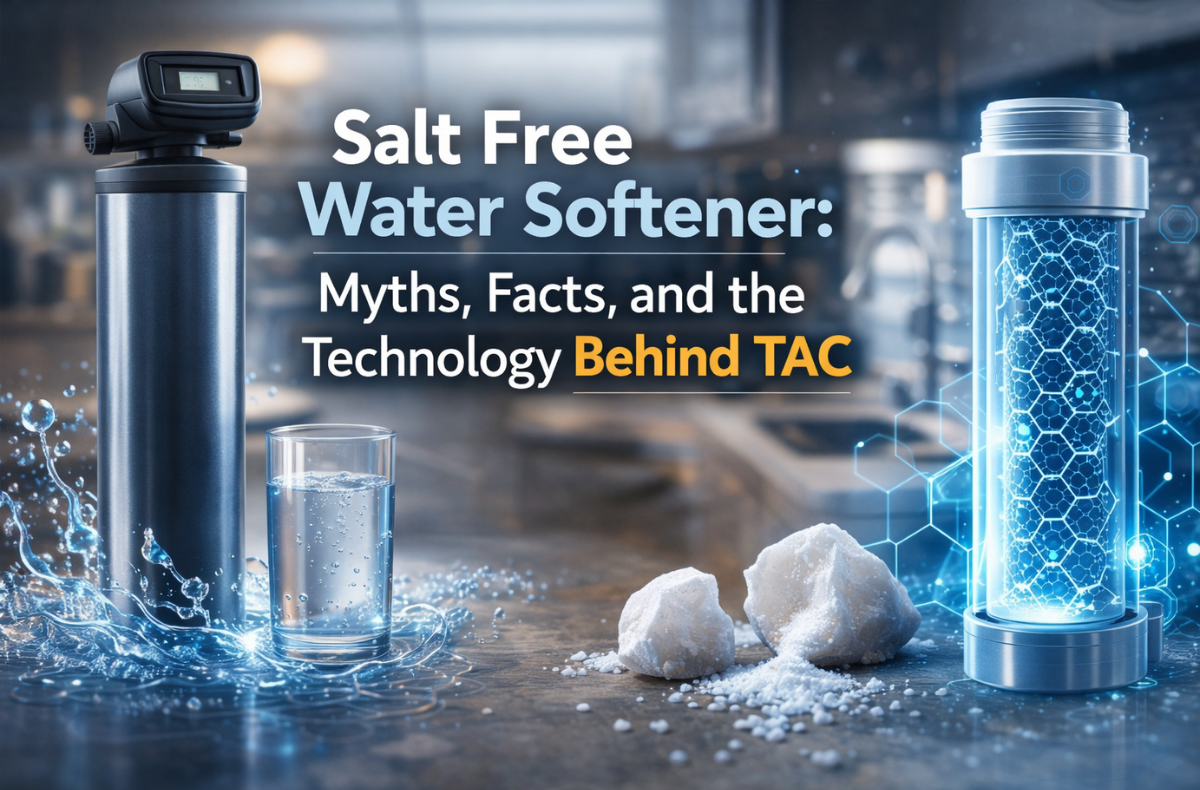
Let’s be honest: the phrase “salt-free water softener” sounds like a marketing oxymoron, like “jumbo shrimp” or “military intelligence.” We’ve been conditioned to think that hard water’s arch-nemesis is a big bag of sodium chloride dumped into a brine tank every month. But what if I told you that salt-free systems aren’t actually softeners at all—and that’s exactly why they might be perfect for your life?
First, let’s clear the air with a little science, served without the lab coat. Traditional salt-based softeners actually remove the calcium and magnesium ions that make water “hard,” swapping them for sodium. Salt-free systems, however, use a process called template-assisted crystallization (TAC) or physical water conditioning. They transform those minerals into harmless, microscopic crystals that simply flow through your pipes without sticking—like turning sticky caramel into non-stick sand.
So, do they really work? The answer is a frustratingly millennial “it depends,” but hear me out. If your main problem is scale buildup on your showerhead and that crusty ring in your toilet bowl, a salt-free system is a genuine game-changer. It prevents new scale from forming, which means less scrubbing, longer-lasting appliances, and hair that doesn’t feel like straw.
Must Read
The Big Catch: What Salt-Free Doesn’t Do
Here’s where the cultural reference comes in—remember the “No Soup for You!” scene from Seinfeld? That’s salt-free systems with soap lather. They do not give you that slippery, sudsy feeling of a traditional softener because they aren’t removing the minerals. You’ll still need more soap for laundry, and your hands won’t feel like you just applied a fancy moisturizer.
But here’s the fun fact: that slippery feeling? It’s actually the texture of sodium ions on your skin, not necessarily “cleaner” water. Many people prefer the “natural” feel of conditioned water, which leaves a slight mineral residue that feels more like a mineral spring than a chemistry experiment. It’s a preference, not a flaw.
Also, if you live in an area with extremely hard water—say, over 15 grains per gallon—salt-free systems can struggle. They work best as a preventive measure, not a miracle cure for decades-old scale. Think of it like sunscreen: it stops future damage, but it won’t fix an existing sunburn.
Practical Tips for the Salt-Free Curious
Tip One: Know your water hardness. You can buy a simple test strip at any hardware store for about ten bucks. If your water is under 10 grains per gallon, a salt-free system is a brilliant, low-maintenance choice. No salt bags to haul? That’s a win for your back and your weekends.
Tip Two: Pair it with a whole-house sediment filter. Salt-free systems love clean water. If your water has dirt or rust, the system gets clogged and becomes useless. A cheap pre-filter will save you headaches and keep that TAC media happy for years—think of it as a bouncer for your water.
Tip Three: Don’t expect your skin to feel like you just bathed in a luxury spa. If you’re chasing that slippery, silky feeling, you need salt. But if you hate the idea of extra sodium in your drinking water (even if it’s negligible) and care about the environment (no brine discharge into septic systems), salt-free is the eco-conscious cool kid.
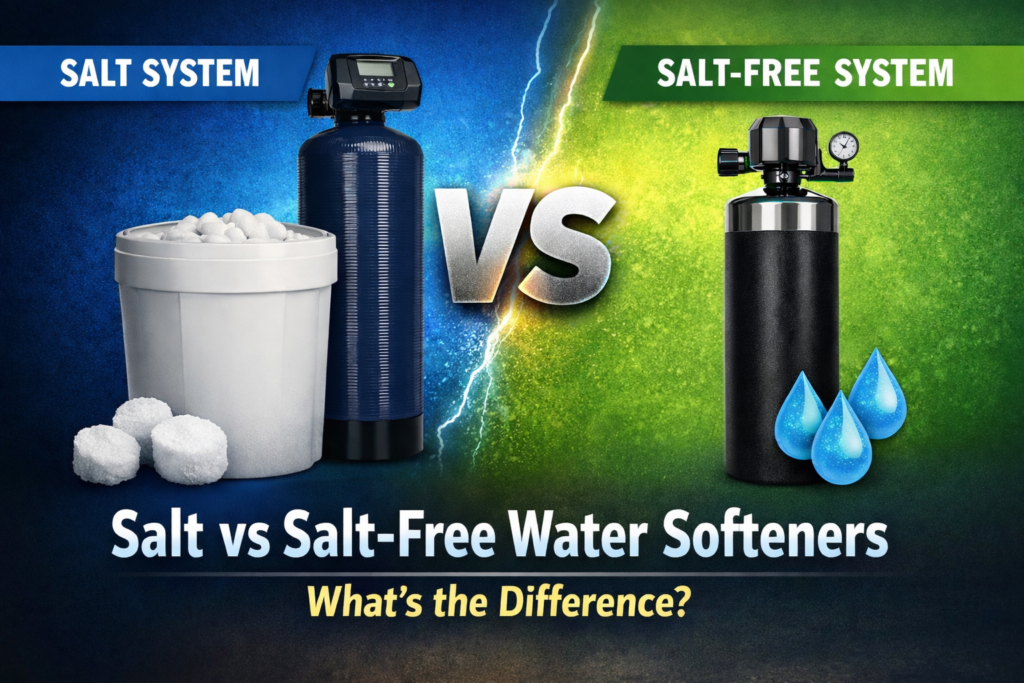 Salt Water Softeners vs. Salt-Free Water Softeners: What’s the
Fun factual bonus: some salt-free systems are approved for use in espresso machines and aquarium tanks because they don’t alter the pH or add salts. Try doing that with a traditional softener without a separate reverse osmosis faucet. Yes, your pet betta fish will thank you.
Cultural Wisdom & The “I Can’t Taste the Difference” Test
Remember when everyone switched to oat milk and realized it didn’t foam as well as whole milk? That’s your salt-free softener. It comes with trade-offs. But here’s the real talk: if you’re someone who cooks with tap water (hello, pasta water for carbonara), a salt-free system keeps the mineral taste intact. Traditional softeners can make water taste faintly salty, which throws off your flaky sea salt perfection.
And let’s talk about aesthetics. No more ugly brine tank taking up space in your garage or laundry room. Salt-free units are sleek, wall-mounted boxes that look like a Wi-Fi router. They’re the minimalist’s dream—form meets function meets “I don’t want to think about my water.”
True story: a friend of mine installed one and joked that her husband finally remembered to do the dishes because the glasses came out sparkling without etching. Coincidence? Maybe. But clean dishes are a powerful love language.
The Bottom Line (With a Side of Reality)
If you want to stop scale without chemicals, salt-free works. It won’t make your water “soft” in the traditional sense, but it will make it “conditioned”—which is like the difference between a full-time trainer and a friend who encourages you to go for a jog. Both are beneficial; one is just less intense.
Consider your lifestyle. Are you a set-it-and-forget-it type? Love a low environmental footprint? Fine with using a bit more dish soap? Then salt-free is your jam. Are you obsessed with zero spots on your car after a wash? You might need salt plus a reverse osmosis system.
Here’s the reflection that ties it all together: We spend so much time trying to “fix” the things in our lives—water, relationships, careers—that we forget the value of working with what’s already there. Salt-free water conditioning doesn’t strip away your water’s character; it just makes the hard parts a little easier to live with. And isn’t that a nice metaphor for a Tuesday morning?
So go ahead, skip the salt. Your pipes will breathe easier, your conscience will be a little greener, and you’ll still have room in your garage for that vintage bike you keep meaning to ride. Cheers to that.
