Is Warm Water From The Tap Safe To Drink

So, you’re standing at the kitchen sink, the tap running. You fill a mug with steaming hot water for your tea. But then a tiny, nagging thought bubbles up: “Is this safe to dr...
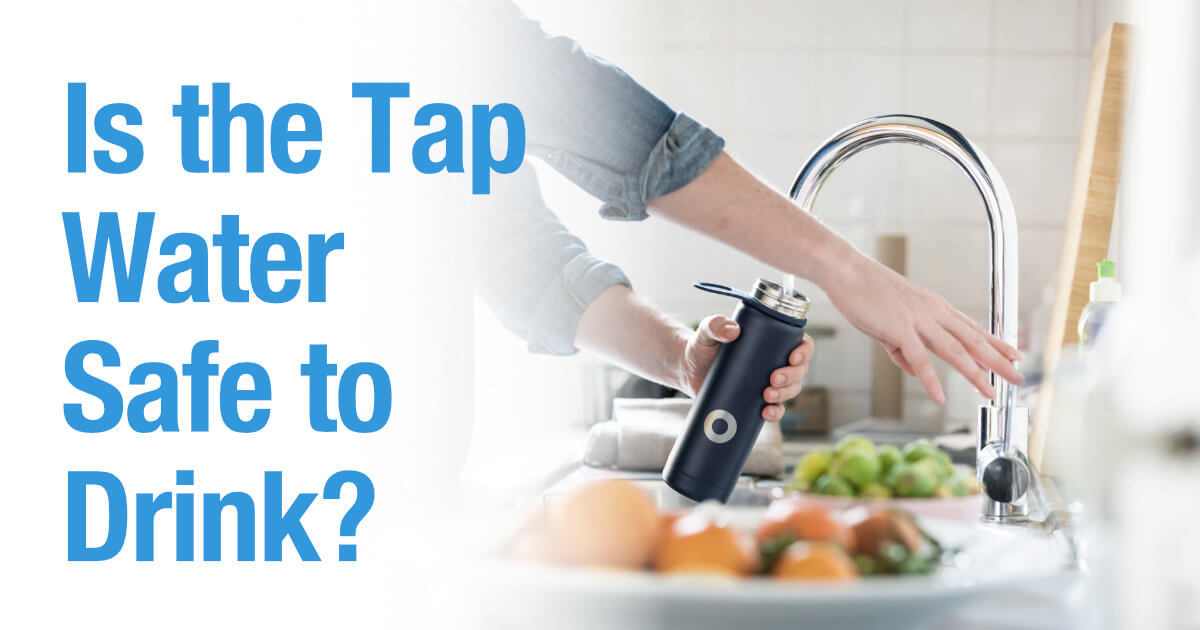
So, you’re standing at the kitchen sink, the tap running. You fill a mug with steaming hot water for your tea. But then a tiny, nagging thought bubbles up: “Is this safe to drink?” It’s a fair question, and honestly, one of life’s little mysteries that can make your morning routine feel like a science experiment.
Let’s tackle the big one first. In most modern homes with properly maintained plumbing, the hot water from your tap is perfectly safe to drink. The water itself comes from the same source as your cold tap—treated and regulated by your local utility. So, panic not!
But here’s the twist: temperature matters. Hot water is a better solvent than cold water. That means it can more easily pull tiny bits of metal or mineral from your pipes, especially if they’re old lead or copper pipes. This is where the “fun” part of home detective work begins.
Must Read
The Lead Factor (and Why It’s Not Scary)
If your home was built before the 1980s, there’s a slight chance it has lead solder or pipes. Hot water sitting in those pipes for hours (like overnight) can leach lead. Solution? Just let the tap run cold for 30 seconds before using the hot, or stick to cold water from the fridge for drinking.
For newer homes (post-1986), this risk is virtually zero. Still, the golden rule is: use cold water for drinking and cooking, then heat it on the stove or kettle. It’s a tiny habit that feels empowering—like you’re a master of your own micro-water system.
But What About the Kettle?
You might wonder, “Isn’t a kettle just the same as tap-hot?” Nope! When you boil water in a kettle, you’re heating fresh cold water that hasn’t been sitting in your heater tank. Heater tanks can accumulate sediment over time—harmless to most, but not exactly gourmet. Your kettle is your best friend for a crisp, clean cup of tea.
And let’s be real: there’s something magical about the ritual of boiling water. The whistle, the steam, the cozy anticipation... It’s a moment of pure, simple joy. Don’t let worry steal that from you.
The Mineral Sediment Factor
Ever seen white flakes floating in your hot tap water? That’s calcium carbonate—a sign of hard water. It’s not dangerous, just a little unsightly. If it bugs you, a simple filter pitcher (or even a fridge filter) will turn that cloudy wonder into crystal-clear deliciousness.
 IS TAP WATER SAFE TO DRINK? - Smart Living
Pro tip: That sediment is actually healthy in small amounts! It’s just minerals. So if you drink a little, you’re basically getting a free, negligible calcium supplement. How’s that for a fun fact at dinner parties?
The Effortless Upgrade
Here’s the real kicker: this topic isn’t about danger—it’s about optimizing your happiness. By understanding your tap water, you’re taking control. You’re no longer a passive consumer. You’re a curious, playful explorer of your own home.
So, what’s the final verdict? Yes, warm tap water is safe—but cold is best for routine drinking. Use hot for washing dishes or showering, and save the sipping for a kettle or filter. Simple, right? You’ve got this.
And here’s the uplifting part: every time you make that choice—cold water in a glass, hot water for a bath, a kettle for tea—you’re engaging with the world. You’re turning a mundane decision into a tiny act of mindfulness. That’s beautiful.
So go ahead. Fill your cup. Sip your water with confidence. And feel inspired to ask more of these “small” questions—because they’re the ones that make life richer, safer, and a whole lot more fun.
