How Many Cups Of Water Do You Need A Day

Let’s be honest: water is the unsung hero of our daily lives. It’s the zero-calorie, endlessly refillable beverage that keeps your skin glowing, your brain firing, and your jo...
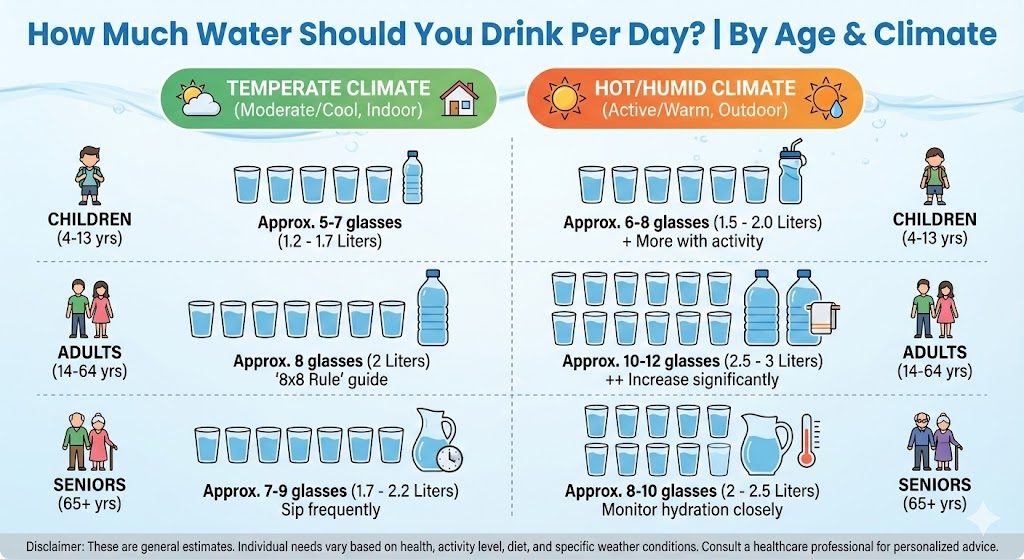
Let’s be honest: water is the unsung hero of our daily lives. It’s the zero-calorie, endlessly refillable beverage that keeps your skin glowing, your brain firing, and your joints moving without that embarrassing creaking sound. Yet, for something so essential, we’ve managed to turn it into a complicated math problem.
You’ve heard the rule: eight glasses a day. It’s drilled into us by wellness gurus, influencers, and that one friend who carries a gallon jug like a fashion accessory. But is that magic number actually science, or just a very sticky piece of marketing?
The Myth of the Magic Number
Here’s the plot twist that might rattle your reusable water bottle: the “8x8 rule” (eight 8-ounce glasses) isn’t backed by hard, modern science. It likely originated from a 1945 recommendation that included water from all sources—including your morning coffee and that juicy watermelon you ate for lunch.
Must Read
Your body is not a one-size-fits-all machine. A marathon runner in Phoenix has very different needs than a desk worker in Seattle who mainlines iced lattes. The real answer is more flexible, and honestly, far less stressful.
Your Personal Thirst Algorithm
The National Academies of Sciences, Engineering, and Medicine offers a more nuanced guideline. They suggest about 3.7 liters (15.5 cups) for men and 2.7 liters (11.5 cups) for women per day from all beverages and foods. That’s a solid starting point, not a strict command.
But here’s the part they don’t always mention: about 20% of your water intake comes from food. A crisp apple? That’s nearly a quarter cup of water. A bowl of soup? You’re practically hydrating while eating dinner. Your plate counts.
Listen to Your Body (It’s Not That Subtle)
Forget the calculator. Your body has a built-in hydration alarm, and it’s remarkably effective. If you’re thirsty, you’re already slightly dehydrated, but that’s not a crisis—it’s a nudge from your hypothalamus. Drink, and you’re good.
The real tell-tale sign? Check your urine. If it’s pale yellow like lemonade, you’re winning. If it’s dark like amber ale, grab a glass. If it’s clear as tap water, you might be overdoing it—yes, you can drink too much water.
Fun Facts to Sip On
Your brain is about 73% water. So when you’re feeling foggy, you’re literally a dry sponge trying to think. A 1-2% drop in hydration can impact your mood, memory, and concentration. That afternoon slump? Might be thirst, not just a boring meeting.
Coffee and tea count toward your daily intake. The old “caffeine dehydrates you” myth has been debunked by multiple studies. While caffeine has a mild diuretic effect, the water in your latte more than makes up for it. So yes, your morning brew is a double agent—and it’s on your side.
In Japan, it’s common to start the day with a glass of water upon waking, a practice called mizu no kuse. In South Korea, warm water is the go-to for digestion. Meanwhile, in Italy, you’d be hard-pressed to find someone sipping from a plastic bottle during dinner— acqua naturale or frizzante is served with pride.
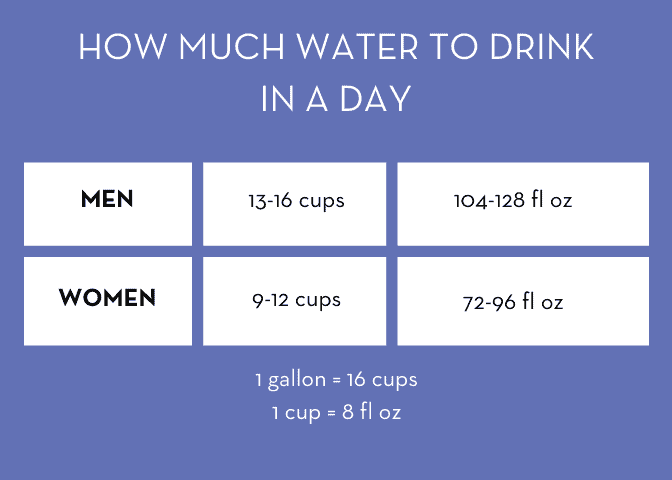 How Much Water to Drink in a Day - Make Healthy Easy - Jenna Braddock RD
Practical Tips for Real Life
Don’t chase a number; chase a habit. Keep a reusable bottle on your desk and take a sip every time you finish an email or a task. That micro-habit adds up to two or three cups without you noticing.
Add a splash of lemon, a cucumber slice, or a few mint leaves if plain water bores you. If you’re the type who forgets to drink, set a gentle reminder on your phone or use a water-tracking app. But please, don’t stress if you miss a glass—your body will nudge you when it’s time.
During exercise, drink before you feel parched. A good rule: drink about half a cup of water every 15 to 20 minutes during a workout. For longer sessions (over an hour), consider an electrolyte boost—especially if you’re sweating like you’re in a hot yoga class in Miami.
When to Pivot
Certain conditions call for more water. Hot weather, high altitude, fever, or a diet rich in fiber and protein all increase your needs. Also, pregnant or breastfeeding individuals require an extra boost—roughly 10 to 13 cups daily.
If you have kidney issues or heart conditions, check with your doctor. The rule “more is better” doesn’t apply to everyone. Balance is your goal, not volume for volume’s sake.
A fun fact to close the loop: the world record for the longest time without water is just 18 days (set in a controlled medical setting). Don’t try that at home. The average person can only survive three to five days without it. Water is literally the difference between a good day and a medical emergency.
Final Sip
So, how many cups do you need? The real answer lives between your thirst and your lifestyle. It’s about noticing when your lips feel dry, when your energy dips, or when your pee looks like dark tea. Drink when you’re thirsty, eat your greens, and don’t overthink it.
In a world obsessed with optimization, staying hydrated is a quiet act of self-care. It’s not a chore to tick off a list; it’s a rhythm you build into your day. And honestly, the best water is the water you actually drink—from a fancy glass, a mason jar, or even straight from the tap. Cheers to that.
