Which Plastic Is Safe For Drinking Water

Let’s be honest—you probably have a plastic water bottle within arm’s reach right now. Maybe it’s a blue cap from the gym, a clear one on your desk, or a reusable jug you love...
Let’s be honest—you probably have a plastic water bottle within arm’s reach right now. Maybe it’s a blue cap from the gym, a clear one on your desk, or a reusable jug you love. We all drink from plastic, but have you ever wondered if that plastic is actually safe?
Here’s the good news: not all plastics are evil. The tricky part is knowing which ones keep your water crisp and clean, and which ones might be sneaking unwanted chemicals into your drink.
Think of plastic like a good neighbor. Some plastic neighbors are reliable and honest. Others? They leave their trash out and cause trouble when things get hot. For your drinking water, you want the reliable ones.
Must Read
Meet the Safety Numbers
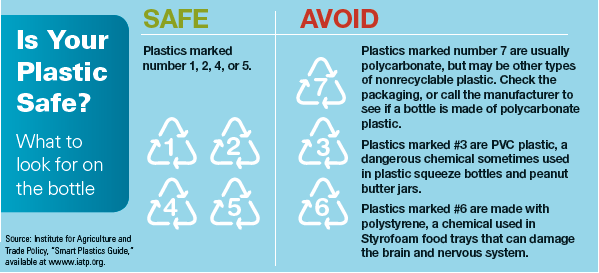
Flip any plastic container over and you’ll see a little recycling triangle with a number inside. That number is like a secret code that tells you everything.
Number 1 (PET or PETE) is the clear plastic of most single-use water bottles. It’s perfectly fine for one use, but please don’t reuse it. Once you wash it or leave it in a hot car, it can start leaching antimony, a chemical you don’t want in your kidneys.
Number 2 (HDPE) is the cloudy, tough plastic of milk jugs and laundry detergent. It’s a workhorse—very safe and stable. Your tap water filters often use it. For drinking water, number 2 is like your dependable friend who always shows up on time.
The Golden Standard: Polypropylene (Number 5)
If numbers were superheroes, number 5 (PP) would be Captain Safe. It’s heat-resistant, doesn’t leach much, and is used for yogurt cups, medicine bottles, and many reusable water bottles.
Remember when you left your bottle in the car on a sunny day? If it’s number 5, you’re okay. If it’s any other number, you’re basically brewing a chemical tea.
My friend Sarah bought a cute pink bottle from a discount store without checking the number. After one sip from a hot car, she said it tasted like “a plastic pool toy.” That’s not a flavor you want.
The Ones to Avoid Like a Bad Ex
Number 3 (PVC) is the cling-wrap plastic. It contains phthalates, which mess with hormones. Don’t drink from it. It’s also the weirdly flexible plastic in some squeeze bottles—just say no.
Number 7 (Other) is the wild card. Some number 7 plastics are safe (like Tritan or certain baby bottles), but many contain BPA, a chemical that imitates estrogen. If you see number 7 and no “BPA-free” label, treat it like a suspicious stranger.
Number 6 (PS) is Styrofoam. It leaches styrene, which can cause headaches and dizziness. You don’t drink from Styrofoam cups, right? Right? Good.
 Is HDPE Safe for Drinking Water?
What About That Reusable Bottle You Love?
Here’s a fun test: look at the bottom of your favorite water bottle. If it says 5 or 7 (BPA-free), you’re golden. If it says 1, it’s a one-time date, not a long-term relationship.
I have a stainless steel bottle now, but I used to carry a plastic one marked number 1 for months. I thought I was saving the planet by reusing, but I was actually giving myself a daily dose of microplastics. Oops.
The easiest rule? Reusable plastic bottles should always be numbers 2, 4, or 5. Number 4 (LDPE) is the soft plastic of squeeze bottles—safe, but not as durable for daily abuse.
Why You Should Care (In a Fun, Not Scary Way)
Imagine your water bottle as a tiny home for your drink. You wouldn’t live in a house with moldy walls, right? Same logic. Leaching chemicals aren’t an instant poison, but over time, they can mess with your liver, hormones, and even your mood.
Do you really want your lunch water to come with a side of endocrine disruptors? I didn’t think so. Plus, safe plastic means your water tastes better—no funky notes of “dirty pool toy” or “old gym bag.”
It’s also about peace of mind when you hand your kid a bottle. Kids are smaller, so chemicals hit them harder. Use numbers 5 or stainless steel for little ones, and you can sleep easy.
Quick Cheat Sheet for Your Fridge
Safe for daily drinking: Numbers 2, 4, 5 (and number 7 if labeled BPA-free). Use once, then recycle: Number 1. Avoid entirely: Numbers 3, 6, and 7 (without BPA-free label).
Next time you’re at the store, flip that bottle over and be the plastic detective. It takes two seconds and saves you from a lifetime of weird-tasting water.
And hey, if you’re already using a glass or metal bottle? You’re basically a hydration hero. Give yourself a pat on the back—your kidneys thank you.
