Do Plastic Water Jugs Have Microplastics

You know that satisfying *thwump* when you haul a fresh five-gallon plastic water jug onto the cooler? It feels like you’ve just won hydration bingo. But lately, a little voic...
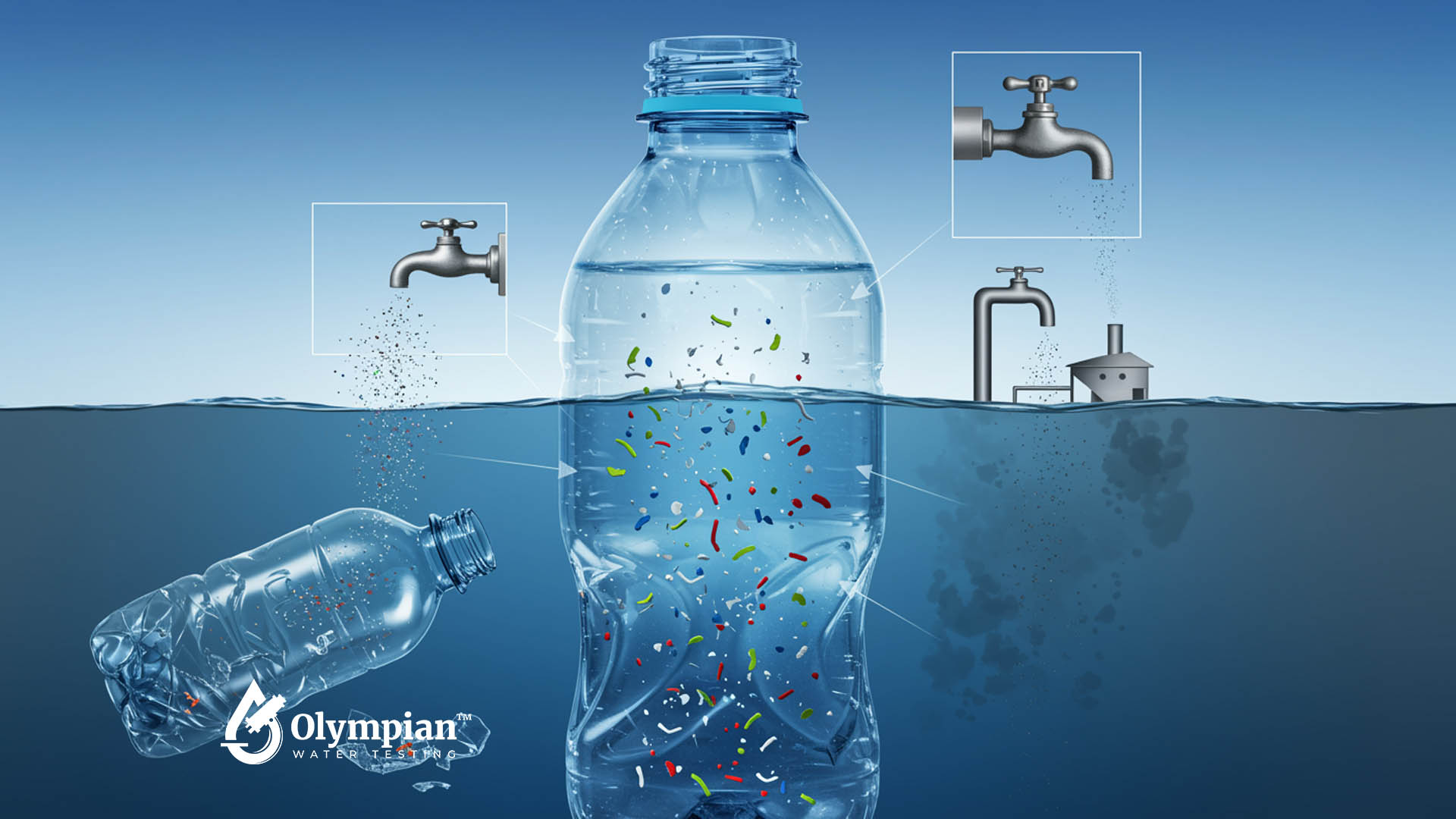
You know that satisfying thwump when you haul a fresh five-gallon plastic water jug onto the cooler? It feels like you’ve just won hydration bingo. But lately, a little voice in the back of your head has been whispering, “Hey, is my refreshing water chock-full of tiny plastic gremlins?” Let’s be real—we’ve all had that thought while staring at a clear bottle, wondering if we’re basically drinking from a Tupperware party.
The Honest, Unfiltered Truth
Okay, let’s rip the band-aid off. The short answer is: yes, plastic water jugs almost certainly have microplastics in them. I know, I know—it’s like finding out your favorite pair of sweatpants has a secret hole in the pocket. It doesn’t ruin the experience, but it’s a bit of a bummer.
Here’s the thing: plastic is basically a drama queen. It never really goes away; it just breaks into smaller, angrier pieces. When you squeeze that jug, heave it onto the cooler, or even just let it sit in a hot car, those tiny particles shed like a golden retriever in summer.
Must Read
Think of your jug as a microscopic snow globe. Every time you jostle it, you’re shaking loose a few thousand invisible plastic flecks. You’re not drinking a bottle of water; you’re sipping a very, very weak plastic smoothie.
But How Bad Is This “Plastic Smoothie”?
Let’s put this in perspective. A 2018 study found that a single liter of bottled water could contain over 10,000 plastic particles. Compare that to your tap water, which usually has a fraction of that amount. It’s like comparing a lazy river to a rapid—your tap is the lazy river, and that plastic jug is the one with all the tiny rapids and debris.
Now, before you throw your jug across the room, take a breath. Your body is an amazing machine. It has a whole department—let’s call it the “Garbage Disposal Unit”—that works overtime to filter out weird stuff. A few microplastics are probably not going to turn you into a human Lego brick. Most of them just pass right through you, like that one weird aunt at Thanksgiving who shows up, eats a cracker, and leaves.
But honestly? It’s the sheer quantity that bugs us. We’re not talking about one rogue particle. We’re talking about thousands per jug. It’s like finding one ant in your kitchen vs. finding the entire ant colony having a picnic in your sugar bowl. One ant you can ignore. The colony? You start rethinking your life choices.
The “I Can’t Believe I Drank That” Anecdote
I once left a plastic jug in my car during a heatwave. You know that hot plastic smell? Imagine drinking the physical form of that smell. I chugged a big glass and then saw a little white fleck floating at the bottom. Was it a microplastic? A piece of dust? A ghost of last year’s Gatorade? I’ll never know. But I stared at that glass for a solid minute, feeling like a contestant on a very sad reality show called “Will It Kill Me?”
 Do Water Filter Jugs Remove Microplastics? Full Guide – EZ Jug Filter
That’s the thing about microplastics—they’re psychologically unsettling. You can’t see them, you can’t taste them, but you know they’re there. It’s like having a mosquito buzzing in your ear while you’re trying to fall asleep. Tiny, annoying, and impossible to swat.
So, Should You Panic?
Nah. Panic is for running out of toilet paper during a storm. This is more of a “hmm, maybe I’ll switch things up” situation. The good news is that you have options. You’re not stuck with the plastic gremlins.
You can try glass water jugs (they’re heavy, but they make you feel like a Viking drinking from a chalice). Or go for stainless steel countertop dispensers—they look cool and don’t shed. Another hack: if you must use plastic, don’t squeeze the jug. Treat it like a fragile egg. And for the love of hydration, never leave it in a hot car. That’s just asking for a plastic-soup situation.
Also, remember that your tap water is usually a star player. It’s regulated, it’s cheap, and it tastes just fine in a reusable bottle. If you’re worried, a simple carbon filter (like a Brita) can reduce microplastics by a lot. It’s like giving your water a tiny bouncer.
The Bottom Line (No Plastic Joke Intended)
Look, modern life is a trade-off. We drive cars, we use phones, and sometimes we drink from plastic jugs because they’re convenient. The goal isn’t to achieve zero-plastic sainthood—that’s a fantasy. The goal is to be aware, make small swaps, and not lose sleep over a few invisible flecks.
You’re going to be fine. Most of us have been drinking these tiny plastic particles for decades, and we’re still here, arguing about pineapple on pizza and forgetting why we walked into a room. Your body has seen worse. So take a sip, smile, and maybe just don’t stare at the water too long. Ignorance might be bliss, but awareness is just a little bit of common sense.
