How Long Do Reverse Osmosis Filters Last

Reverse osmosis filters are the unsung heroes of your tap water. They work like tiny, overprotective bouncers at a club. They let the cool water molecules in, but kick out the...
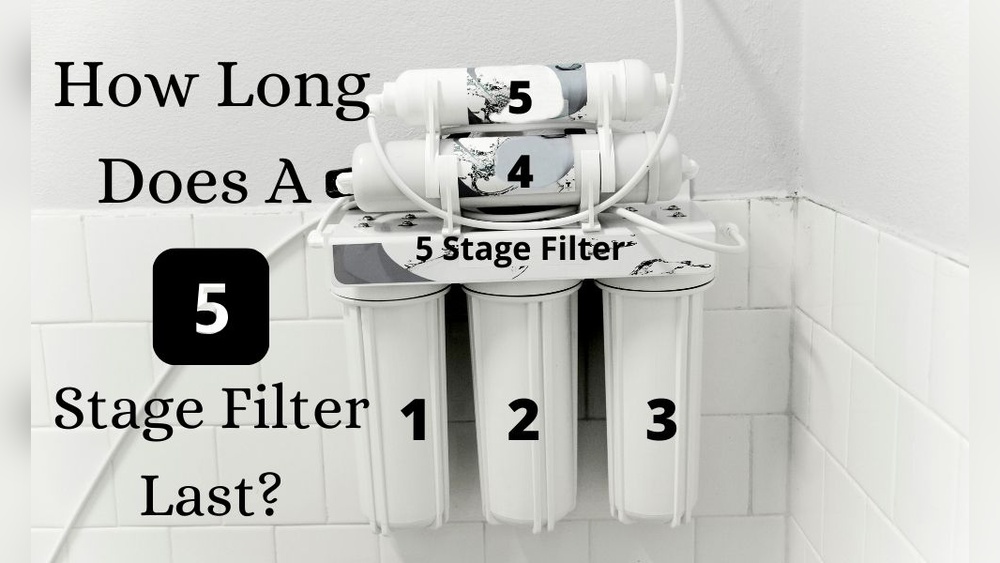
Reverse osmosis filters are the unsung heroes of your tap water. They work like tiny, overprotective bouncers at a club. They let the cool water molecules in, but kick out the riff-raff like lead, chlorine, and weird tastes.
But every bouncer gets tired eventually. So, how long do these little plastic heroes actually last? Grab a glass of filtered water and listen up.
The Short Answer (No Nerd Glasses Needed)
The standard answer is two to three years for the whole system. But that’s like saying a car lasts for 100,000 miles. It depends on how you drive it. In RO-speak, that means your water quality and how much you use it.
Must Read
Filters are not immortal. They are like sponges at a messy barbecue. Eventually, they get full of gunk. When they’re full, they stop working.
The Sediment Filter (The Grumpy Old Man)
First up is the sediment filter. This guy catches dirt, sand, and rust. Think of him as the bouncer who checks IDs. He gets dirty fast.
He usually lasts 6 to 12 months. If your water is from a muddy lake, he’ll tap out sooner. He gets grumpy and clogged. Change him every six months, or your system will sigh dramatically.
The Carbon Filter (The Super Sniffer)
Next is the carbon filter. This one has a nose for bad smells. It removes chlorine and weird tastes. It makes your water taste like tomorrow, not like a swimming pool.
This filter lasts about 6 to 12 months too. It’s a fragile artist. Once it absorbs too much chlorine, it stops working. Your water will taste like a public pool again. Fun fact: carbon filters can literally save your tap water from tasting like week-old socks.
The RO Membrane (The Star of the Show)
Now for the main event: the RO membrane. This is a special, fancy plastic sheet. It’s the real hero. It pushes water through microscopic holes. Only water molecules fit through. Everything else gets flushed down the drain.
This beauty lasts 2 to 3 years. It’s the marathon runner. But if you have hard water (full of calcium and magnesium), it gets tired faster. Think of it as running a marathon in a blizzard. It can get choked with mineral scales.
Quirky fact: The RO membrane is so sensitive that it can’t even handle the idea of iron. A little bit of rust will destroy it like a sugar cube in a rainstorm.
The Post-Carbon Filter (The Final Polish)
After the membrane, water passes through the post-carbon filter. This is the final touch. It’s like the barista who adds a little foam art to your latte. It gives the water a crisp, final taste.
This filter usually lasts 12 months. It’s the last to go. If your water starts tasting flat or dusty, blame him. He’s just tired.
Why Do They Die? The Funny Reasons
Filters don’t just die of old age. They die from bad water. If your tap water is harder than a calculus exam, the membrane cries. High levels of sediment? The pre-filter chokes.
 How Long Do Reverse Osmosis Water Filters Last
Another killer is chlorine overdose. The carbon filter is like a sponge. If the city dumps a ton of chlorine into the water (which happens, especially in summer), the filter gets swampy. It can’t keep up.
Warm water is also a drama queen. RO systems prefer cold water. Hot water makes the membrane stretch and sag. It’s like wearing a wet wool sweater. It just doesn't work as well.
How to Tell Your Filters Are Dying (The Signs)
Your water will tell you. If your drinking water suddenly tastes like fish tank leftovers, it’s time. If the flow slows to a trickle, that means the filters are clogged. Your system is basically wheezing.
Another funny sign: air bubbles. Some bubbles are normal right after a change. But if you fill a glass and it looks like a foam party, the filters might be exhausted. They’re releasing trapped gases from breakdown.
And here’s a weird one: your ice cubes turn cloudy faster. RO water usually makes super-clear ice. If your ice is suddenly cloudy, the membrane is probably letting impurities through. It’s slacking off.
The Golden Rule of Filter Life
Here’s the punchline: Don’t guess. Just change them on schedule. Most systems come with a sticker or a little indicator light. Use it. Set a reminder in your phone. Name the reminder “Bouncer Swap Day.”
If you ignore them, your RO system becomes a glorified pipe. It stops filtering. You’re just drinking tap water that took a scenic route. That’s a waste of $200 worth of equipment.
A good rule of thumb: Change pre-filters every 6 months. Change the membrane every 2 to 3 years. If you move into a house with an old system, just replace everything. It’s cheaper than a doctor’s visit for mysterious stomach gurgles.
The Final Weird Thought
Your RO filter is basically a slow, patient robot. It works 24/7 while you sleep. It fights off invisible monsters in your water. And just like a pet, it needs regular feeding (new filters) and attention.
So next time you pour a glass of crystal-clear, clean water, give a little nod to your filters. They are tired. They are working. And for about $30 a year, you can keep them happy. That’s cheaper than buying bottled water, and way more fun to talk about at parties.
Go check your filter dates. Your taste buds will thank you. And if you see a little sediment, just laugh. It’s a reminder that clean water is a happy accident of modern engineering—and a grumpy set of plastic bouncers.
