Will Boiling Water Make It Safe To Drink

So, you’re out camping, or maybe the power just went out, and you’re staring at a pot of cloudy tap water. Your brain whispers, "Just boil it, right?" It’s one of those surviv...

So, you’re out camping, or maybe the power just went out, and you’re staring at a pot of cloudy tap water. Your brain whispers, "Just boil it, right?" It’s one of those survival tips we’ve all heard, but does it actually work? Let’s dig in with a chill, curious vibe and see what’s really happening inside that bubbling pot.
The Short Answer: Yes, But Only For Some Stuff
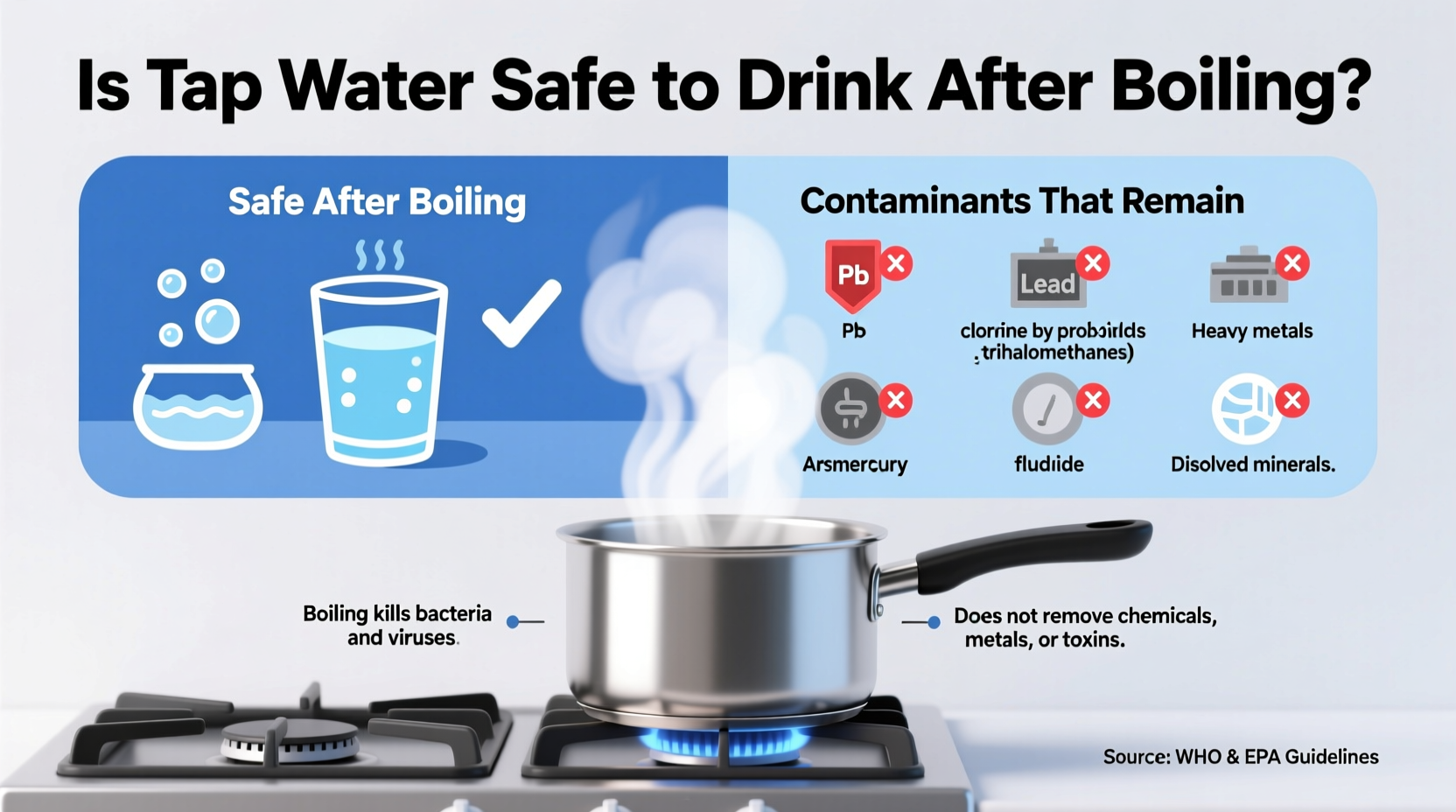
Boiling water is a rock star at killing the living things that make you sick. We’re talking about bacteria, viruses, and parasites—the microscopic party crashers that cause stomach trouble. When water hits a rolling boil (212°F or 100°C), those little guys get cooked alive. It’s like putting a villain in a hot car on a summer day—they just don't survive.
But here’s the kicker: boiling doesn’t clean up chemical pollution or heavy metals. If your water has lead, pesticides, or industrial runoff floating around, boiling it is like trying to wash a mud puddle with more mud. It’s not the magic fix for everything, which is both cool and a little tricky to wrap your head around.
Must Read
Why Does Boiling Even Work? (The Science, Made Simple)
Think of water as a crowded dance floor. The bad guys (germs) are dancing along with the water molecules. When you crank up the heat, the water molecules start bouncing like crazy, and those germs can’t handle the energy. Their proteins unwind, their membranes pop, and they just die—game over. It’s the same reason you can’t survive in a sauna set to 212°F; life has limits.
For most of the world’s fresh water sources—like rivers, lakes, and tap water from a questionable pipe—this is enough. The World Health Organization says bringing water to a rolling boil for just one minute makes it safe from pathogens. At high altitudes, give it three minutes because water boils at a lower temperature, so the heat needs more time to do its job.
What Boiling Won't Fix (And Why It’s Still Awesome)
Here’s the part that surprises people: boiling removes nothing physical. That cloudy bits, weird colors, or metallic taste? Still there. If your water looks like mud from a rainstorm, boiling turns it into hot, sterile mud. You’d need a filter or chemicals to deal with that stuff. Boiling is a solo act for killing germs, not a whole band.
But let’s be real—in a pinch, this is a lifesaver. Imagine you’re in a flood zone or hiking miles from a store. Knowing you can grab any fresh-looking water, boil it for a minute, and drink it without getting sick? That’s powerful. It’s like a superpower you always have, as long as you have fire and a pot.
 Is Tap Water Safe To Drink After Boiling And What Contaminants Remain
The "But Wait, What About Toxins?" Moment
Sometimes people worry about things like nitrates or arsenic in well water. Boiling can actually make some of these worse because the water evaporates, concentrating the toxins. It’s like making a soup where the bad stuff gets stronger as the broth shrinks. So if your water comes from a known chemical problem—like an old mine or farm runoff—boiling alone isn’t your friend. You’ll need a proper filter or bottled water.
Still, for the vast majority of scenarios—think camp streams, city tap during a boil advisory, or clear lake water—boiling is your golden ticket. It’s the cheapest, simplest way to turn risky water into something you can trust. It doesn’t need batteries, fancy gadgets, or a manual. Just heat and patience.
So, Should You Boil Every Time?
Not necessarily. If you’re at home with clean tap water, boiling is just an unnecessary step (and it uses energy). But if you’re ever unsure—say, after a hurricane or while traveling—boiling is your safety net. Think of it as the emergency brake for your water supply: you hope you never need it, but knowing it’s there is super comforting.
Here’s a fun comparison: boiling water is like a bouncer at a club. It kicks out the rowdy germs but ignores the spilled drinks on the floor. To get the whole place clean, you need a mop (a filter). But for passing through a sketchy neighborhood? A bouncer is all you really need.
So next time you watch a pot bubble, give it a little nod. You’re watching a simple, ancient process that’s saved countless lives. It’s not perfect, but it’s pretty dang cool. Just remember: boil it, let it cool, and sip with confidence—just don’t boil away the last cookie in your pack. That’s a different kind of survival.
