Environmental Effects Of Water Pollution

So, picture this: I’m on a camping trip last summer, by a river that looked gorgeous in the photos online. I dip my hand in, expecting cool, clear relief—and instead, I pull o...
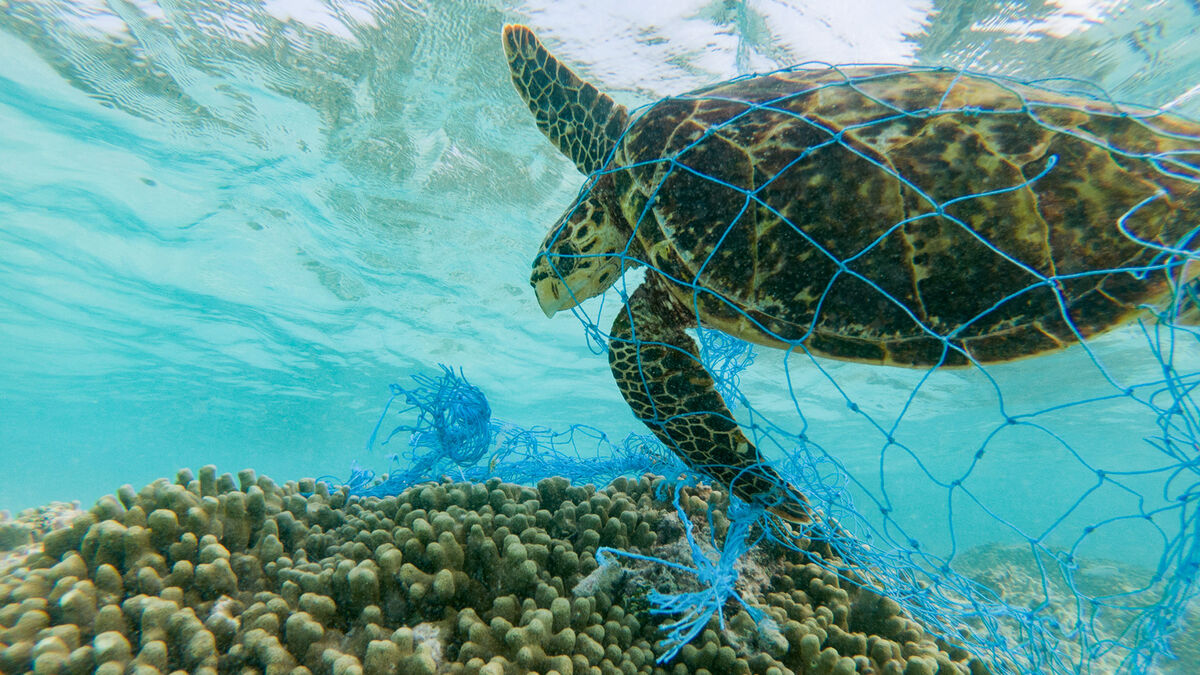
So, picture this: I’m on a camping trip last summer, by a river that looked gorgeous in the photos online. I dip my hand in, expecting cool, clear relief—and instead, I pull out a slimy, neon-green glob that smells like a chemistry experiment gone wrong. That’s when it hit me: we don’t just see water pollution; we feel it, and sometimes, we accidentally touch it. And trust me, that memory sticks with you longer than any Instagram filter ever could.
That day, I realized water pollution isn’t some distant, abstract problem—it’s the reason your favorite swimming hole now has a “No Contact” sign. It’s the quiet, creeping destruction of everything that makes a river, lake, or ocean feel alive. So, let’s dive into the messy, real-world environmental effects—no lab coats required, just a bit of curiosity and maybe some waterproof boots.
The Obvious Victims: Fish, Frogs, and the Whole Food Web
First up, the aquatic neighbors we actually see: fish gasping at the surface, frogs with weird mutations, and birds that look like they’ve been through a car wash—but in a bad way. When pollutants like pesticides or heavy metals pour in, they don’t just float there; they accumulate in the bodies of tiny creatures. Then, a bigger fish eats those, then a bigger one eats that—and bam, you’ve got a top predator with a toxic cocktail swimming around.
Must Read
You know what’s especially brutal? Eutrophication—fancy word for “dead zone.” When fertilizer runoff feeds algae, they party so hard they suck up all the oxygen, leaving a watery graveyard. Goodbye, fish; hello, soupy green sludge. And the ironic part? We cause this while trying to grow prettier lawns.
Mussels, Microbes, and the Invisible Apocalypse
It’s not just the big stuff: water pollution is a micro disaster. Think about microplastics—tiny, invisible shards from your yoga pants or that takeout container you carelessly tossed. They get into the stomachs of plankton, the base of the ocean food chain, and then—surprise—they end up in your sushi. It’s like a boomerang you never wanted.
Pathogens from sewage also sneak in, turning a harmless swim into a bacteria buffet. Ever had pink eye after a beach day? Yeah, that’s the environment saying, “You polluted me; now I’m polluting you.” It’s a circle of life nobody asked for.
The Domino Effect on Land: Yes, You’re Involved
You might think, “I don’t live near a river, so I’m safe.” Cute. Water pollution doesn’t stay in the water—it evaporates and falls as toxic rain, or it seeps into groundwater, the stuff you drink from a tap. Chemicals like atrazine from farm runoff can end up in your morning coffee, and studies link it to hormonal chaos. Cheers to that wake-up call, right?
Then there’s the wildlife that doesn’t even live underwater. Birds that eat contaminated fish lay eggs with shells so thin they crack before birth. And otters? They’re basically hairy canaries in the coal mine; when they start washing up sick, it means our aquifer is screaming for help. It’s one interconnected mess—like a bad Netflix plot, but with real consequences.
 Describe the impact of water pollution on aquatic life What are the
Climate Change’s Toxic Bromance with Water
As if pollution wasn’t enough, climate change cranks up the volume. Warmer water holds less oxygen, so existing dead zones get bigger and uglier. It also fuels toxic algae blooms that can shut down entire coastlines—Florida, I’m looking at you, with your red tides that kill manatees and ruin beach vacations.
Plus, melting glaciers release old, trapped pollutants like DDT back into circulation. It’s like opening a Time Capsule of Bad Decisions. And guess what? Those pollutants then travel the global ocean conveyor belt, showing up in polar bears in the Arctic. From your farm to the North Pole—talk about unintended consequences.
But Wait: It’s Not All Doom and Gloom (I Promise)
Here’s the weirdly hopeful part: Water is resilient. Once you stop dumping crud in it, nature starts healing surprisingly fast. The River Thames in London was declared biologically dead in the 1950s—now it’s home to seals, seahorses, and actual fish. So, yeah, we messed up, but we can also fix it.
You can literally be the solution. Skip the bottled water (which creates plastic pollution just to get to your lips), pick up that cigarette butt near the curb (it'll wash into a storm drain), and maybe don’t dump motor oil down the sink. Small acts? Absolutely. But they’re the reason a kid fifty years from now might dip their hand in a river and find only water.
So, next time you see a polluted stream, don’t just sigh and scroll past. Remember that slimy glob I touched? That’s a sign the system is shouting for a reboot. And we—yes, you and I—are the tech support. Let’s not put it on hold.
