What Water Should I Use For Baby Formula

So there I was, at 3 AM, bleary-eyed and holding a screaming infant. My baby was hungry, I was exhausted, and the kettle was hissing like a tiny, furious steam engine. In my s...

So there I was, at 3 AM, bleary-eyed and holding a screaming infant. My baby was hungry, I was exhausted, and the kettle was hissing like a tiny, furious steam engine. In my sleep-deprived haze, I grabbed the first tap water I could get and started mixing the formula. Whoops.
Let’s be honest, no one tells you about the water part of parenthood. You think you’ve got this—diapers, sleep schedules, the whole deal—and then a simple glass of water becomes a science experiment. But trust me, getting this right is a game-changer for your baby’s tiny tummy.
Tap Water: The Everyday Champion (with a Catch)
If you live somewhere with clean, municipal tap water, you’re probably fine. But “fine” is a loose term when we’re talking about a newborn’s kidneys. The big concern here is fluoride—too much can cause white spots on those adorable baby teeth.
Must Read
Most experts, including the CDC, say it’s safe in moderation. However, if you rely on tap water, always boil it (and let it cool) for infants under three months or if you have a weakened immune system. Think of it as a safety net for your sanity.
One weird trick? Let the water run for 15-30 seconds first to flush out any lead from old pipes. Yes, your 1920s plumbing is now part of the parenting drama.
The Exceptions: Well Water and Private Systems
Oh, you have a private well? Welcome to the wild west of baby formula. Well water can contain nitrates from fertilizer runoff, which can interfere with your baby’s blood oxygen levels. Seriously, don’t mess with this.
If you’re on a well, do not use it unless it’s been tested—and I mean properly tested, not just a “looks clear to me” judgment. Boiling actually concentrates nitrates, so that trick won’t save you. Just buy bottled water for formula until you get a lab report.
Bottled Water: The Safe-ish Option (Read the Label)
You might think grabbing a jug of “spring water” is a no-brainer. Sorry, but it’s not that simple. Many bottled waters are low in fluoride or sodium, but others are mineral-heavy and can stress your baby’s kidneys.
What you want is purified or distilled water. Check the label for sodium levels—keep it under 20 mg per liter. And for heaven’s sake, don’t buy “nursery water” that’s pre-mixed with fluoride unless your pediatrician says so. Overdoing it is a real thing.
Oh, and that fancy alkaline water everyone hypes? Bad idea. Babies need a neutral pH, not a magic potion for your gym bag. Keep it simple, folks.
 LittleOak - Infant Formula 1 Sachets - Go Vita Thornton
DIY Filtered Water: A Convenience Trap
I love my fridge filter. It makes everything taste like a crisp mountain stream. But here’s the kicker: most home filters don’t remove bacteria or fluoride. They’re mostly for taste and sediment.
So if you’re using filter jugs or fridge dispensers, you still need to boil that water if your baby is under three months. Yes, even if the water tastes like angel tears. The only exception is a reverse osmosis system, which does remove fluoride, but then you might need a fluoride supplement later. Ugh, parenting math.
The Ideal Formula Water: Room Temperature & Prepared Safely
Here’s the golden rule: Always boil water—even bottled—if you’re preparing a batch for later. Let it cool to room temperature (about 70°F or 20°C) before mixing with powder. Why? Because hot water can kill the probiotics in some formulas.
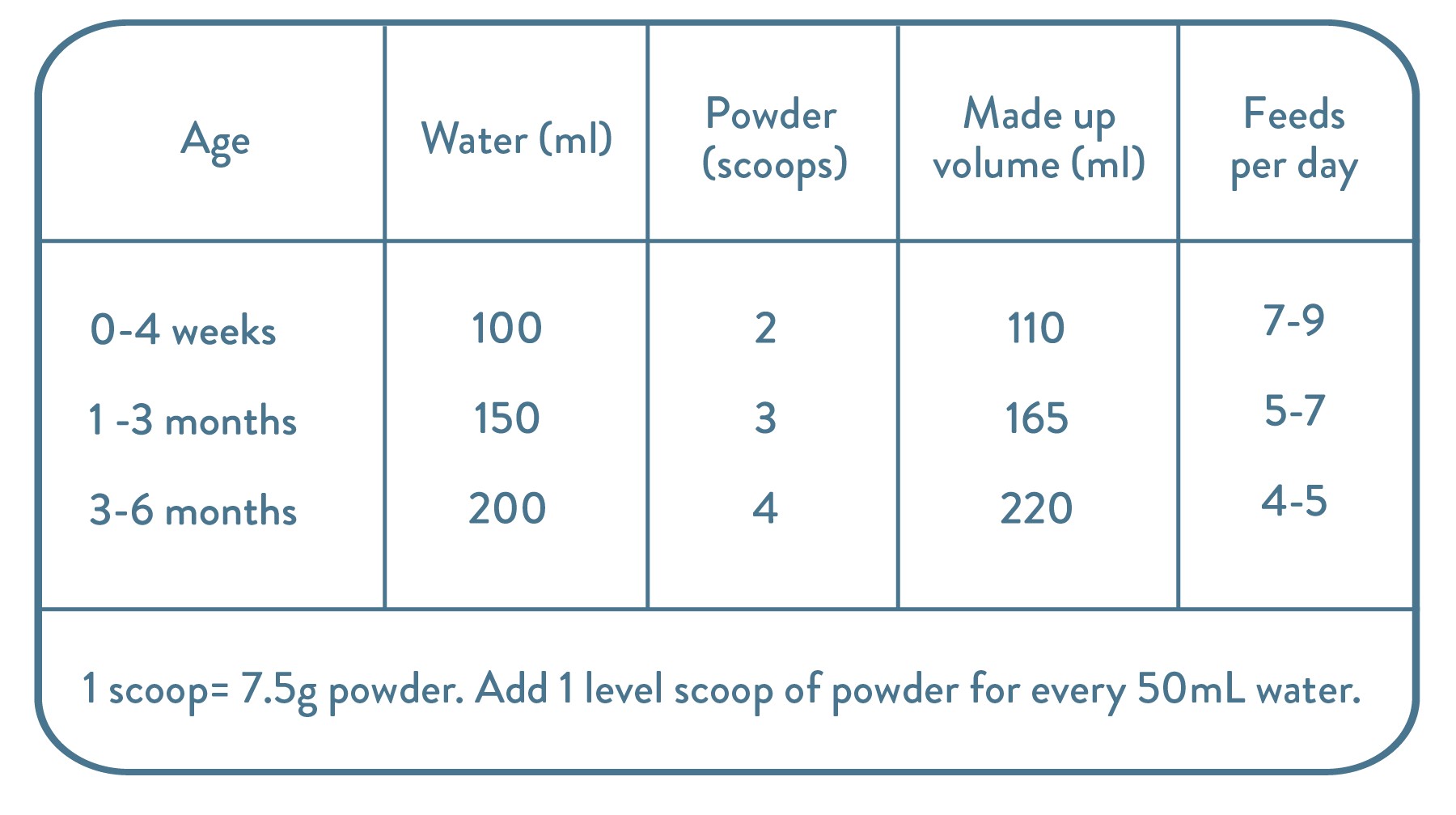
Another pro tip: mix the water first, then add the powder. This avoids clumps and ensures you’re not over-concentrating it. And never, ever use hot water from the tap—it can leach lead and copper from your pipes. Just don’t.
If you’re on the go, pre-boiled water in a thermos is your best friend. Also, your best friend right now is probably coffee, but I digress.
The Final Sip: Trust Your Gut
Look, I’m not saying you need a laboratory in your kitchen. But a little knowledge about water for baby formula saves you from midnight panic Googling. The safest bet? Boiled then cooled tap water for most families, or “low sodium” bottled water if you’re on the go.
And remember: babies are resilient. You’ll mess up sometimes (I once used sparkling water in desperation—don’t ask). The fact that you’re reading this means you’re already a great parent. Now go make that bottle, and stop worrying. You’ve got this.
P.S. If you’re really stuck, call your pediatrician. They love these questions more than you love sleep. Almost.
