How Do You Know If Water Is Contaminated

So you’re standing at the kitchen sink, glass in hand, staring at a glass of water that looks suspiciously clear. Is it pristine mountain spring, or a microbial rave party you...
So you’re standing at the kitchen sink, glass in hand, staring at a glass of water that looks suspiciously clear. Is it pristine mountain spring, or a microbial rave party you weren’t invited to? Fear not, intrepid hydrator. I’m here to help you play detective with nothing but your eyeballs, your nose, and a healthy dose of paranoia.
The First Clue: Your Eyes
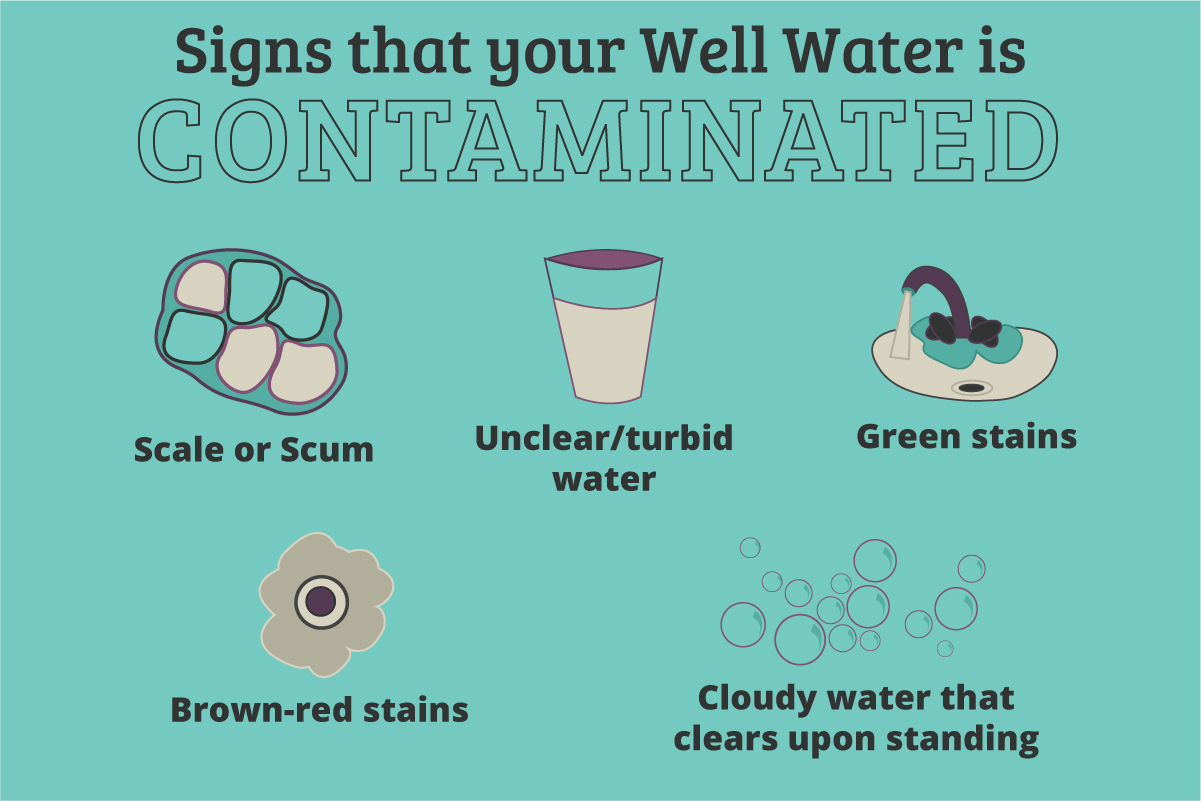
Let’s start with the obvious: look at it. If your water resembles a murky swamp that a frog would refuse to swim in, you’ve got a problem. Clear water can still be a cesspool of invisible nasties, but cloudy water is basically screaming “I drank bathwater, and I’m proud.”
Hold the glass up to the light and peer through it like you’re examining a diamond you’re about to buy. If you see tiny floating particles that look like snow globes for bacteria, do not drink it. That haze could be silt, or it could be a million tiny organisms doing the conga in your colon. Either way, not worth the risk.
Must Read
Also, check for color. Brown or yellow water? That’s usually rust from old pipes—gross, but mostly harmless. Blue or green water? That’s either algae having a pool party or copper from corroded pipes, which can give you a sudden and unwanted metallic hair color. Not a good look.
Second Clue: Your Nose (The Sniff Test)
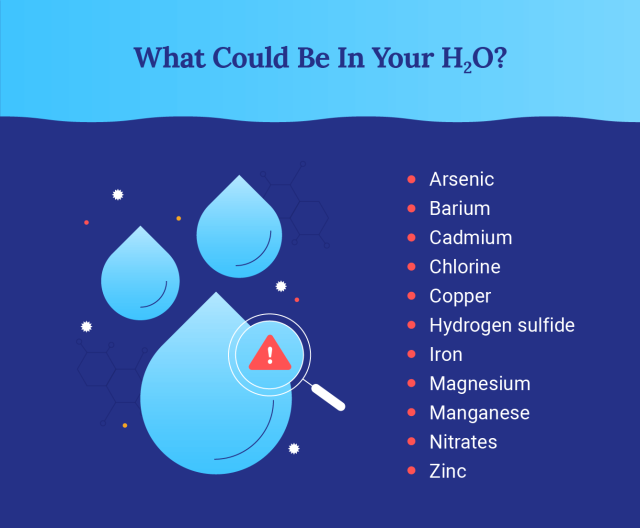
Your nose is a mutant superpower you’ve been neglecting. Give that water a good, aggressive sniff. If it smells like a swimming pool, you’ve got chlorine. That’s normal in tap water, but if it’s so strong you feel like you’re huffing bleach, something’s off. Municipalities add chlorine to kill germs, not to marinate you.
Now, if it smells like rotten eggs—congratulations, you’ve discovered hydrogen sulfide gas. That’s from decaying organic matter or a chemical reaction with your water heater. It’s not always deadly, but it will make you question every breakfast burrito you’ve ever eaten.
And if your water smells fishy? That’s not a seafood special. That’s barium or cadmium, which are heavy metals that can do fun things like damage your kidneys. Or it could just be really old, funky pipes. Either way, pour it out and order delivery.
Third Clue: Your Tongue (But Be Brave)
“Tasting” contaminated water is a high-risk hobby, but sometimes you’re desperate. A metallic taste usually means iron, manganese, or zinc—boring minerals that turn your tea gray. A salty taste? Could be a high chloride level from road salt or seawater intrusion. Not the Dead Sea, just dead taste buds.
A bitter, chemical taste is your tongue screaming “I am being poisoned by industrial runoff!” This is the flavor of regret and possible liver damage. Spit it out immediately. No, don’t swallow—spit it out like it’s a hot potato juggled by a clown.
But here’s the secret: most dangerous contaminants are tasteless and odorless. Cryptosporidium, lead, and the super-fun E. coli all pull the ultimate magic trick of invisibility. That’s why “it tastes fine” is the dumbest reason to trust your water. Your tongue is a liar with a sweet tooth.
 Signs Of Contaminated Well Water
The Sneaky Waters: Surprising Facts
Here’s a plot twist: ice can be more contaminated than the water it came from. Freezing can concentrate impurities, so if your ice cubes look like a hazy frozen cloud, you’re basically sucking on a popsicle of nightmares. Also, don’t trust that mountain stream that looks crystal clear. The term “crystal clear” is what humans say right before they get Giardia and spend three days hugging a toilet.
Another wild fact: bottled water isn’t automatically safer. A shocking 25% of bottled water is just repackaged tap water, sometimes with extra microplastics for that delightful crunch. Bottled water companies don’t have to tell you if their source is contaminated with high levels of arsenic—they just have to say “spring fresh.” The audacity.
And if you’re thinking, “I’ll just boil it!”—great start, but boiling doesn’t remove heavy metals, chemicals, or floating plastic. It kills germs, sure, but you’re just making hot arsenic soup. Not a Michelin-star dish.
How to Actually Know for Sure
Stop playing Russian roulette with your hydration. Buy a home test kit from a hardware store. They cost about the same as four fancy coffees and can detect lead, bacteria, nitrates, and pH balance. Or, even better, check your city’s water quality report. It’s free, it’s online, and it’s often terrifyingly detailed.
If you’re on a well, test it every year—especially after heavy rain or nearby construction. Rain can wash cow poop into your groundwater, and trust me, you do not want to taste that Goldilocks of contaminants. It’s not a fun surprise.
The final test? Pay attention to your toilet bowl or sink fixtures. If you have mysterious stains, corrosion, or a rainbow sheen on the water surface, that’s a cry for help from your plumbing. Don’t ignore it unless you’re aiming for a starring role in a medical drama.
The Grand Conclusion: Don’t be a Hero
At the end of the day, your water should be boring. It should have zero flavor, zero smell, and zero color. If it’s trying to be interesting, treat it like a bad date: reject it immediately. Buy a filter, boil it properly, or just drink from a label you trust (but still check the report).
Remember: your body is 60% water. Don’t let that 60% be a biohazard soup. Now go forth, be suspicious, and hydrate wisely. Your toilet will thank you.
