Chlorine Concentration In Drinking Water

Ever stopped to think about that faint pool-like smell coming from your tap water? You’re not imagining things, and it’s not a mistake. That’s your water supply getting a tiny...
Ever stopped to think about that faint pool-like smell coming from your tap water? You’re not imagining things, and it’s not a mistake. That’s your water supply getting a tiny, calculated dose of chlorine to keep you safe.
It’s a bit like adding a pinch of salt to a giant pot of soup. The goal isn’t to taste the salt, but to make the whole thing work.
Why Chlorine? The Original Water Superhero
Think back to before modern water treatment. Cities were basically petri dishes for diseases like cholera and typhoid. Gross, right? Chlorine came along as the unsung hero that changed everything.
Must Read
It’s a powerful disinfectant that zaps bacteria, viruses, and other microscopic troublemakers. Without it, your drinking glass might come with a side of illness. So, yeah, chlorine is basically the bodyguard for your glass of water.
The Goldilocks Zone of Chlorine
Here’s where it gets fun. You don’t want zero chlorine, because then germs would party in your pipes. But you also don’t want too much, because then you’d be sipping a chemical cocktail.
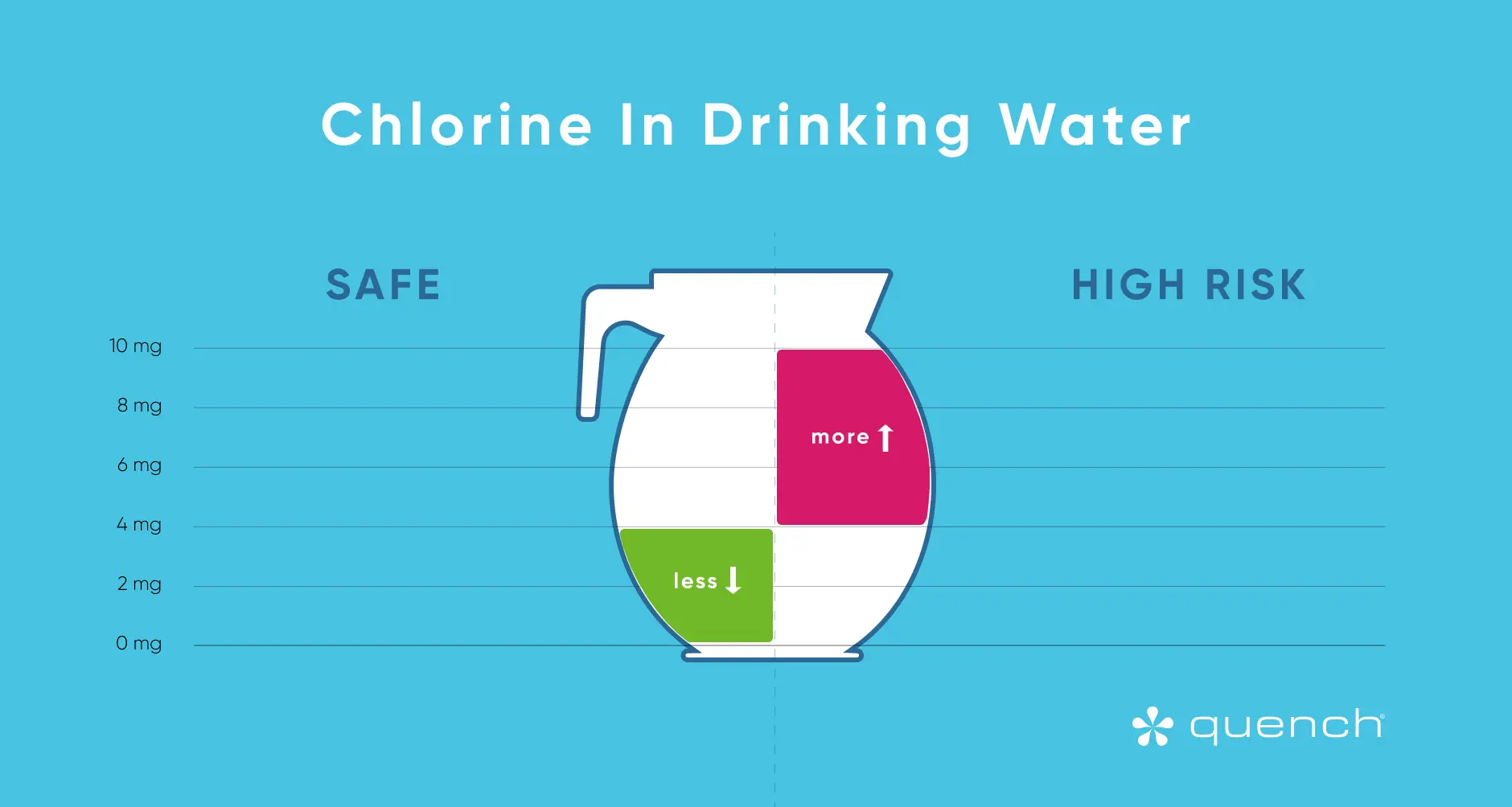
Water utilities aim for a tiny amount—usually between 0.2 and 4.0 milligrams per liter. To put that in perspective, that’s like one drop of chlorine in a giant swimming pool. It’s a super precise balancing act.
They call it the “residual.” That little leftover bit keeps working as water travels through miles of pipes to your faucet. Clever, right?
But… Is It Safe? The Big Question
You’ve probably heard scary rumors about chlorine and cancer. Let’s chill out and look at the data. The levels in your tap water are strictly regulated by groups like the EPA.
They’ve set limits hundreds of times lower than what would cause any harm. So no, your nightly glass of water won’t turn you into a science experiment. It’s actually safer than the alternative—drinking water without it.
That said, if you’re really sensitive to the taste or smell, you can use a simple filter. Carbon filters are great at removing that pool-like aroma.
The Fun Comparison: Pool vs. Tap
Ever jumped into a swimming pool and felt your eyes sting? That’s not pure chlorine—it’s chloramines, a byproduct from chlorine reacting with sweat and pee. Yuck.
Your tap water, on the other hand, doesn’t have a bunch of swimmers in it. So the reaction is way milder. The little hint of chlorine you smell is just a good sign that your water is being monitored.
It’s like the smell of a campfire—it means someone is tending the flames. In this case, the flame is your health.
 Library & University Collections | The University of Edinburgh Library
What About the “Chlorine Flavor”?
Let’s be real: some people hate it. That slightly metallic, pool-splash taste can be off-putting. But here’s a fun trick—chill it.
Cold water masks the chlorine taste beautifully. Or let it sit in a pitcher for an hour; the chlorine will evaporate on its own. It’s volatile, meaning it just floats away like a shy ghost.
Boom—no more taste, same safe water. You’re basically performing a tiny chemistry experiment in your fridge.
The Weirdly Cool Science Bit
Did you know chlorine doesn’t just kill germs? It also helps break down other nasty stuff like ammonia and iron in the water. It’s a multitasking marvel.
Scientists call this a “secondary disinfectant.” Think of it as a security guard that keeps working his shift even after the main event is over. That’s pretty impressive for a chemical you can barely detect.
And get this—some places use chloramine instead, which is chlorine mixed with ammonia. It lasts even longer in pipes. It’s like choosing between a sprinter and a marathon runner for your water safety.
So, Should You Worry?
Honestly? Not really. The benefits of chlorination are massive. It’s one of the top public health wins of the 20th century, right up there with vaccines.
Would you rather live in a world where a sip of water could give you a raging fever? I wouldn’t. A little bit of chlorine is a small price for peace of mind.
If you’re still curious, check your local water report—it’s public data! You can see exactly how much chlorine is in your tap. It’s like peeking behind the curtain of your own home’s utility magic.
The Takeaway
Next time you fill up a glass, give a little nod to the chlorine. It’s the quiet, invisible guardian of your drinking water. Not a hero that wears a cape, but one that wears a molecule.
And if you don’t love the flavor? A filter, a fridge, or a few minutes on the counter will do the trick. Stay hydrated, stay curious, and remember—your water is way more interesting than you thought.
