Is It Ok To Refill Plastic Water Bottles

Let’s be real for a second. You’ve just finished a bottle of sparkling water, and that flimsy, crinkly plastic vessel is staring back at you from the recycling bin. Your eco-c...
Let’s be real for a second. You’ve just finished a bottle of sparkling water, and that flimsy, crinkly plastic vessel is staring back at you from the recycling bin. Your eco-conscience whispers, “Refill me.” But another voice—maybe your aunt’s or a wellness blog’s—shouts, “That’s a chemical soup waiting to happen!” So, what’s the actual tea?
The short answer is: Yes, you can refill a single-use plastic water bottle, but only if you treat it like a one-night stand—not a long-term relationship. Most bottles are made from PET plastic, which is generally safe for a few uses if handled with care. The real danger isn’t the plastic itself; it’s what your own hands and mouth do to it over time.
The Bacteria Boogeyman
Here’s the gross part. Every time you take a sip, you’re introducing millions of bacteria from your lips and saliva into that narrow neck. A 2017 study by Treadmill Reviews tested reusable bottles and found that the average athlete’s bottle had more germs than a toilet seat. Yikes.
Must Read
Warm, damp conditions (like your gym bag or car cup holder) turn that bottle into a bacterial frat party. After a few refills without a deep clean, you’re basically drinking from a petri dish. But here’s the fix: wash it with hot, soapy water and dry it completely between uses.
Think of it like your favorite pair of jeans. You wouldn’t wear them for a month straight without washing, right? The same logic applies to your water bottle. Daily washing is non-negotiable if you plan to reuse it.
The Chemical Leach Myth
You’ve heard the warnings about BPA and other chemicals leaching into your water, especially when the bottle gets hot. It’s true that some older bottles contained BPA, but most single-use bottles today are BPA-free. However, heat can still cause the plastic to break down over time.
Leave a plastic bottle in a hot car, and you’re asking for trouble. The heat can cause a chemical called antimony to leach into the water. While the levels are usually tiny, why risk it? Treat your bottle like a diva—keep it out of direct sunlight and extreme temperatures.
Fun fact: that “crinkly” sound when you squeeze an empty bottle? That’s the plastic structure weakening. Once the bottle is dented or scratched, it’s time to say goodbye. Scratches are safe havens for bacteria and signal that the plastic is degrading.
The Cultural Refill Movement
Refilling a bottle isn’t just a personal choice—it’s a cultural statement. In much of the world, refilling is second nature. In Paris, everyone carries a carafe d’eau; in Japan, you’d be shocked to see someone toss a bottle after one sip. The West is catching up, thanks to viral thirst traps of influencers using reusable steel flasks.
But let’s talk about the “eco-anxiety” of it all. You’re at a music festival or a crowded airport, and the only option is a plastic bottle. Refilling it once or twice before recycling is infinitely better than buying a new one each time. Perfection isn’t the goal; progress is.
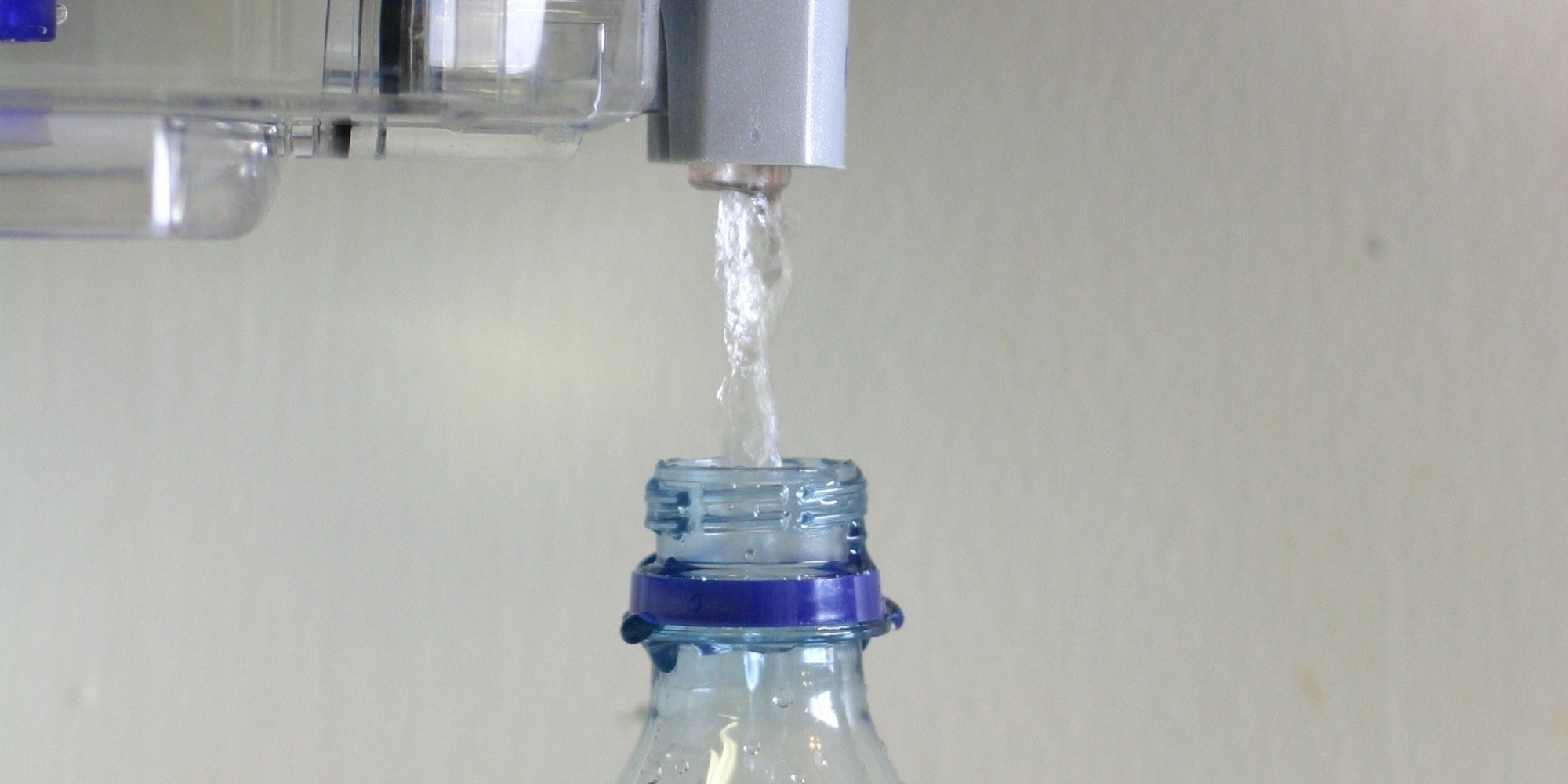 Is It Bad To Refill Plastic Water Bottles at Skye Clarey blog
Remember the Seinfeld episode where Kramer tries to recycle a single bottle for days? Hilarious, but also a vibe. Don’t be Kramer—know when to let go. The sweet spot is two to three refills, then send it to the recycling bin with a thank-you wave.
Practical Tips for the Savvy Refiller
First, choose the right bottle. Not all plastic is created equal. Look for a #1 PET recycling symbol—that’s the safest bet for short-term reuse. Avoid thicker bottles with a #7 label, as those may contain trace BPA.
Second, clean like you mean it. Use a bottle brush to scrub the inside and threads (where germs love to hide). A drop of dish soap and hot water works wonders. For a deeper clean, use a mix of white vinegar and water, then rinse thoroughly.
Third, replace regularly. If your bottle looks cloudy, smells weird, or has scratches, toss it. Think of it as a glass slipper—lovely for a night, but not a forever shoe. And never, ever refill a bottle that held anything other than water. Milk, juice, or sports drinks leave sugar residue that breeds bacteria faster than you can say “lactic acid.”
Here’s a pro tip: Freeze to freshen. Fill your bottle halfway, freeze it solid, then top up with water. The ice block keeps your water cold for hours and helps prevent the plastic from degrading in the heat. Just leave an inch of space at the top, or you’ll have a frozen explosion.
The Final Sip
At the end of the day, refilling a plastic water bottle is a little like buying off-brand sneakers. They work, they’re cheap, and they get the job done—but they won’t last forever. The key is to be intentional. Don’t let convenience turn into carelessness.
So yes, refill that bottle for your afternoon walk. Wash it afterward. And when it starts to look tired, thank it for its service and pass it on to the recycling gods. You’re not saving the planet with every sip, but you are building a habit of mindful consumption. And that’s a pretty good reason to raise a (clean) bottle.
Life’s too short for perfect decisions. Drink water, wash your hands, and try not to overthink the plastic—just don’t leave it in the sun.
