Water Testing Laboratories For Chemicals

So, picture this: you’re standing in your kitchen, staring at a glass of water. Looks fine, right? Crystal clear. Maybe a little ice clinking around. But then your brain does...
So, picture this: you’re standing in your kitchen, staring at a glass of water. Looks fine, right? Crystal clear. Maybe a little ice clinking around.
But then your brain does that thing. You know the thing. What’s actually in there? Lead? Pesticides? The ghost of that one expired vitamin you dropped in the sink last week?
Enter the unsung heroes: water testing laboratories for chemicals. They’re basically the detectives of the liquid world. And I’m not talking about the lab in some sci-fi flick.
Must Read
These are real places. With real beakers. And people who get very excited about trace amounts of arsenic.
You might be thinking, “Do I even need this? I mean, I’m not a chemist.” And to that I say: fair point. But neither am I. That’s literally why we pay them.
Think of it like this: you wouldn’t trust a random stranger to check your car’s brakes, right? Water is way more important than brakes. You drink it.
Why Bother With Chemical Testing?
Because “it looks clean” is a terrible defense strategy. Bacteria you can kind of guess at (smell, weird colors). Chemicals are sneaky. They hide.
Ever heard of PFAS? They’re called “forever chemicals.” They don’t break down. They just hang out in your water, like that one friend who never leaves the party. Labs can find those party crashers.
Maybe you’ve got a private well. That’s a whole different ballgame. No city treatment plant filtering things. It’s just you, the ground, and whatever leeched in from last year’s fertilizer job.
Or maybe you’re just paranoid in a charming way. That’s fine too. Labs don’t judge. They just test.
What Actually Happens Inside These Labs?
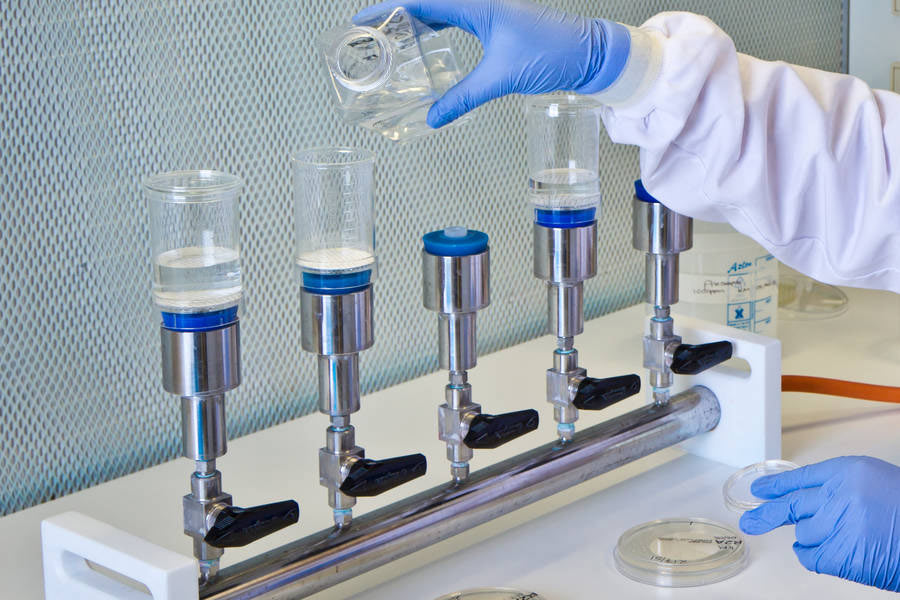
Okay, brace yourself. It’s not as dramatic as CSI: Water Edition. But it’s close. They take your sample—usually a little bottle you filled up after running the tap for a bit.
Then they do weird stuff. They boil it. They add reactive liquids. They stick it in a machine that costs more than my apartment. The machine sings a little song (probably) and spits out numbers.
Those numbers tell a story. “Your iron is high. Your copper is fine. Enjoy your bath, but maybe don’t cook pasta with this.”
Sometimes they use mass spectrometry. Fancy term. Just means they weigh atoms. Tiny, tiny atoms. Finding one bad atom in a billion good ones is like finding a specific grain of sand on a beach.
 Water Quality Testing Procedures - Perfect Pollucon LLP
Who Uses These Labs? (Spoiler: Not Just Conspiracy Theorists)
Homeowners who just bought a house with a well. Gardening nerds who want perfect pH for their prize-winning tomatoes. Parents with new babies, suddenly hyper-aware of everything.
Even brewery owners. Beer is 95% water, folks. If your water tastes like pennies, your IPA tastes like regret. Labs save beer. That’s a noble cause.
And yeah, sometimes businesses get tested too. Factories, farms, restaurants. They have to. Regulations are a thing. But for regular you? Testing is optional. But it’s cheap insurance.
How Much Does This Fantasy Cost?
Less than you think. A basic chemical panel (pH, hardness, nitrates, maybe lead) can run you $30 to $100. That’s like two fancy coffees and a sad sandwich.
If you go full nerd? Testing for every chemical known to humanity? That’s pricier. We’re talking into the hundreds. But do you really need to know if your water has trace amounts of polonium? Probably not.
Start with the basics. You’ll feel like a responsible adult. Look at me, testing my water. I’ve got my life together.
One Last Sip of Advice
Don’t just grab any random lab off Google. Check if they’re certified. Accreditation matters. It means they aren’t making up numbers during their lunch break.
Also, read the instructions. Some tests require “first draw” water (from a tap that hasn’t been used for 6+ hours). That’s the stale water that’s been sitting in your pipes. It tells you if your pipes are leaching stuff.
Flushed water tells you about the source itself. Both are useful. Both are stories.
So go ahead. Be that person. Send a bottle of your tap water to a lab. They’ll treat it like a VIP. They’ll run it through their fancy machines. They’ll hand you a report that reads like a secret dossier.
And when you get that report back? You’ll either relax, or you’ll have a very good reason to call a plumber. Either way, you win. Cheers to that.
