Fully Recirculating Ultrapure Water Unit

Let’s be honest: the phrase “fully recirculating ultrapure water unit” sounds like something out of a sci-fi lab where they grow crystals or clone celebrities. But in reality,...
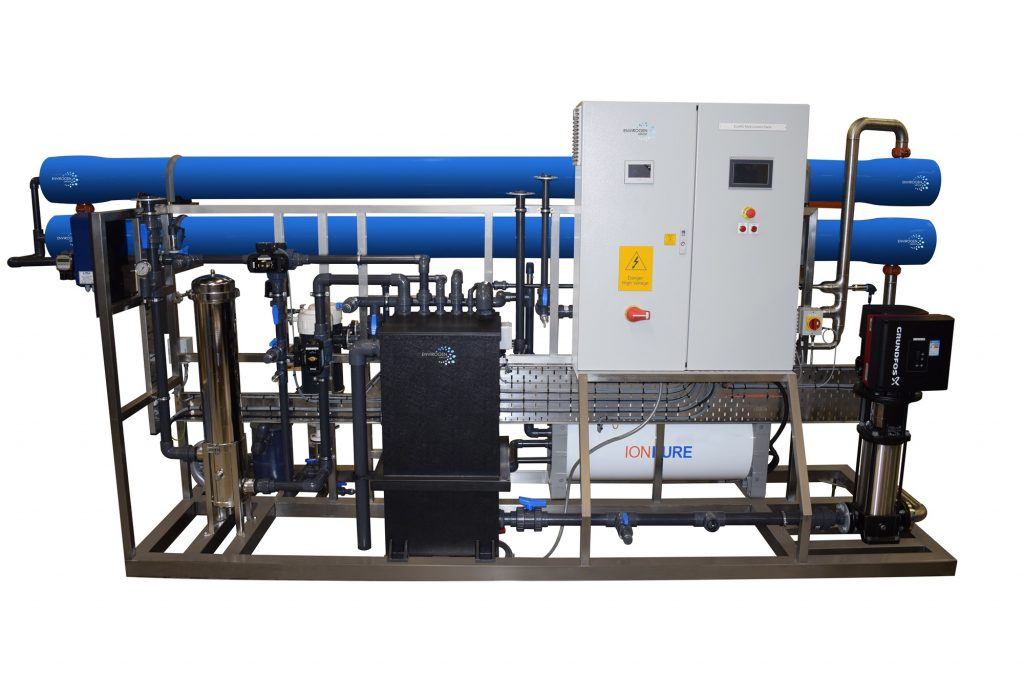
Let’s be honest: the phrase “fully recirculating ultrapure water unit” sounds like something out of a sci-fi lab where they grow crystals or clone celebrities. But in reality, this sleek piece of kit is the quiet VIP of modern life, working 24/7 to deliver water so pure it makes the stuff from your tap look like a murky pond. If you’ve ever sipped a specialty coffee, used a steam oven, or admired a flawless semiconductor in your phone, you’ve met its handiwork.
Here’s the kicker: standard H2O is a chaotic cocktail. It’s loaded with minerals, bacteria, and dissolved gasses that can ruin sensitive equipment or your morning brew. An ultrapure water unit strips all that away, hitting 18.2 megohm-cm resistivity—a level where water is so clean it’s almost a theoretical concept. It’s the zen master of hydration, holding zero impurities and a whole lot of science.
The Magic Loop: Recirculation Explained
If you think “recirculating” is just a fancy word for recycling, think again. This system constantly runs water through a loop of filtration, UV light, and ion exchange, scrubbing it like a Michelin-star robot that never sleeps. Why? Because ultrapure water is incredibly aggressive—it tries to absorb anything it touches, including carbon dioxide from the air. That recirculation keeps perfection from slipping away.
Must Read
Imagine a tiny, obsessive vacuum that sees a single grain of salt and says, “Not today, friend.” That’s your unit at work. It’s the same logic behind your favorite café’s latte: they use ultrapure water to ensure consistent extraction, every single shot. No weird mineral notes, no off-flavors—just pure, silky coffee that tastes like it was brewed by a hologram.
Practical tip: If you own a steam iron or a high-end espresso machine, you’re already a candidate. Invest in a small benchtop unit to dramatically reduce limescale buildup. Your appliance’s warranty will send you a thank-you card.
Where the “Ultra” Meets Your Everyday
This isn’t just for lab coats and cleanrooms. In fact, the average smartphone has thousands of microscopic layers printed using ultrapure water—otherwise, a single dust particle could short-circuit your Instagram feed. Think of it as the quiet assistant making sure your tech doesn’t tragically explode. Pretty metal for a liquid that’s technically not conductive until it’s contaminated.
Hospitals rely on these units for dialysis machines, where water purity can literally save lives. The FDA requires ultrapure standards because even trace chlorine can react with blood proteins. So next time you gawk at a $5,000 water filter, remember: the real luxury is the certified absence of everything. It’s minimalism you can drink.
Fun fact: Ultrapure water is so “hungry” that if you pour it into a glass, it will start leaching silicon from the glass itself. That’s why labs store it in fluorinated plastic—because regular containers just become part of the chemistry set.
The Lifestyle Upgrade: Beyond Science
Let’s detour into bathrooms. A whole-house recirculating ultrapure unit for your shower? It’s a game-changer. Hard water minerals leave your skin feeling like sandpaper and your hair like straw. Ultrapure water gives you a rinse so silky your pores will throw a thank-you party. Plus, no more scrubbing soap scum off tiles—it’s like living in a spa where the daily clean-up is a Zen koan.
 Ultrapure Water Systems | Deionized Water System-NEWater
Cocktail enthusiasts, listen up. A perfect ice cube made from ultrapure water is clear as crystal and melts slower because there’s no nucleation points for bubbles. Pair that with a single malt, and you’ve got a drink that tastes exactly as the distiller intended. No filter, no apology. It’s the osmosis of cool.
Practical tip: When buying a unit, look for one with a UV sterilizer and real-time resistivity monitor. The cheap ones without UV can grow biofilms. You want water so pure that even bacteria are like, “There’s nothing to eat here, I’m out.”
Cultural Touchstones: From “Back to the Future” to Marie Kondo
Remember in Back to the Future when Doc Brown uses a Mr. Fusion to turn garbage into energy? The ultrapure water unit is the opposite: it turns perfectly good water into perfectly nothing. It’s like the Marie Kondo of hydration—sparking joy by removing absolutely everything that doesn’t belong. Minimalism, but wet.
In Japanese tradition, there’s a concept called mizugokoro—the “water heart” that adapts without resistance. An ultrapure unit embodies that: it flows, recirculates, and stays incontaminable. It’s the Bruce Lee of appliances, formless and pure. Be water, my friend—literally.
Fun fact: The first commercial ultrapure systems were developed in the 1960s for the semiconductor industry. They cost as much as a house. Now, you can get a countertop unit for under $500. That’s deflation you can drink.
Reflection: A Little Purity Goes a Long Way
We live in a world of constant input—notifications, billboards, opinions. An ultrapure water unit is a quiet rebellion against that noise. It doesn’t add; it subtracts. It reminds us that sometimes the best thing we can do for our systems—whether they’re espresso machines, skin cells, or our own minds—is to create space. Purity isn’t about being empty; it’s about being intentionally clear.
So the next time you take a sip from a glass of tap water, don’t judge it. But maybe treat one corner of your life—your morning brew, your bathroom routine—to a recirculating, ultrapure moment. Let the water do its silent, obsessive thing. You don’t have to be a scientist to appreciate a world with less grit and more clarity. Sometimes, the most high-tech solution is simply the one that lets everything else be what it already is.
