Reverse Osmosis Water Filter Maintenance

So, you’ve got a reverse osmosis (RO) system under your sink, and you’re probably feeling pretty smug about your crystal-clear water. Rightfully so! But here’s the thing—like...

So, you’ve got a reverse osmosis (RO) system under your sink, and you’re probably feeling pretty smug about your crystal-clear water. Rightfully so! But here’s the thing—like that houseplant you swore you’d water, your RO filter needs a little TLC to keep doing its magic. Don’t worry, it’s way easier than remembering to water that fern. I’m going to walk you through it, and I promise, no chemistry degree required.
Why Bother With Maintenance?
Think of your RO system as a tiny, thirsty superhero in your kitchen. It fights off dissolved solids, chlorine, and weird tastes every single day. But even superheroes get tired—and dirty. If you skip the maintenance, your water will start tasting “meh,” and you’ll hear your system sighing like a grumpy teenager. A little upkeep keeps it fast, efficient, and delicious, and it saves you from buying bottled water like a caveman.
The Big Three: Filters, Membranes, and That One Tiny Tube
Your RO system has three main parts that need your attention: pre-filters, the membrane, and the post-filter. Think of them as a three-level security check for your water. The pre-filters catch the big stuff (sand, silt, chlorine), the membrane does the real heavy lifting (removing microscopic nasties), and the post-filter polishes the taste. Each one gets tired at a different pace.
Must Read
The Pre-Filters: The First Line of Defense
These guys (usually a sediment filter and a carbon filter) are the workhorses. They clog up first, like a lint trap in a dryer, except less fuzzy. You should swap them every 6 to 12 months. If your water pressure drops or your ice tastes like last week’s salad, it’s time to change them. It’s cheap and easy—just unscrew the housing, pop in the new filter, and don’t forget to rinse it (trust me, black carbon dust is not a fun surprise).
The RO Membrane: The Star of the Show
This is the brain of the operation. It forces water through microscopic pores, leaving behind heavy metals, bacteria, and your ex’s bad decisions. The membrane lasts 2 to 4 years, but it’s a diva—it needs clean pre-filters to survive. If your water suddenly tastes salty or metallic, the membrane is crying for help. Replacing it is a bit like changing a lightbulb, except you’ll feel like a plumbing genius when it’s done.
The Post-Filter: The Final Polish
This is the last stop before water hits your glass, giving it that “ahhh, fresh” vibe. Change it every 12 months, usually at the same time as the pre-filters. It’s small, cheap, and easy—like switching out a water pitcher filter, but fancier. Your taste buds will thank you.
How to Actually Do This (Without Panic)
First, turn off the water supply to the system—look for a little valve or knob under the sink. Then, open the faucet to release pressure (it might sputter a bit, which is very dramatic and deeply satisfying). Unscrew the filter housings with a wrench (most come with one, or use your bare hands if you’re a monster). Discard the old filters, rinse the housings with plain water, and install the new ones. Pro tip: Put the o-rings back on before you curse yourself for losing them.
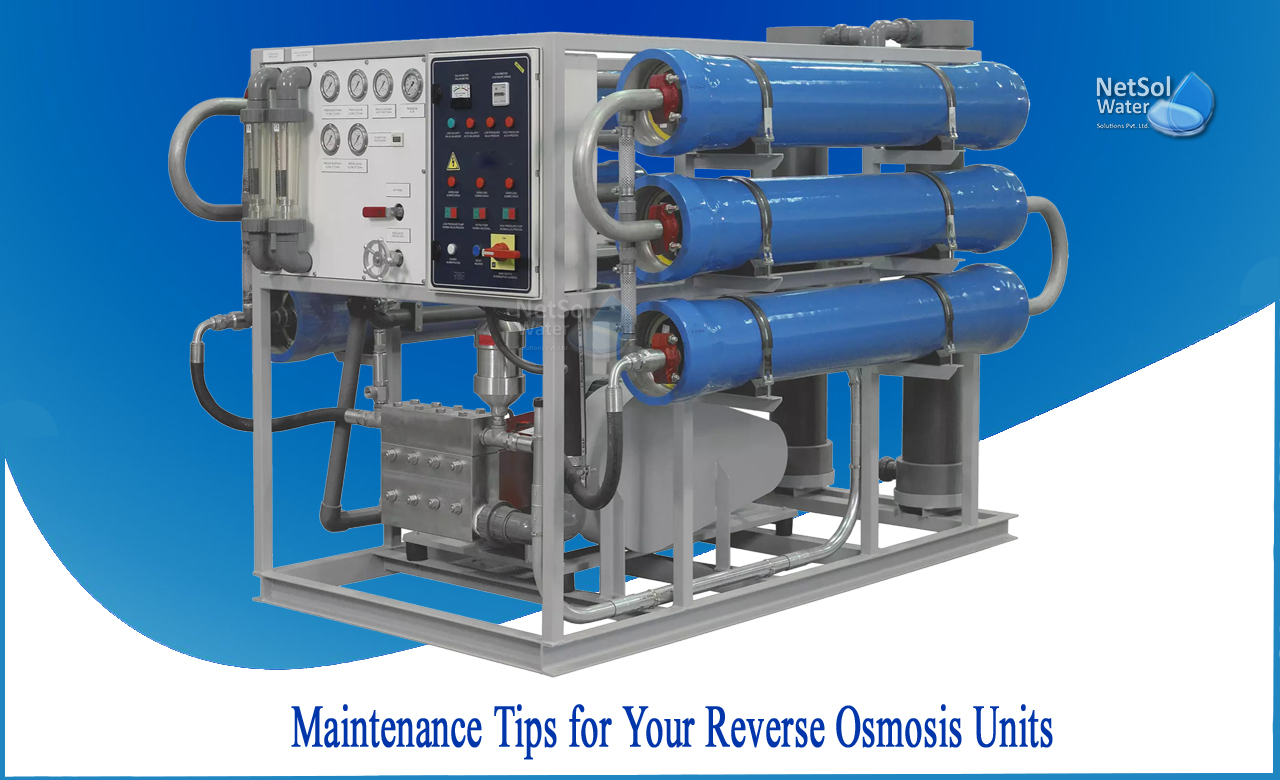 Reverse Osmosis Filtration System Maintenance at Christian Liao blog
For the membrane, you’ll need to disconnect a few tubes—take a photo first so you don’t play “guess the plumbing” later. Pull out the old membrane (it’s a white cylinder), push in the new one gently (it only goes in one way, like a USB, but actually works), and reconnect the tubes. Turn the water back on, check for leaks, and run the system for 10-15 minutes. The first batch of water might look cloudy—that’s just air bubbles, not a ghost. You’re good.
Don’t Forget These Little Things
Sanitize your system once a year with a bit of hydrogen peroxide or a RO-safe cleaner. It’s as easy as pouring, waiting, and rinsing—think of it as a spa day for your pipes. Also, replace that little auto-shutoff valve if you notice the water keeps running. And for the love of cold drinks, change the faucet if it gets crusty. A clean faucet makes you feel like a domestic god.
The “Oops, I Forgot” Survival Guide
If you’ve ignored your RO system for two years, don’t panic. You might get a bit of sludge water for a day after changing the filters, but that’s just the system waking up. If the water still tastes weird, replace everything—filters, membrane, and maybe even your attitude. Worst case, you buy a new system for $200. That’s less than a night out, and you’ll get free bragging rights at your next dinner party.
The Uplifting Conclusion (I Promise)
Here’s the beautiful truth: You are now a water wizard. By spending 20 minutes twice a year changing filters, you’ve unlocked a lifetime of crisp, clean, “I-can-definitely-tell-the-difference” water. Every glass you drink is a tiny victory—against tap water myths, against plastic bottles, and against your own laziness. And when your friends sip your water and say, “Wow, this is amazing,” you get to nod mysteriously and say, “Yeah, I maintain my RO system.” They’ll think you’re a genius. You are a genius. Now go drink some water and pat yourself on the back. You’ve earned it.
