Uv Water Treatment For Coliform Bacteria

So, you’ve just gotten the call from the water testing lab. Your well water is hosting a party for coliform bacteria. Congratulations! Your tap is now basically a microscopic...
So, you’ve just gotten the call from the water testing lab. Your well water is hosting a party for coliform bacteria. Congratulations! Your tap is now basically a microscopic nightclub where uninvited guests are splashing in the pool. But don’t panic, and for heaven’s sake, don’t start boiling your toothbrush.
You need a solution that doesn’t involve a chemistry degree or a hazmat suit. Enter UV water treatment: the bouncer your water pipes have been begging for. This isn’t some newfangled wizardry; it’s just pure, unfiltered science with a side of murderous sunshine.
What Are You Even Fighting?
Let’s get one thing straight: coliform bacteria are not all evil masterminds. Most are just your average, harmless microbes that live in soil and the guts of warm-blooded animals. Think of them as the passengers on a bus—they’re fine, but their presence suggests a sewage spill might have been the bus driver.
Must Read
When a water test finds coliforms, it’s like your water is waving a little red flag that says, “Hey, something nasty might be sliding in here!” It’s a warning sign that your well might have a crack, or some surface water is sneaking in where it shouldn’t. The real bad guys you’re worried about are the pathogenic ones: E. coli, salmonella, and their jerk cousins.
So, you need a weapon that zaps anything with a pulse. Boiling works, but it’s tedious and makes your kitchen smell like a wet sock. Chlorine works, but it tastes like pool water and requires you to play chemist with dangerous jugs. That’s where UV comes in, looking smug and efficient.
The Secret Life of UV Light
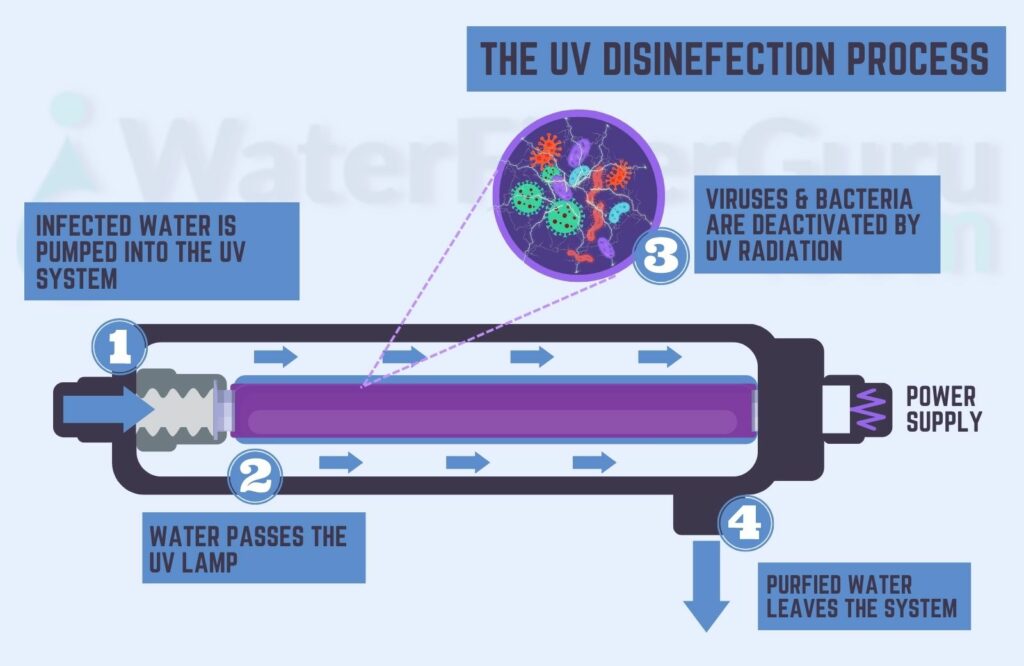
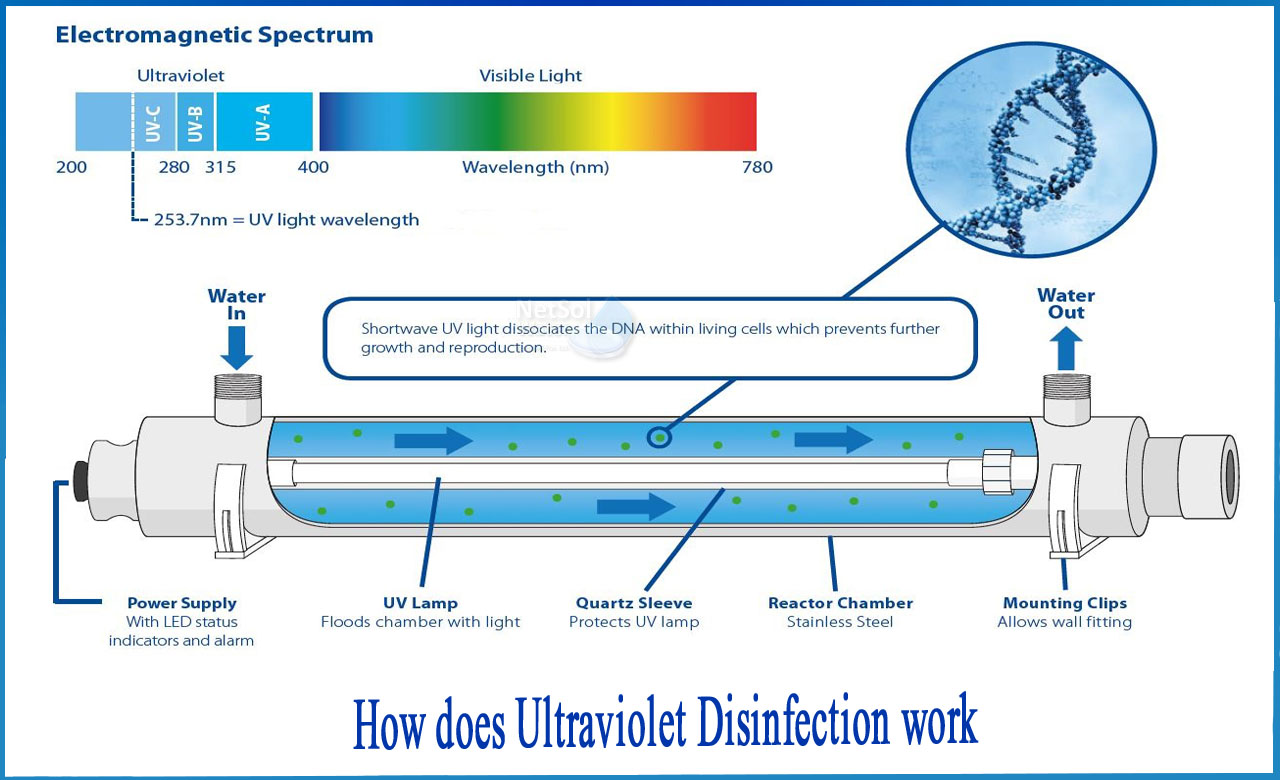
Imagine a tiny, super-intense flashlight that shines at a very specific wavelength—254 nanometers. That’s your UV unit. It doesn’t filter out bacteria like a net; it irradiates them. Water flows past a quartz sleeve housing a UV lamp, and the light delivers a lethal dose of energy.
Here’s the fun part: the UV light scrambles the bacteria’s DNA like a cat running across a keyboard. The poor little guy can’t reproduce, eat, or even remember its name. It’s not technically dead in the traditional sense; it’s more like biological undeath—a walking zombie that can’t do anything but float pathetically down your drain. And since it can’t reproduce, it can’t infect you.
This process takes seconds. No holding tanks, no chemical smell, no weird aftertaste. The water comes out exactly as it went in, minus the invisible party crashers. It’s the quietest superhero in your utility closet.
Why You’ll Love a UV System (and Your Neighbors Will Be Jealous)
First, UV systems require almost no effort. You install it after your main water filter and before your tap, plug it in, and it just works. It’s like owning a fish that never needs feeding—just change the bulb once a year and pretend you’re a maintenance genius. The bulb is cheap, usually under $50, and that bulb is saving your gut from a two-day wrestling match with the toilet.
 Ultraviolet Light For Water Treatment
Second, UV doesn’t change the taste of your water. If you have great-tasting well water, UV keeps it that way. You won’t taste “sterilized.” You’ll just taste the delicious, refreshing absence of bacterial regrets.
Third—and this is the surprising fact that will stun your friends at parties—UV light can treat up to 99.99% of bacteria and viruses. We’re talking about a success rate that would make a helicopter parent blush. It even zaps protozoa like Giardia and Cryptosporidium, which are the ninja assassins of waterborne illness because they survive chlorine. UV says, “Not today, ninja.”
But Wait—There’s a Catch (Isn’t There Always?)
Here’s the thing: UV is not a magic bullet. It only works on microbes that are actually exposed to the light. If your water is cloudy with silt, rust, or bits of ancient swamp, the UV light can’t reach the bacteria hiding inside those particles. It’s like trying to sunbathe through a mud blanket. Not effective, and a terrible vacation metaphor.
That means you must have a pre-filter. Usually, a 5-micron sediment filter does the trick. If your water is very hard or has iron, you’ll need a water softener before the UV. Think of the pre-filter as the security checkpoint that strips the bacteria of their hiding places before they meet the UV bouncer.
Also, UV creates no residual protection. Once the water leaves the chamber, if it passes through a dirty pipe afterwards, it can get re-contaminated. So, make sure your pipes are clean, and consider a carbon filter after the UV to polish off any off-flavors from the pre-filter. It’s a system, not a solo act.
The Final Verdict: Should You Buy One?
If you have a well, and especially if your test showed coliform, get a UV system. It’s the most foolproof, low-maintenance, and surprisingly elegant solution. You’ll sleep better knowing your water is being blasted by invisible light that wipes out tiny party animals while you watch Netflix. For around $300 to $600 for a basic whole-house unit, you’re buying peace of mind and a story about the time you zapped your plumbing into purity.
So go ahead, pour a glass of water. Sip it. Smile. And just remember: somewhere in your basement, a little glowing tube is silently committing microbial genocide for your health. You’re welcome.
