Whole House Water Filters For Well Water

So, you’ve got well water. Congrats! You’re basically a modern-day pioneer with your own private aquifer. But let’s be real: sometimes that water tastes like a rock fought a r...
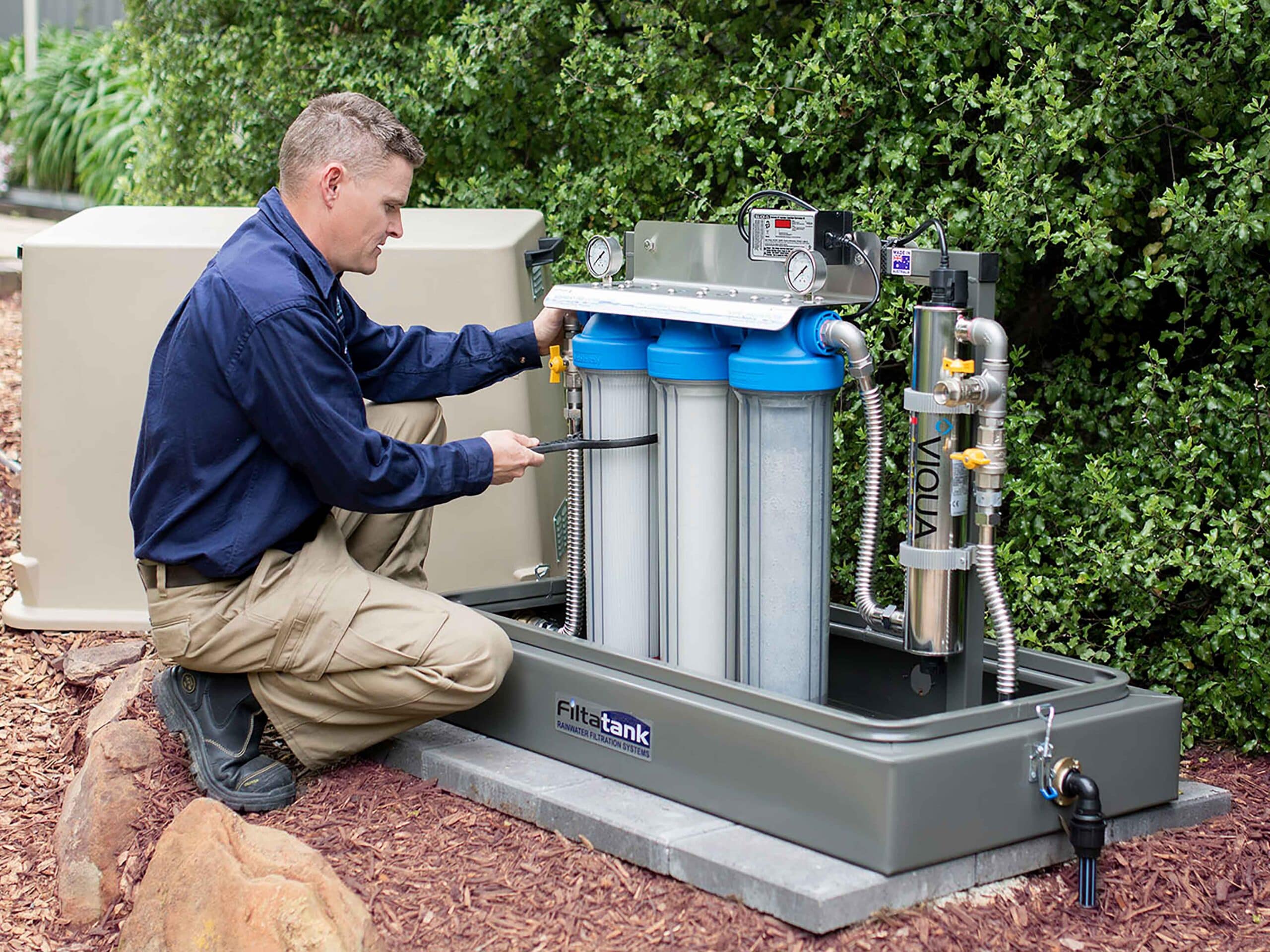
So, you’ve got well water. Congrats! You’re basically a modern-day pioneer with your own private aquifer. But let’s be real: sometimes that water tastes like a rock fought a rusty spoon and lost.
You might already know the drill. Sand in your sink. Sulfur that smells like a damp basement. Or that lovely orange stain that makes your white socks look tie-dyed. The good news? A whole house water filter is your new best friend.
Why your whole house needs a filter, not just the kitchen
Bottled water is a scam for the tap drinker. And a countertop pitcher? That’s a tiny band-aid on a burst pipe. A whole house system tackles the problem where it starts: at your main water line.
Must Read
Think about it: every single faucet, showerhead, and washing machine gets clean water. Not just the one in the kitchen. Your hair will thank you. Your coffee maker will stop trying to die early.
With well water, you’re dealing with nature’s mood swings. Sediment, iron, manganese, and hard water minerals all want to party in your pipes. A whole house filter is the bouncer who doesn’t let them in.
The usual suspects in your well water
First up: sediment. It’s like tiny rocks and dirt that your pump kicks up. A basic sediment filter (like a spin-down or a cartridge filter) catches that nonsense. Your faucet aerators will finally stop clogging every two weeks.
Then there’s iron. Oh, iron. It turns your toilets into swamp art and makes your laundry look dingy. An iron filter—often using a process called oxidation or a media like Greensand—oxidizes that iron so it can be filtered out. Poof. No more orange dread.
And don’t forget hard water (calcium and magnesium). It leaves that weird soap scum on your glasses. A water softener is usually part of the whole house plan. It swaps those hardness minerals for sodium or potassium. Your dishes will sparkle like they did in the showroom.
How to pick the right filter (without losing your mind)
Here’s the thing: you don’t need a PhD in water chemistry. You need a water test first. Buy a simple DIY kit online or send a sample to a lab. Know your enemy before you buy the weapons.
Most well water setups use a staged system: sediment filter → iron filter → water softener → carbon filter. That’s the classic four-step dance. The carbon filter at the end removes chlorine (if you add any) and extra odors. It’s the cherry on top.
Size matters here, folks. A filter that’s too small will clog faster than a teenager’s productivity. Look for a system with a high flow rate—measured in gallons per minute (GPM). Your house probably needs 8 to 12 GPM if you run two showers and the dishwasher at once.
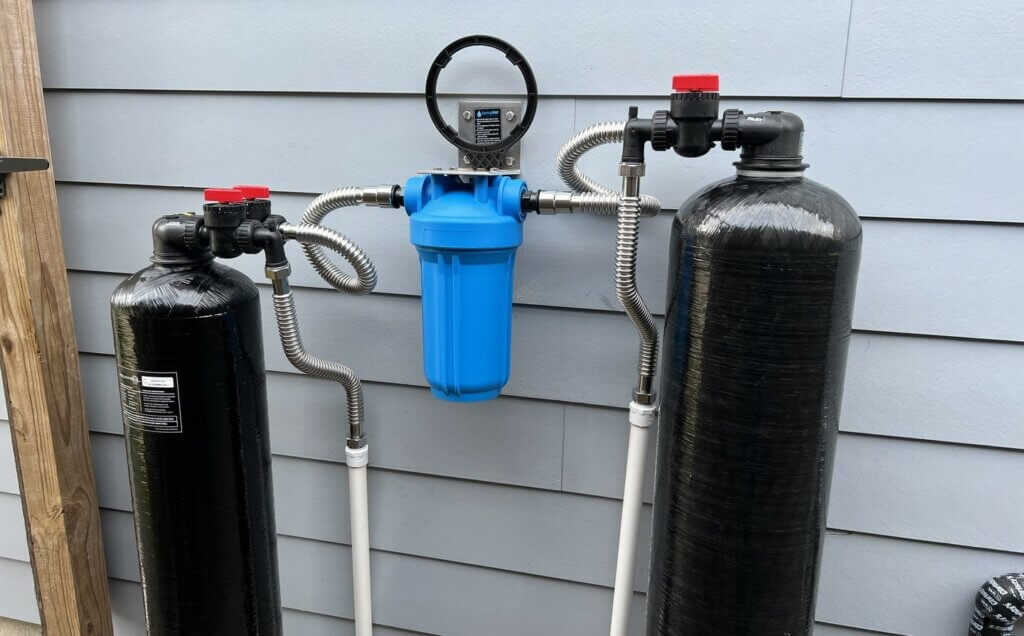 Whole House Water Filter For Well Water Irvine Ca | Detroit Chinatown
The “set it and forget it” dream
The best whole house filters are automatic backwashing. That means they clean themselves. You don’t have to pull out a dirty cartridge every month. The system flushes the media down a drain on a timer. It’s like having a robot butler for your water.
Some systems use catalytic carbon to handle chlorine and chloramines better. Others use KDF media to kill bacteria and reduce heavy metals. Most well water filters don’t need fancy chemicals—just a little regular maintenance like replacing sediment pre-filters every few months.
Ask a local water treatment company what works for your area. They see your exact water problems every day. They’ll tell you if you need a specialized filter for iron bacteria or high pH. Don’t guess; ask someone who’s been elbow-deep in someone else’s well.
Is it worth the cost? (Spoiler: yes)
A good whole house system runs from $800 to $2,500 for the equipment, plus installation. That sounds like a lot until your water heater stops dying every three years from sediment buildup. The filter pays for itself in appliance lifespan. Your washing machine will live to see its tenth birthday.
You’ll also stop buying bottled water. That’s savings, and it’s good for the planet. Plus, your showers will feel like a luxury spa instead of a gritty punishment. Ever smelled your hair after a well-water shower? Not cute. This fixes that.
And let’s be honest—nothing beats the satisfaction of knowing your water doesn’t smell like a dirty penny. You’ll find yourself drinking more water. Your skin will stop crawling. You’ll become one of those smug people who says, “Oh, we have well water, but it’s perfectly filtered.”
One final, friendly warning
Don’t fall for the flashy sales pitch that promises to “remove everything.” Some well water issues, like bacteria or nitrates, require a UV light or reverse osmosis system, not just a big blue tank. Whole house filters handle the bulk stuff, but if your test shows pathogens, you need the extra layer.
Also, plan for the backwash drain. Your filter will send flush water down a drain. You need a floor drain or a utility sink nearby. Don’t let your plumber talk you into a complicated pit—it’s worth the simple setup.
So go ahead. Get that water test. Order a system that matches your well’s quirks. Your future self—the one with clear shower doors, stain-free laundry, and zero weird smells—will be so, so grateful. Cheers to clean well water, my friend.
