Well Water Filtration System Whole House

The first time I tasted our well water after a spring thaw, I nearly spit it out. It wasn't just the iron tang—it was the gritty texture, like someone had sprinkled sand into...

The first time I tasted our well water after a spring thaw, I nearly spit it out. It wasn't just the iron tang—it was the gritty texture, like someone had sprinkled sand into my morning coffee. I stood there, staring at the glass, wondering if I was drinking from a mountain stream or a rusty pipe from the 1920s. Sound familiar? You probably have your own horror story about an unexpected "flavor" from the tap.
That's when I started looking into a whole house well water filtration system. Not a little pitcher in the fridge, not a faucet-mounted thingy—I mean a real, take-no-prisoners system that treats every drop that enters your home. The kind that makes your shower water feel like a luxury spa, not a science experiment. Let’s dive in, shall we? (And I promise, no more sand in your coffee.)
Why a whole-house system? The "aha" moment
After that gritty coffee incident, I did what any sane person would do: I called a neighbor who had pristine water. He laughed and said, "You're filtering at the point of entry, not the point of use." I nodded like I understood, but honestly? I was just thinking about my clogged showerhead. That little calcified thing was a monument to our hard water.
Must Read
A whole-house system sits where the well line first enters your home. It tackles everything before the water splits off to your sinks, showers, and washing machine. It’s the bouncer at the club—only well-behaved water molecules get past. And yes, that includes stopping the rust stains on your toilets and the dryness on your skin after a shower. Who knew hard water was basically a natural exfoliant you never asked for?
The "gross but true" breakdown of what's in your well water
Let’s be real: well water is basically unfiltered groundwater. It’s not dirty, per se, but it’s living its best life with minerals, sediment, and sometimes bacteria. You’ve got your classics: iron (hello, orange sinks), manganese (black stains), and calcium (scale that ruins appliances). And let’s not forget the sulfur—that rotten egg smell that makes you feel like you’re bathing in a swamp.
A proper filtration system uses a few stages: a sediment filter to catch the sand and silt, then a carbon filter to zap the taste and odor, and often a water softener to handle the hardness. Pro tip: Some systems throw in a UV light to kill any bacteria. Because nothing says “good morning” like drinking water that’s been through a light bath. (Your stomach will thank you.)
What you’ll actually notice (and what you won’t)
You will notice your skin instantly. Seriously, the first shower after installation feels like you washed off a layer of cling film. Your hair stops feeling like straw, and your soap actually lathers. I remember thinking, "Is this what rich people feel like?" The answer is yes. Yes, it is.
You will also notice your appliances stop fighting for their lives. Your coffee maker, dishwasher, and water heater will last longer. Scale buildup is the silent killer of appliances, like junk food for their arteries. Coincidence? I think not. And your laundry? No more dingy whites from iron deposits. Your socks might finally live up to their original color.
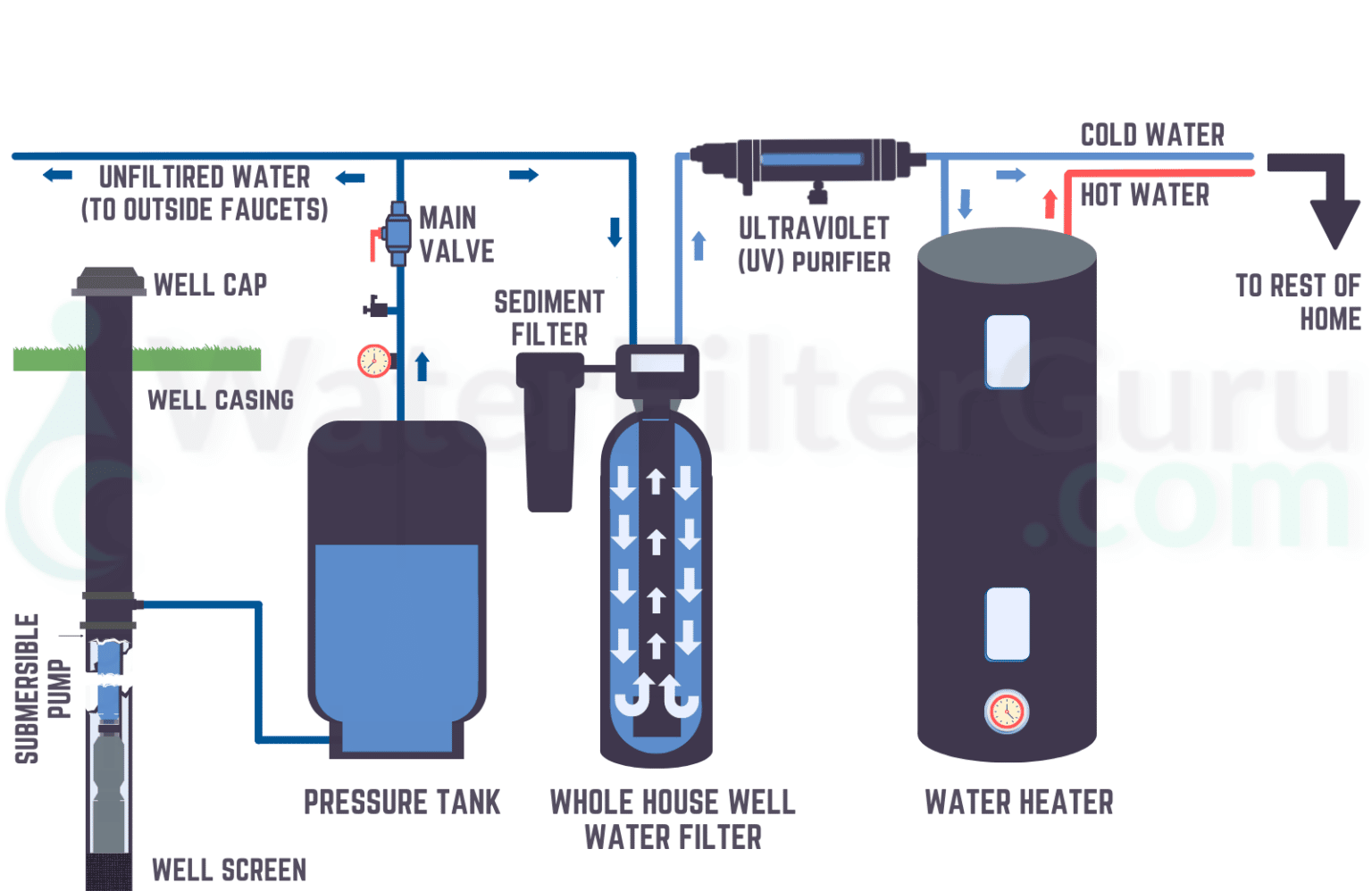 How to Install a Whole House Water Filter for Well Water
The cost conundrum (or, "Is my wallet crying?")
Let’s talk money, because nobody likes surprise invoices. A decent whole-house system runs $1,500 to $4,000 installed, depending on how fancy you go. That sounds steep, I know. But consider this: one replacement water heater from scale damage costs about the same. So it’s not an expense—it’s an insurance policy. And your skin is basically a free bonus.
Plus, you stop buying bottled water. No more lugging cases from the grocery store, no more plastic guilt. Your well water becomes the house wine of hydration—always available, always decent. You might even test it and realize it tastes better than the fancy spring stuff. (I dare you to do a blind taste test with your friends.)
Installation: less scary than it sounds
You don’t need to be a plumber to understand the setup. A professional will tap into the main line near your pressure tank, cut in the filter housings, and add a bypass valve. That’s it. The whole thing usually takes a day. The hardest part is clearing the area where the tanks go—and deciding if you want the blue or the white housing. Design choices, people.
Maintenance is your new hobby. You’ll change the sediment filter every few months—it’s like changing the oil in your car, but easier and less greasy. The carbon filter lasts longer, maybe once a year. Set a reminder on your phone, and don’t skip it. Trust me, a clogged filter is worse than no filter at all. It’s like putting a dirty sock over your water supply.
The final "should you do it?" verdict
If you own a home with well water, the answer is a resounding yes. You are not just buying a filter; you are buying peace of mind. You are saying goodbye to rusty laundry, smelly showers, and mysterious sediment at the bottom of your tea. You are also becoming the neighbor everyone envies at the block party. "Your water tastes amazing," they’ll say. You’ll shrug and say, "It’s just filtered." But you’ll know. You’ll know you’re a water wizard.
So go ahead. Treat yourself. Your well water has been working hard for you—it’s time to return the favor. And if anyone asks, just tell them you’re running a boutique hotel for your pipes. They’ll get it. Eventually.
