Water And Wastewater Treatment Equipment

So there I was, standing in the middle of a camping site last summer, holding a bucket of dishwater. My friend Dave—who claims to be a “survival expert”—looked at me and said,...
So there I was, standing in the middle of a camping site last summer, holding a bucket of dishwater. My friend Dave—who claims to be a “survival expert”—looked at me and said, “Just dump it behind that bush. It’s fine.” And I almost did. But then my brain, the part that occasionally works, whispered: “Where does that water actually go, genius?” That’s when I realized: I knew less about the magic of cleaning water than Dave knew about starting a fire without a lighter. (That’s zero, by the way.)
The Invisible Heroes of Your Sink
We take turning on a faucet for granted. But between your dirty dish and that crystal-clear stream, there’s a whole army of hardworking equipment doing a job most of us never think about. Water and wastewater treatment gear is the unsung, slightly smelly hero of modern life.
Think about it: every pint of water you flush or pour down the drain has to be rediscovered, cleaned, and sent back to nature. That’s not magic. It’s engineering with a side of brute force.
Must Read
What’s Actually in the “Water Treatment” Closet?
Let’s start with the basics. The first line of defense? Bar screens. Yes, giant metal combs that catch everything from leaves to—and I’m sorry for this—flushable wipes that weren’t actually flushable. These screens are the bouncers of the water world: “You’re not coming in, Mr. Plastic Straw.”
Next up: grit chambers. These are slow, lazy pools where heavy stuff—sand, coffee grounds, the occasional lost earring—settles to the bottom. It’s basically the water’s chance to take a deep breath and drop its baggage.
The Real Workhorses: Pumps and Aerators
Now, here’s where things get interesting. Pumps are the heart of any treatment facility. They push water uphill, through pipes, into tanks—sometimes against gravity itself. And they do it 24/7, without a coffee break. If a pump fails, you get a mess that rhymes with “sit show.”
Then come aerators. These are like giant fish tank bubblers, but for sewage. They pump oxygen into the water so that good bacteria can party and eat the organic waste. Yes, we literally use bacteria as unpaid interns to clean our poop. That’s both disgusting and brilliant.
Membranes: The Fancy Filters
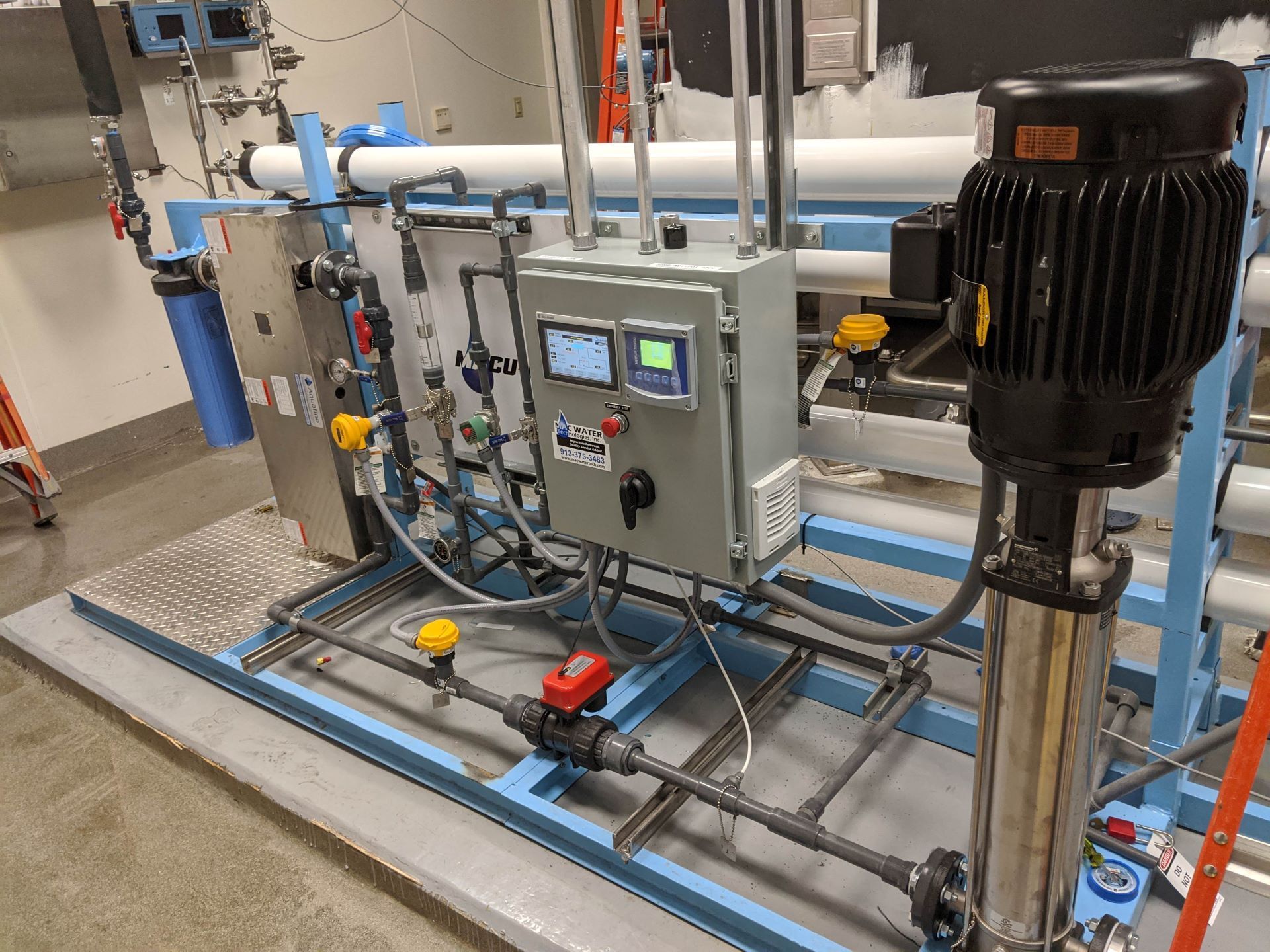
Remember those TikTok videos of people pouring muddy water through a sock? That’s amateur hour. Real treatment uses membrane bioreactors—ultra-thin sheets with holes so small they can block viruses. Imagine a coffee filter that can catch a cold. That’s the level of precision we’re talking about.
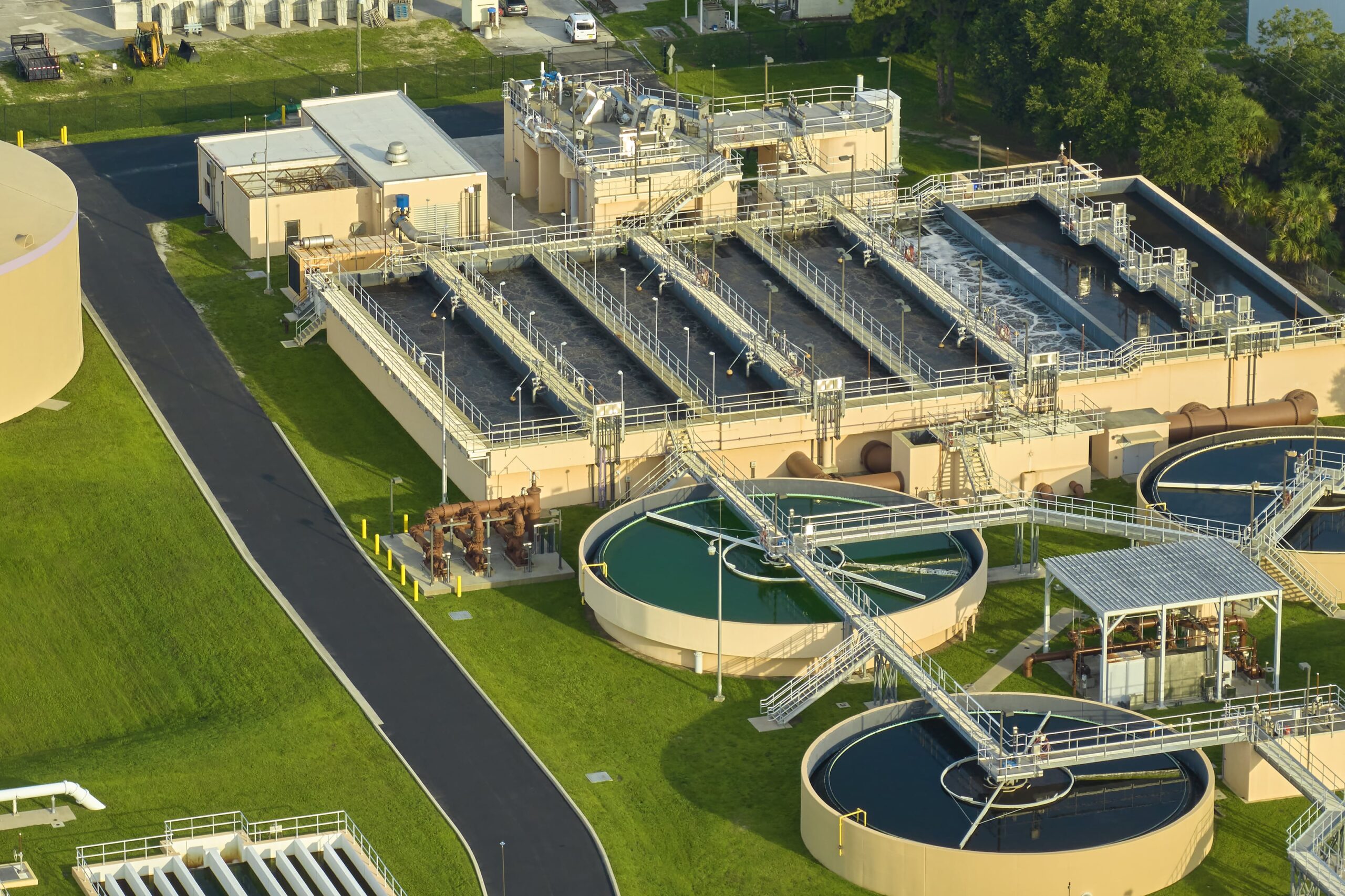 Wastewater Treatment Plant
These membranes are the VIP area of water treatment. Only the cleanest, most well-behaved water molecules get through. The rest goes back for another round of scrubbing.
The Sludge: The Underappreciated Byproduct
Here’s a fun fact: all that gunk that gets removed? It becomes sludge. And no, we don’t just bury it. We put it in giant digesters—think stomachs made of steel—where anaerobic bacteria burp methane. That methane powers the facility itself. So your toilet waste literally helps clean the next flush. It’s the circle of life, just with more fart jokes.
Why You Should Care (Even If You Don’t Camp)
Look, I know talking about wastewater equipment isn’t as sexy as a new iPhone. But here’s the truth: without it, you’d be drinking what your neighbor flushed within weeks. That’s not an exaggeration. Cities like Cape Town and São Paulo have come terrifyingly close to Day Zero—the day the taps run dry.
So next time you see a treatment plant worker in a hard hat, maybe don’t stare. Instead, give them a nod. They’re the ones making sure that when you pour that glass of water, it’s safe, clear, and doesn’t taste like Dave’s camping stew.
A Final, Slightly Ironic Note
I still dumped that dishwater behind the bush, by the way. But I walked an extra fifty feet away from the stream—and I thought about all the screens, pumps, and microscopic bacteria that would have loved to help. Sometimes, the best equipment isn’t the one you see. It’s the one you don’t have to think about because it’s already doing the job.
So here’s to the grit chambers, the membrane sheets, and the hardworking sludge. And to you, dear reader, for knowing a little more than you did ten minutes ago. Now go flush with confidence. You’ve got equipment on your side.
