Top Whole House Water Filtration Systems

Let’s be honest: tap water is a bit of a mystery. It might look clear, but that glass could be carrying a secret entourage of chlorine, sediment, or the faint ghost of old pip...
Let’s be honest: tap water is a bit of a mystery. It might look clear, but that glass could be carrying a secret entourage of chlorine, sediment, or the faint ghost of old pipes. Enter the whole house water filtration system—the unsung hero of modern living.
Think of it as a gatekeeper for your entire home. Every drop that reaches your shower, your washing machine, and your kitchen sink gets a VIP pass through a multi-stage cleanse. It’s not just about drinking water; it’s about every interaction with H2O.
Your skin and hair are already plotting a thank-you note. Chlorine and hard minerals can leave your scalp dry and your strands brittle, like a bad 90s shampoo commercial. A whole house system turns your shower into a mini spa treatment—minus the cucumber eye patches.
Must Read
The Usual Suspects: What’s In Your Water?
Water quality is a regional personality test. If you live near agricultural land, you might have nitrates. In an older city, lead pipes could be the uninvited guest. Even well water brings its own brand of drama—hello, iron stains and sulfur smells.
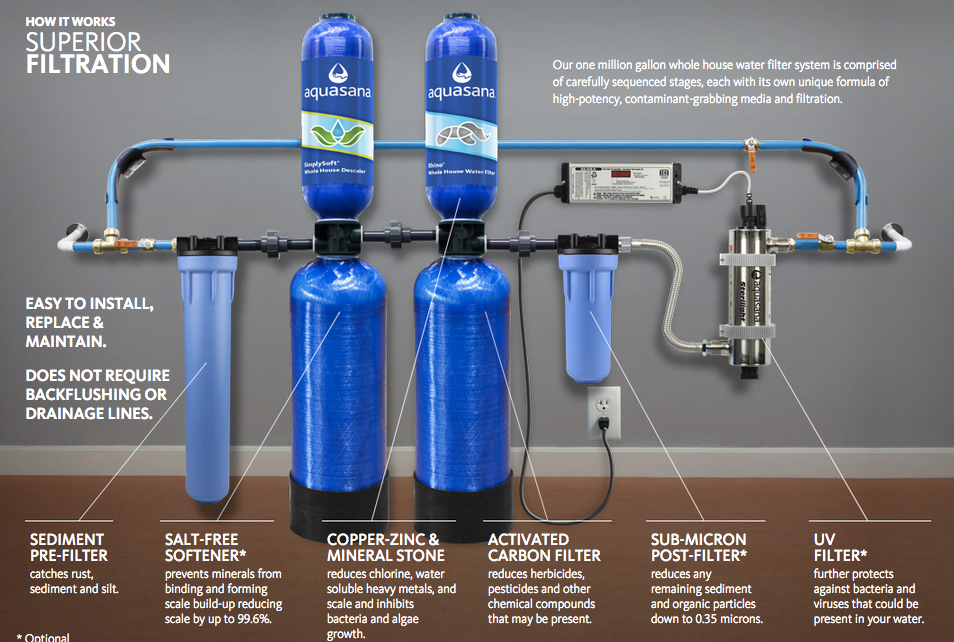
A solid filtration system tackles these with a layer-cake approach. First, sediment filters catch the grit and rust, like a bouncer at the door. Then, carbon blocks scrub out chlorine, pesticides, and any funky tastes—think of it as the water’s Instagram filter for clarity.
For the heavy hitters, a reverse osmosis stage is the crowning jewel. It forces water through a semi-permeable membrane that blocks most contaminants, including lead, arsenic, and even some viruses. It’s the concierge of purification.
Top Contenders: Systems Worth Your Consideration
First up, Aquasana Rhino. It’s the reliable workhorse with a tankless design and a carbon filter that handles up to 1,000,000 gallons. Pricey? Yes, but you’ll basically never think about it again—which is the whole point. It also won a “Best Value” nod from engineers who love spreadsheets.
Don’t sleep on the iSpring WGB32B. It’s a budget-friendly hero that uses a three-stage filter (sediment, carbon, and a second carbon) for about $300. Perfect for renters or first-timers who want to test the water without a second mortgage. Installation is simple enough for a weekend with a wrench.
For the tech-obsessed, Home Master HMF3SDGFEC is a beast. It features a built-in iron filter and an UV light stage that zaps bacteria dead. It’s like having a mini science lab in your basement—but one that actually makes your morning coffee taste better. The UV stage is a must for well water users who want to avoid a biblical-level plague.
And then there’s the Pelican Water NS3-Panel-MD. This one skips electricity and uses a media bed to reduce scale buildup, so your water heater lives a longer, happier life. It’s the zen master of filtration—no moving parts, just quiet efficiency.
Fun fact: The Romans used giant sand filters 2,000 years ago to clean their aqueduct water. Your system is just fancier, with a Wi-Fi option and a valve that doesn’t require a slave revolt to repair.
Practical Tips for the Water-Conscious
Before you buy, test your water. A basic test kit from a hardware store (around $20) reveals pH, hardness, and chlorine levels. It’s like a personality quiz for your pipes. Don’t skip it—your system choice depends on your water’s dark secrets.
 Comparing 5 Top Whole-House Water Filtration Systems
Think about your home’s flow rate. Most whole house systems handle 8–12 gallons per minute, which is fine for a standard family. But if you run two showers, the dishwasher, and a garden hose simultaneously, go bigger. A bottleneck here is like a traffic jam at a toll booth.
Installation is not always DIY. Some systems need a plumber, especially if you have limited space or unique pipe material. The investment (usually $1,000–$3,500 total) pays off when your coffee maker stops getting clogged and your shower doors stay spotless.
Cultural reference: In Japan, many homes have a “kangen” water ionizer that creates alkaline water, often marketed for health. Whole house filtration is more pragmatic—it’s about prevention, not mystique. Think of it as the calm, responsible friend versus the gadget-obsessed cousin.
Fun fact: Your water filter’s carbon block is usually made from coconut shells. So every time you sip, you’re enjoying the ghost of a tropical vacation.
The Hidden Prize: Appliance Longevity
Hard water is the silent killer of appliances. It builds up scale in your water heater, dishwasher, and laundry machines, reducing efficiency by up to 30% over time. A whole house filter extends their lifespan like a good retirement plan—no one sees it, but everyone benefits.
Your skin will feel the difference first. Then your coffee will taste less like a swimming pool. Eventually, you’ll notice your pots no longer have a white crust that requires a chemistry degree to remove. It’s the small, invisible wins.
Let’s talk about sustainability. Filtration reduces your reliance on bottled water, which takes 1,000 years to decompose. Investing in a whole house system is a low-key environmental flex—you’re saving plastic while enjoying genuinely crisp water.
A Final Reflection
There’s something quietly profound about knowing every drop in your home is clean. Water is the most intimate thing we consume—we drink it, bathe in it, cook with it. Making it pristine isn’t a luxury; it’s a gentle act of care.
When I pour a glass from my kitchen tap after filtering it through my system, I don’t think about filters or membranes. I just taste something simple: clarity. That’s the real gift—a moment of pure, quiet refreshment in a noisy day.
So go ahead, test your water, pick your system, and let the everyday magic work. Your future self—with softer skin, smoother coffee, and a oddly satisfying sense of order—will thank you.
