Water Softener For Commercial Dishwasher

Let’s be real for a second: your commercial dishwasher has a secret life. It’s not just a metal box that sprays water at plates; it’s a high-stakes performer in the daily dram...

Let’s be real for a second: your commercial dishwasher has a secret life. It’s not just a metal box that sprays water at plates; it’s a high-stakes performer in the daily drama of a busy kitchen. And like any diva, it demands the right conditions to shine—specifically, the water it drinks.
Hard water is the villain in this story. It’s loaded with calcium and magnesium, minerals that wreak havoc on your machine’s plumbing and your glassware. Imagine your sparkling wine flutes looking like they’ve been through a dust storm—that’s hard water’s calling card.
Why Your Dishwasher Needs a Water Softener (And Why You Should Care)
A water softener for a commercial dishwasher isn’t a luxury; it’s a survival tool. It strips those pesky minerals out of the water before they ever touch a single dish. Think of it as a bouncer at an exclusive club, only letting pure H₂O past the velvet rope.
Must Read
The payoff is immediate: spotless glassware that looks like it belongs in a Michelin-starred restaurant. No more cloudy residue, no more white film that makes your customers wonder if you even rinsed the glass cleaner off. You’ll also save a small fortune on detergent, since soft water lets soap work its magic with half the effort.
Fun fact: Hard water isn’t just bad for dishes; it’s a glass killer. The mineral buildup creates micro-abrasions over time, making your expensive stemware look tired and scratched. A softener extends their life faster than any polish ever could.
The Science, Made Simple (And Slightly Fun)
Here’s the quick and dirty: water softeners use resin beads coated in sodium ions. When hard water flows through, the calcium and magnesium trade places with the sodium. It’s like a mineral swap meet—your water leaves cleaner and gentler.
The whole process happens silently, usually overnight during a regeneration cycle. Your dishwasher doesn’t even know it’s happening, but it feels the difference. Think of it as a spa day for your machine, without the cucumber water.
Culture reference alert: In Japan, soft water is so prized that some high-end ramen shops install softeners just for their broth. If it’s good enough for a chef’s liquid gold, it’s good enough for your dish pit.
Practical Tips for the Tired Restaurant Owner (or That One Person Who Inherited the Kitchen)
First, test your water before buying anything. You can grab a simple strip test for under $20, or call your local water utility for a report. Anything above 7 grains per gallon of hardness and you’re in softener territory.
Second, size matters. A softener that’s too small for your commercial dishwasher will exhaust its resin mid-service, leaving you with hard water during the dinner rush. Aim for a unit that can handle your peak load—most manufacturers have charts or a calculator online.
Third, don’t forget the salt. A softener runs on sodium chloride (table salt’s tougher cousin), and it needs regular refills. Set a monthly reminder on your phone, or better yet, get a model with a low-salt alarm. Your future self will thank you at 11 PM on a Saturday.
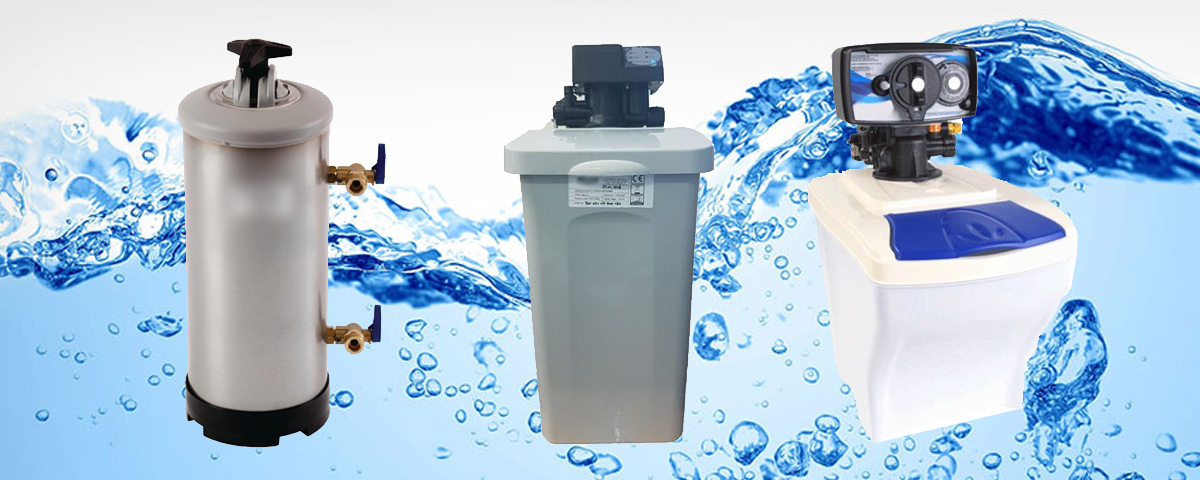 Commercial Dishwasher Water Softener Commercial Dishwasher Premium
A Little Maintenance Goes a Long Way
Once installed, your softener is mostly low-maintenance, but there’s a catch: resin beads degrade over time. Every few years, you’ll need to replace the resin or check for iron fouling if your water has a rusty tint. It’s like changing the oil in a car—boring, but essential.
Pro tip: Keep a spare gallon of commercial descaler on hand. Even with a softener, some hard water particles can sneak through. A monthly clean-in-place cycle keeps your dishwasher’s internal pipes as clean as that first day on the job.
Fun little fact: The first commercial water softener was patented in 1903 by a chemist named Charles H. Diehl. He probably never imagined his invention would save a thousand wine glasses from foggy doom every single night.
The Hidden Cost of Hard Water
We talk a lot about detergent savings, but heating hard water is a quiet energy vampire. The minerals make water less efficient at transferring heat, so your dishwasher runs longer cycles. Soft water heats up faster, cutting your energy bills by up to 15%—a fact your accountant will love.
And let’s talk about your staff. A machine with hard water scales up the heating elements and spray arms like a coral reef forming underwater. That means breakdowns mid-shift, angry cooks, and a repair bill that could fund a small vacation. A softener is basically an insurance policy against rage.
Remember that cultural touchstone from The Bear? Richie screams at the dishwashers for using too much soap. Hard water makes people overcompensate with chemicals—a softener dials that back to a zen-like calm.
Connecting to Daily Life
At the end of the day, a water softener is about small, invisible victories. You won’t throw a party for your resin beads, but you’ll notice when every glass reflects light like a diamond and your machine hums through a triple service with zero complaints.
Life in a busy restaurant is already chaotic—burned hands, dropped orders, and that one customer who sends back a steak because it’s “too medium.” Your dishwasher shouldn’t be another headache. Give it soft water, and let it do its quiet, essential job.
So next time you pour a glass of sparkling water at home, think of that mineral swap happening behind the scenes. A little softening makes everything—from your morning coffee cup to your dinner plates—feel a bit more polished. And isn’t that what hospitality is all about?
